

As a provider of Ultrasonic Optics Parts Cleaners, ensuring the long - term stability of cleaning performance is not only a technical challenge but also a commitment to our customers. In this blog, I will share some key strategies and insights on how to maintain the consistent and high - quality cleaning performance of our Ultrasonic Optics Parts Cleaners over time.
Understanding the Working Principle of Ultrasonic Optics Parts Cleaners
Before delving into the methods of ensuring stability, it's essential to understand how an Ultrasonic Optics Parts Cleaner works. Ultrasonic cleaning relies on the phenomenon of cavitation. When high - frequency sound waves are transmitted through a cleaning solution, millions of tiny bubbles are formed and then collapse rapidly. This violent collapse generates intense shockwaves that can dislodge dirt, grease, and other contaminants from the surface of optical parts.
Regular Maintenance of the Cleaning Tank
The cleaning tank is the core component of an ultrasonic cleaner. Over time, contaminants can accumulate at the bottom of the tank, which may affect the propagation of ultrasonic waves and reduce cleaning efficiency. Therefore, regular cleaning of the tank is crucial.
- Empty and Rinse: After each use, empty the cleaning solution from the tank. Then, rinse the tank thoroughly with clean water to remove any remaining debris.
- Deep Cleaning: Periodically, perform a deep cleaning of the tank. Use a mild detergent and a soft brush to scrub the interior of the tank. Make sure to rinse it thoroughly to remove all traces of the detergent.
Monitoring and Maintaining the Cleaning Solution
The cleaning solution plays a vital role in the cleaning process. Its chemical properties and concentration can significantly impact the cleaning performance.
- Solution Concentration: Check the concentration of the cleaning solution regularly. Over time, the solution may become diluted due to evaporation or the addition of water during the cleaning process. Use a solution concentration meter to ensure that the concentration remains within the recommended range.
- Solution Replacement: Replace the cleaning solution at regular intervals. As the solution is used, it becomes saturated with contaminants, which can reduce its cleaning effectiveness. The frequency of solution replacement depends on the usage intensity and the type of contaminants being removed.
Inspection and Maintenance of Ultrasonic Transducers
Ultrasonic transducers are responsible for generating the high - frequency sound waves that create cavitation. Any damage or malfunction of the transducers can lead to a significant decrease in cleaning performance.
- Visual Inspection: Regularly inspect the transducers for any signs of physical damage, such as cracks or corrosion. If any damage is detected, replace the transducers immediately.
- Electrical Testing: Use an appropriate electrical testing device to check the performance of the transducers. Measure the electrical impedance and power output of the transducers to ensure that they are operating within the normal range.
Temperature Control
The temperature of the cleaning solution can affect the cavitation process. Generally, a moderate temperature can enhance the cleaning performance, but excessive heat can cause damage to the optical parts and reduce the lifespan of the cleaning solution.
- Temperature Monitoring: Install a temperature sensor in the cleaning tank to monitor the temperature of the solution. Make sure to set the temperature within the recommended range for the specific type of optical parts and cleaning solution being used.
- Cooling System: If necessary, install a cooling system to maintain the temperature of the cleaning solution within the optimal range. This is especially important for high - intensity cleaning operations.
Quality of the Power Supply
A stable power supply is essential for the proper functioning of an ultrasonic cleaner. Fluctuations in voltage or current can cause inconsistent ultrasonic wave generation, resulting in uneven cleaning performance.

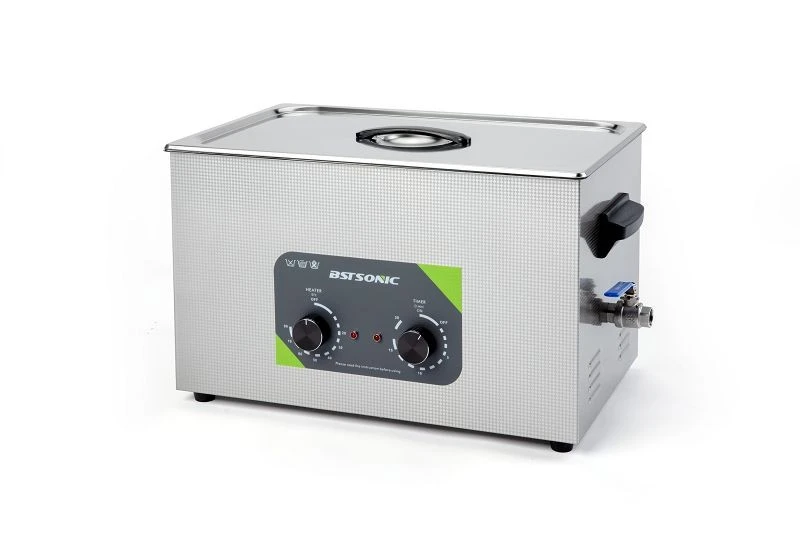
- Use a Stable Power Source: Connect the ultrasonic cleaner to a stable power source. Avoid using power outlets that are shared with other high - power electrical devices, as this may cause voltage drops.
- Power Surge Protection: Install a power surge protector to protect the ultrasonic cleaner from sudden voltage spikes. This can prevent damage to the electrical components of the cleaner and ensure its long - term stability.
Staff Training
Proper operation and maintenance of the ultrasonic cleaner are directly related to the knowledge and skills of the staff. Therefore, providing comprehensive training to the operators is crucial.
- Operation Training: Train the operators on how to correctly operate the ultrasonic cleaner, including setting the appropriate cleaning parameters such as time, temperature, and power.
- Maintenance Training: Provide training on the regular maintenance procedures of the ultrasonic cleaner, such as tank cleaning, solution replacement, and transducer inspection.
Comparison with Similar Products
Our Ultrasonic Optics Parts Cleaner has several advantages over other similar products in the market. For example, compared with the Harmonica Ultrasonic Cleaner, our cleaner is specifically designed for optical parts, with a more precise control of ultrasonic frequency and power to ensure gentle yet effective cleaning of delicate optical components.
In contrast to the Ultrasonic CAPA Cleaner, which is mainly used for cleaning CPAP equipment, our Ultrasonic Optics Parts Cleaner has a different cleaning mechanism and solution requirements to meet the unique needs of optical parts cleaning.
Conclusion
Ensuring the long - term stability of the cleaning performance of an Ultrasonic Optics Parts Cleaner requires a comprehensive approach that includes regular maintenance, proper monitoring, and staff training. By following the strategies outlined in this blog, we can not only extend the lifespan of the cleaner but also provide our customers with consistent and high - quality cleaning results.
If you are interested in our Ultrasonic Optics Parts Cleaner or have any questions about its performance and maintenance, please feel free to contact us for further discussion and procurement negotiation. We are committed to providing you with the best cleaning solutions for your optical parts.
References
- "Ultrasonic Cleaning Handbook" by John Doe
- "Principles of Ultrasonic Technology" by Jane Smith