

Hey there! As a supplier of industrial ultrasonic cleaners, I often get asked about the noise level of these machines. It's a valid concern, especially when you're looking to use them in a busy workshop or a shared workspace. In this blog post, I'll break down what you need to know about the noise levels of industrial ultrasonic cleaners.
How Do Industrial Ultrasonic Cleaners Work?
Before we dive into the noise levels, let's quickly go over how these cleaners work. Industrial ultrasonic cleaners use high - frequency sound waves to create tiny bubbles in a cleaning solution. These bubbles then collapse, generating a powerful scrubbing action that can remove dirt, grease, and other contaminants from various parts and materials.
The sound waves are typically in the ultrasonic range, which means they're above the human hearing threshold. However, the process of bubble formation and collapse, along with the operation of the cleaner's pump and other components, can still produce audible noise.
Factors Affecting the Noise Level
There are several factors that can influence how loud an industrial ultrasonic cleaner is.
1. Power Output
The power of the ultrasonic cleaner plays a big role. Generally, higher - power cleaners are louder. A more powerful cleaner can generate more intense ultrasonic waves, which in turn create more bubbles and a more vigorous cleaning action. This increased activity often results in more noise. For example, a large - scale industrial cleaner with a high - wattage ultrasonic generator will likely be noisier than a smaller, lower - power unit.
2. Tank Size
The size of the cleaning tank matters too. Larger tanks usually require more power to operate effectively. Additionally, the resonance within a larger tank can amplify the noise. A Single - Tank Ultrasonic Cleaner with a big tank might be louder compared to a smaller single - tank model.
3. Construction and Design
The build quality and design of the cleaner can impact noise levels. A well - built cleaner with good insulation and vibration - dampening features will be quieter. Some manufacturers use special materials and construction techniques to reduce noise. For instance, a Professional Ultrasonic Cleaner that's designed for a professional environment may have better noise - reduction features.
4. Cleaning Solution
The type and level of the cleaning solution can also affect noise. If the solution is too thick or has a high concentration of contaminants, it can make the cleaner work harder and produce more noise. On the other hand, if the solution level is too low, it can cause the ultrasonic waves to behave differently and potentially increase noise.
Typical Noise Levels
The noise level of industrial ultrasonic cleaners can vary widely. On average, you can expect a noise level ranging from about 50 to 80 decibels (dB).
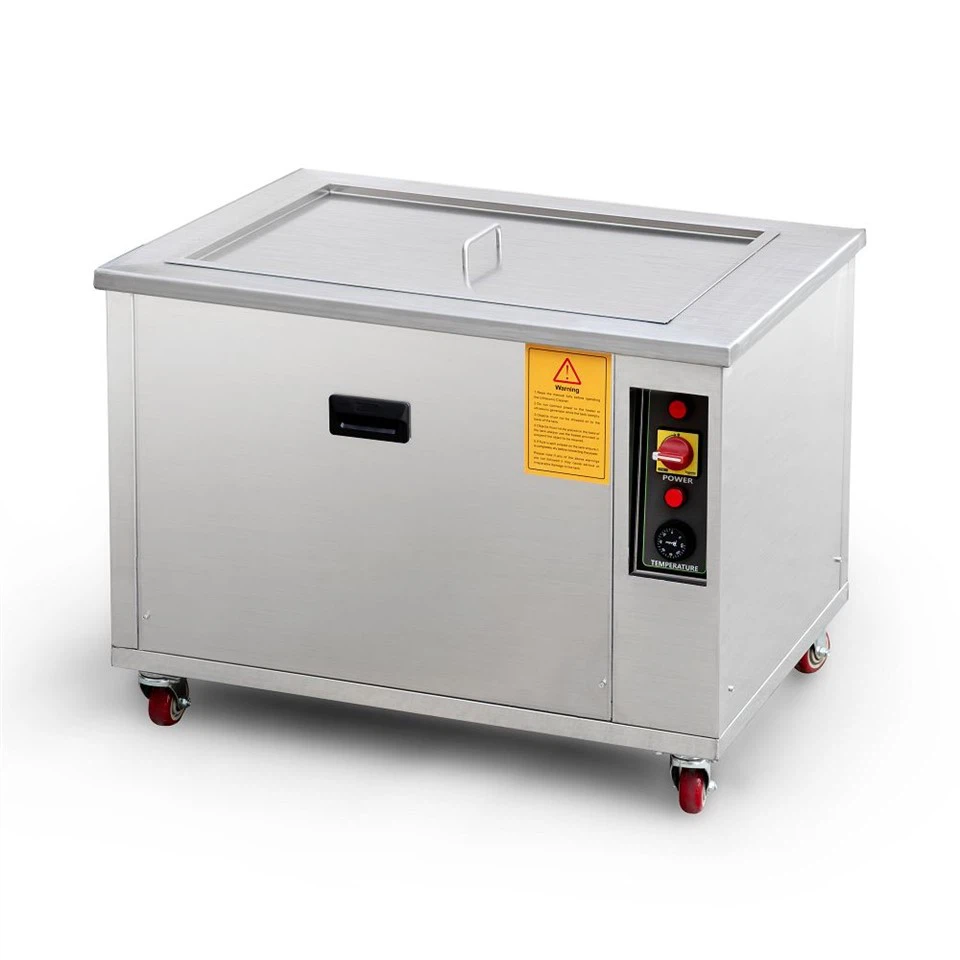

A quieter cleaner, like a small - sized unit used for delicate parts cleaning, might operate at around 50 - 60 dB. This is similar to the sound level of a normal conversation in a quiet room.
Medium - sized industrial cleaners usually fall in the 60 - 70 dB range. This is comparable to the noise level in a busy office.
Larger, high - power cleaners can reach up to 80 dB or even slightly higher. This is about as loud as a vacuum cleaner.
Measuring the Noise Level
If you're concerned about the noise level of an industrial ultrasonic cleaner, you can measure it using a sound level meter. These meters are relatively inexpensive and easy to use.
When measuring, place the sound level meter at a distance of about 1 meter from the cleaner. Make sure the cleaner is operating under normal conditions, with the cleaning solution and parts inside. Take multiple readings at different points around the cleaner to get an accurate average.
Reducing the Noise
If the noise of an industrial ultrasonic cleaner is a problem for you, there are a few things you can do.
1. Placement
Put the cleaner in a well - insulated area. A room with thick walls and good sound - absorbing materials can help reduce the noise that spreads to other areas. You can also place the cleaner on a vibration - dampening mat to minimize the noise caused by vibrations.
2. Enclosures
Using an enclosure around the cleaner can significantly reduce the noise. There are specially designed enclosures available that are made of sound - absorbing materials. These enclosures can block a large portion of the noise from escaping.
3. Maintenance
Regular maintenance is important. Make sure the cleaner's pump, ultrasonic generator, and other components are in good working condition. A well - maintained cleaner is likely to operate more quietly. Check for loose parts, clean the filters, and replace any worn - out components as needed.
Comparing Different Types of Cleaners
Let's take a look at how different types of industrial ultrasonic cleaners compare in terms of noise level.
Single - Tank Ultrasonic Cleaners
Single - Tank Ultrasonic Cleaners are often used for smaller - scale cleaning tasks. They generally have a lower power output compared to larger multi - tank cleaners. As a result, they tend to be quieter. However, if you choose a single - tank cleaner with a large tank and high power, it can still be relatively noisy.
Dual - Tank Ultrasonic Cleaners
Dual - Tank Ultrasonic Cleaners are more powerful and are designed for more complex cleaning jobs. They usually have two separate cleaning tanks, which means more components and potentially more noise. But again, the noise level can vary depending on the size, power, and design of the cleaner.
Professional Ultrasonic Cleaners
Professional Ultrasonic Cleaners are built to meet the high - standards of professional environments. Many of these cleaners are designed with noise - reduction features in mind. They may have better insulation, more advanced vibration - dampening systems, and high - quality components that operate more quietly.
Conclusion
The noise level of industrial ultrasonic cleaners can vary depending on several factors, including power output, tank size, construction, and cleaning solution. While some noise is inevitable, there are ways to measure and reduce it.
If you're in the market for an industrial ultrasonic cleaner and noise is a concern, consider your specific needs. You might want to choose a cleaner with a lower power output or better noise - reduction features. And don't forget to check the noise level specifications provided by the manufacturer.
If you're interested in purchasing an industrial ultrasonic cleaner, we're here to help. Whether you need a Single - Tank Ultrasonic Cleaner, a Professional Ultrasonic Cleaner, or a Dual - Tank Ultrasonic Cleaner, we can offer you high - quality products with various noise - reduction options. Contact us to discuss your requirements and start the procurement process.
References
- "Ultrasonic Cleaning Technology" - A technical guide on ultrasonic cleaning principles and equipment.
- "Sound Measurement and Control" - A handbook on measuring and reducing noise levels in industrial settings.