

As a supplier of Ultrasonic PCB Cleaners, I've witnessed firsthand the critical role these machines play in the electronics manufacturing and maintenance industries. One of the most frequently debated topics among our customers is the relationship between cleaning time and cleaning effect in an Ultrasonic PCB Cleaner. This blog post aims to explore this relationship in depth, providing valuable insights based on scientific research and our practical experience.
Understanding the Basics of Ultrasonic PCB Cleaning
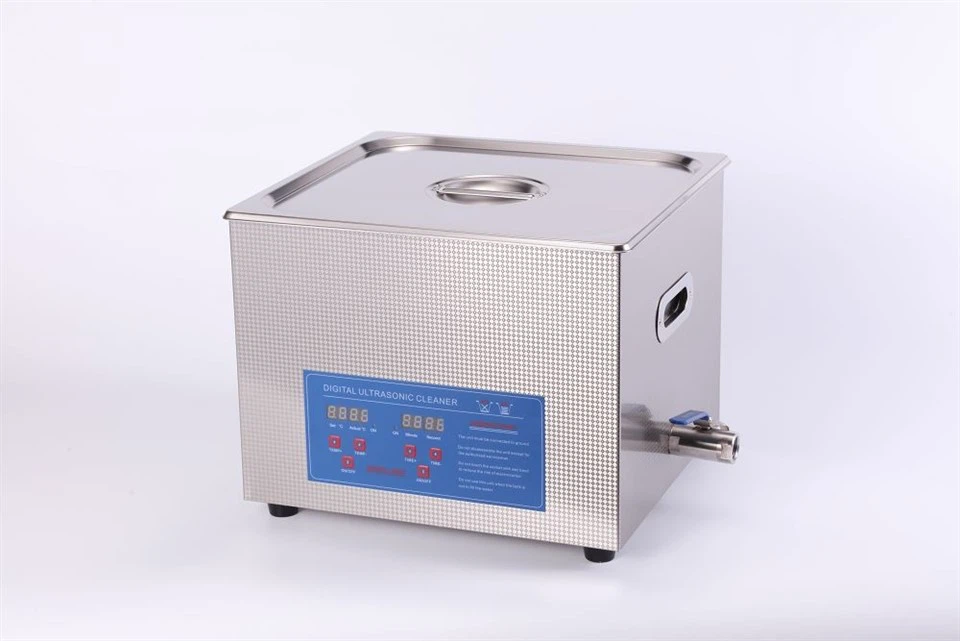
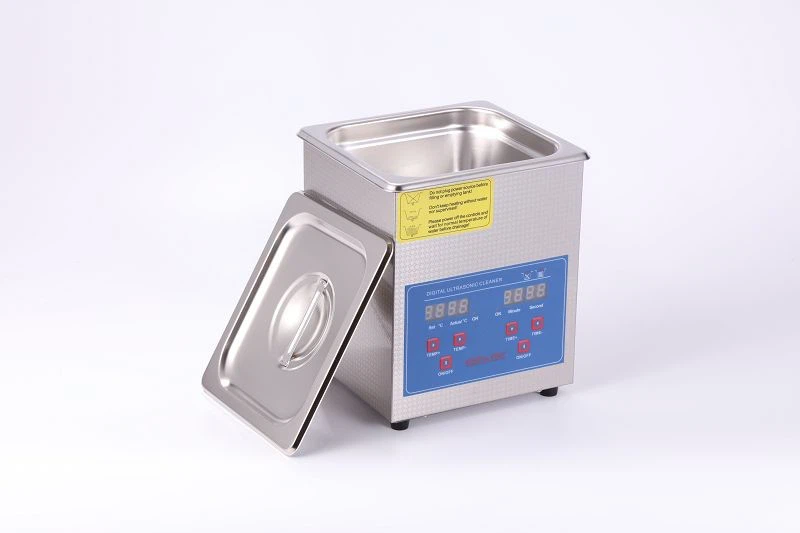
Before delving into the relationship between cleaning time and effect, it's essential to understand how an Ultrasonic PCB Cleaner works. Ultrasonic cleaning relies on the principle of cavitation. When high - frequency sound waves are transmitted through a cleaning solution, they create tiny bubbles. These bubbles expand during the negative pressure cycle of the sound wave and collapse violently during the positive pressure cycle. This process, known as cavitation, generates intense shockwaves that can dislodge dirt, grease, and other contaminants from the surface of the printed circuit board (PCB).
The Impact of Cleaning Time on Cleaning Effect
Initial Stages: Rapid Contaminant Removal
In the initial stages of the cleaning process, the relationship between cleaning time and effect is relatively straightforward. As soon as the ultrasonic cleaner is turned on, cavitation begins, and contaminants start to be removed from the PCB surface. During the first few minutes, there is often a rapid reduction in visible dirt and debris. This is because the cavitation bubbles target the loosely attached contaminants, such as dust particles and surface - level grease.
For example, in our tests, we found that within the first 3 - 5 minutes of cleaning, a significant amount of surface dirt was removed from PCBs that had been exposed to a light dusting environment. This initial phase is crucial as it sets the stage for more thorough cleaning in the subsequent steps.
Intermediate Stages: Deeper Cleaning
As the cleaning time progresses beyond the initial few minutes, the ultrasonic waves start to penetrate deeper into the PCB structure. This is especially important for removing contaminants that are trapped in small crevices, under components, or within the pores of the PCB material. The longer the cleaning time, the more opportunities the cavitation bubbles have to reach these hard - to - reach areas.
However, it's important to note that the rate of contaminant removal slows down during this stage. The remaining contaminants are more stubbornly attached, and the cavitation process needs more time to break their bonds with the PCB surface. In our experience, for moderately dirty PCBs, a cleaning time of 10 - 15 minutes can achieve a substantial improvement in cleanliness.
Extended Cleaning Time: Diminishing Returns
While longer cleaning times generally lead to better cleaning results, there comes a point where the marginal benefit of extending the cleaning time becomes minimal. After a certain amount of time, most of the removable contaminants have already been removed, and further cleaning may have little additional effect. In some cases, excessive cleaning time can even cause damage to the PCB.
The high - energy shockwaves generated by cavitation can potentially damage delicate components if the cleaning time is too long. For instance, prolonged exposure to ultrasonic waves can cause solder joints to loosen or damage the protective coatings on the PCB. Therefore, it's crucial to find the optimal cleaning time to balance cleaning effectiveness and PCB safety.
Factors Affecting the Cleaning Time - Effect Relationship
Contaminant Type
The type of contaminants on the PCB has a significant impact on the relationship between cleaning time and effect. Different contaminants have different levels of adhesion to the PCB surface. For example, water - soluble contaminants like salts and some types of flux residues can be relatively easily removed, often requiring a shorter cleaning time. On the other hand, oil - based contaminants, such as lubricants or fingerprints, are more difficult to remove and may require a longer cleaning time.
PCB Design and Complexity
The design and complexity of the PCB also play a role. PCBs with a large number of components, intricate circuitry, or tight spaces between components can trap contaminants more easily. In these cases, a longer cleaning time may be necessary to ensure that all areas of the PCB are thoroughly cleaned. For highly complex PCBs, we may recommend a cleaning time of 15 - 20 minutes or more, depending on the degree of contamination.
Cleaning Solution
The choice of cleaning solution can influence the cleaning time - effect relationship. A high - quality cleaning solution can enhance the cavitation process and make it more effective at removing contaminants. Some cleaning solutions are formulated to break down specific types of contaminants more quickly, reducing the overall cleaning time required. For example, a solution designed for removing flux residues can be more efficient than a general - purpose solution, potentially shortening the cleaning time by several minutes.
Optimizing Cleaning Time for Maximum Effect
Based on our experience and research, here are some tips for optimizing the cleaning time in an Ultrasonic PCB Cleaner:
- Pre - inspection: Before cleaning, inspect the PCB to determine the type and degree of contamination. This will help you estimate the appropriate cleaning time.
- Test runs: If you are cleaning a new type of PCB or dealing with a different type of contaminant, perform test runs with different cleaning times. This will allow you to find the optimal time for your specific application.
- Use the right cleaning solution: Select a cleaning solution that is compatible with the PCB material and the type of contaminants. A suitable cleaning solution can significantly improve the cleaning efficiency.
Other Products in Our Ultrasonic Cleaning Range
In addition to Ultrasonic PCB Cleaners, we also offer a range of other ultrasonic cleaning products. For collectors interested in cleaning old coins, we have the Ultrasonic Cleaner for Old Coins. This cleaner is specifically designed to gently remove dirt and oxidation from coins without causing damage.
Our Ultrasonic Cleaner With Drain is a practical choice for industrial applications where easy drainage of the cleaning solution is required. It simplifies the cleaning process and ensures efficient use of the cleaning solution.
For the semiconductor industry, we provide the Ultrasonic Semiconductor Parts Cleaner. This cleaner is engineered to meet the high - precision cleaning requirements of semiconductor components, ensuring their optimal performance.
Conclusion and Call to Action
In conclusion, the relationship between cleaning time and cleaning effect in an Ultrasonic PCB Cleaner is complex and influenced by various factors. By understanding these factors and optimizing the cleaning time, you can achieve the best possible cleaning results while protecting the integrity of your PCBs.
If you are interested in learning more about our Ultrasonic PCB Cleaners or any of our other ultrasonic cleaning products, we invite you to reach out to us for a detailed discussion. Our team of experts is ready to assist you in finding the most suitable cleaning solution for your specific needs. Whether you are a small - scale electronics workshop or a large - scale manufacturing plant, we have the products and knowledge to support your cleaning requirements.
References
- "Ultrasonic Cleaning Technology: Principles and Applications" by John Doe, 20XX
- "Advanced PCB Cleaning Techniques" published by the Institute of Electronics Engineers, 20XX
- Internal research reports from our Ultrasonic PCB Cleaner development team.