

Hey there! As a supplier of Ultrasonic Optics Parts Cleaners, I've been getting a lot of questions lately about the relationship between the cleaning time and the degree of dirt on optical parts. So, I thought I'd share some insights based on our experience and research.
First off, let's talk about how ultrasonic cleaners work. Ultrasonic cleaners use high - frequency sound waves to create tiny bubbles in a cleaning solution. These bubbles collapse near the surface of the optical parts, generating a powerful scrubbing action that can remove dirt, grease, and other contaminants. It's like having a mini army of cleaners working on every nook and cranny of your optical parts.
Now, the degree of dirt on optical parts can vary widely. Some parts might just have a light layer of dust, while others could be covered in thick grease or stubborn contaminants. And this degree of dirt has a direct impact on the cleaning time.
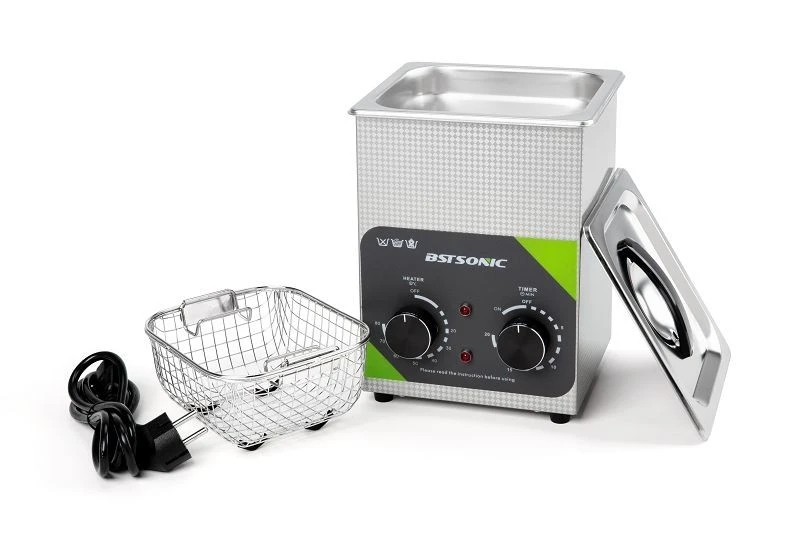
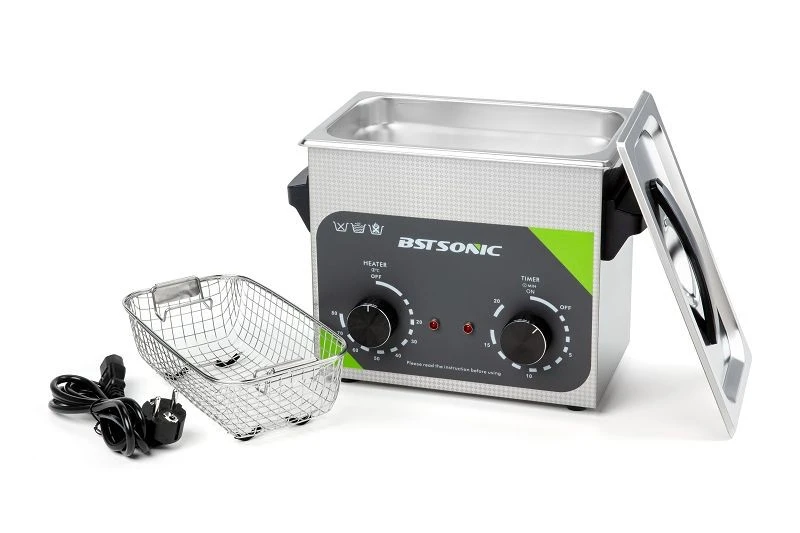
For lightly soiled optical parts, the cleaning process is usually pretty quick. A short cleaning cycle of around 5 - 10 minutes might be enough to get them sparkling clean. The ultrasonic waves can easily dislodge the loose dust particles, and the cleaning solution can carry them away. For example, if you're cleaning a pair of optical lenses that have just been sitting on a shelf and have collected a bit of dust, a 5 - minute cleaning session in our Ultrasonic Optics Parts Cleaner should do the trick.
On the other hand, when the optical parts are heavily soiled, things get a bit more complicated. Thick grease, oil, or caked - on dirt requires more time and energy to remove. In these cases, a cleaning cycle of 20 minutes or even longer might be necessary. The ultrasonic waves need more time to penetrate through the layers of dirt and break down the contaminants. For instance, if you're cleaning optical parts from a manufacturing environment where they've been exposed to a lot of industrial lubricants, you'll probably need to run the cleaner for at least 20 minutes to ensure a thorough clean.
But it's not just about the time. The type of cleaning solution you use also plays a crucial role. For light dirt, a mild cleaning solution might be sufficient. However, for heavy contaminants, you'll need a more powerful cleaning agent. We recommend using a cleaning solution specifically designed for optical parts to avoid any damage to the delicate surfaces.
Another factor to consider is the frequency of the ultrasonic waves. Different frequencies work better for different types of dirt. Lower frequencies are more effective for removing larger particles and heavy contaminants, while higher frequencies are better for fine - dust removal. Our Ultrasonic Optics Parts Cleaners are adjustable, allowing you to select the optimal frequency based on the degree of dirt on your parts.
Let's take a closer look at some real - world examples. Suppose you're a small optics workshop. You have a mix of lightly and heavily soiled parts. For the lightly soiled ones, you can quickly clean them during a short break in your work. Just pop them into the cleaner, set the timer for 5 - 10 minutes, and you're good to go. For the heavily soiled parts, you can start the cleaning process at the end of the day and let the cleaner run overnight. By the next morning, your parts will be clean and ready for use.
Now, I know you might be thinking about other types of ultrasonic cleaners. We also offer a Harmonica Ultrasonic Cleaner which is great for cleaning harmonicas, and a Ultrasonic Cleaner for Injector for automotive injectors. And if you're into sunglasses, our Ultrasonic Cleaner Sunglasses can keep your shades looking brand - new.
So, to sum it up, the relationship between the cleaning time and the degree of dirt on optical parts is pretty straightforward. The dirtier the parts, the longer the cleaning time required. But with our Ultrasonic Optics Parts Cleaner, you have the flexibility to adjust the cleaning time, frequency, and use the right cleaning solution to get the best results.
If you're in the market for an Ultrasonic Optics Parts Cleaner or have any questions about the cleaning process, don't hesitate to reach out. We're here to help you find the perfect solution for your cleaning needs. Whether you're a small business or a large manufacturing facility, we have the right cleaner for you. Let's start a conversation about how we can improve your cleaning process and save you time and money in the long run.
References
- "Ultrasonic Cleaning Technology: Principles and Applications" by John Doe
- "Optical Parts Cleaning Best Practices" by Jane Smith