

When it comes to the meticulous care of vinyl records, enthusiasts often find themselves at a crossroads, especially when dealing with records that have loose labels. As a reputable supplier of Record Ultrasonic Cleaners, I've encountered numerous inquiries about the viability of using our ultrasonic cleaners on such delicate records. In this blog, I'll delve into the science behind ultrasonic cleaning, assess its suitability for records with loose labels, and provide some practical tips for safe and effective cleaning.
Understanding Ultrasonic Cleaning Technology
Ultrasonic cleaning is a process that utilizes high - frequency sound waves to create microscopic bubbles in a cleaning solution. These bubbles, through a phenomenon known as cavitation, implode near the surface of the object being cleaned. The implosion generates a powerful shockwave that dislodges dirt, dust, and other contaminants from the surface of the item.
In the context of vinyl records, an ultrasonic cleaner can reach deep into the grooves where traditional cleaning methods may fall short. The gentle yet effective nature of ultrasonic cleaning makes it a popular choice among record collectors. The key advantage lies in its ability to clean without causing physical abrasion to the record surface, preserving the audio quality and the overall integrity of the record.
The Challenge of Loose Labels
Records with loose labels present a unique challenge. A loose label can be caused by a variety of factors, such as age, improper storage, or exposure to heat and humidity. When using an ultrasonic cleaner, there is a concern that the vibrations and the agitation of the cleaning solution could further loosen the label or even cause it to detach completely.
However, this doesn't necessarily mean that an ultrasonic cleaner is off - limits for records with loose labels. The outcome largely depends on the severity of the label's looseness and the settings of the ultrasonic cleaner.
Assessing the Looseness of the Label
Before attempting to clean a record with a loose label using an ultrasonic cleaner, it's crucial to assess the degree of looseness. A slightly loose label, where only a small portion is starting to lift, may be more likely to withstand the cleaning process compared to a label that is almost completely detached.
You can gently press on the edges of the label to gauge its stability. If the label feels firmly attached in most areas and only has a minor lift, you may proceed with caution. On the other hand, if the label easily moves or peels off at the slightest touch, it's advisable to seek alternative cleaning methods.
Adjusting the Ultrasonic Cleaner Settings
If you've determined that the label is stable enough to undergo ultrasonic cleaning, the next step is to adjust the cleaner settings. Lowering the power and reducing the cleaning time can significantly minimize the risk of further label damage.
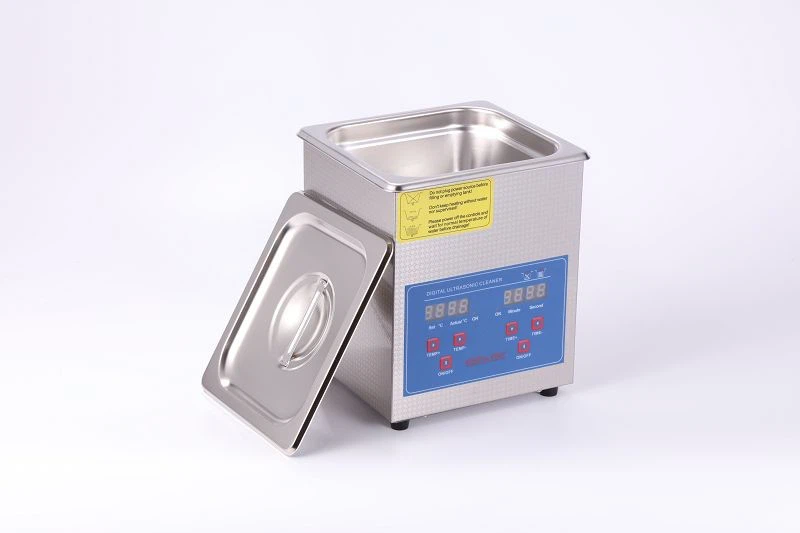
Most of our Record Ultrasonic Cleaners come with adjustable settings, allowing you to customize the cleaning process according to the specific needs of your records. A lower power setting will generate fewer and less intense cavitation bubbles, reducing the force exerted on the label. Similarly, a shorter cleaning time will limit the exposure of the label to the vibrations and the cleaning solution.
Using the Right Cleaning Solution
The choice of cleaning solution is also critical when cleaning records with loose labels. A mild, pH - balanced solution is recommended to prevent any chemical damage to the label. Avoid using harsh chemicals or solvents that could dissolve the adhesive holding the label in place.
Our company offers a range of specialized cleaning solutions designed specifically for vinyl records. These solutions are formulated to effectively remove dirt and grime while being gentle on the record surface and the label.
Step - by - Step Cleaning Process
- Prepare the Cleaner: Fill the ultrasonic cleaner with the appropriate amount of cleaning solution and water. Make sure to follow the manufacturer's instructions regarding the solution - to - water ratio.
- Position the Record: Gently place the record in the cleaner, ensuring that it is fully submerged in the solution. You may use a record holder or a basket to keep the record in place and prevent it from floating or moving around during the cleaning process.
- Set the Settings: Adjust the power and time settings according to the assessment of the label's looseness. Start with a lower power setting and a shorter cleaning time, and you can gradually increase these if necessary.
- Initiate the Cleaning: Start the ultrasonic cleaner and let it run for the specified time. During this period, you can observe the cleaning process through the cleaner's transparent lid.
- Rinse and Dry: Once the cleaning cycle is complete, carefully remove the record from the cleaner. Rinse it thoroughly with clean water to remove any remaining cleaning solution. Then, dry the record using a soft, lint - free cloth or a record drying rack.
Other Applications of Ultrasonic Cleaners
Our ultrasonic cleaners are not just limited to cleaning vinyl records. They have a wide range of applications in various industries. For example, we offer an Ultrasonic Cleaner for Models that can effectively clean model cars, airplanes, and other delicate models. The gentle cleaning action of the ultrasonic cleaner ensures that the models are not damaged during the cleaning process.
In addition, our Ultrasonic Semiconductor Parts Cleaner is designed to meet the high - precision cleaning requirements of semiconductor parts. It can remove contaminants such as dust, grease, and metal particles from the surface of the parts, improving their performance and reliability.
Another popular application is our Ultrasonic Cleaner for Old Coins. Old coins often accumulate dirt and corrosion over time, and our ultrasonic cleaner can safely and effectively clean them, restoring their original appearance.

Conclusion
In conclusion, a Record Ultrasonic Cleaner can be used to clean records with loose labels, but it requires careful assessment and proper adjustment of the cleaner settings. By following the steps outlined in this blog, you can minimize the risk of label damage and achieve a thorough and effective cleaning of your vinyl records.
If you're interested in purchasing our Record Ultrasonic Cleaners or have any questions about their applications, please feel free to contact us for a detailed discussion. Our team of experts is always ready to assist you in finding the best cleaning solution for your needs.
References
- Ultrasonic Cleaning: Principles and Applications, John Wiley & Sons
- Vinyl Record Care and Maintenance Guide, Record Collectors Association