

Hey there! As a supplier of Ultrasonic Cleaner Electronic Circuits, I'm stoked to share with you how these nifty circuits work, especially when they've got that awesome temperature control function.
Let's start with the basics of an ultrasonic cleaner. Ultrasonic cleaners use high - frequency sound waves to create tiny bubbles in a cleaning solution. These bubbles collapse, generating a scrubbing action that can clean all sorts of stuff, from Harmonica Ultrasonic Cleaner to Ultrasonic Cleaner for Fishing Reels. The electronic circuit is the heart of this operation, and when temperature control comes into play, it takes the cleaning game to a whole new level.
The Core of the Ultrasonic Cleaner Electronic Circuit
At the center of the ultrasonic cleaner circuit is an oscillator. This oscillator is responsible for generating the high - frequency electrical signals that will ultimately be converted into ultrasonic waves. It's like the drummer in a band, setting the rhythm for the whole process. The frequency typically ranges from 20 kHz to 100 kHz, depending on the application.
The oscillator usually consists of a combination of transistors, capacitors, and resistors. These components work together to create a stable electrical signal. Transistors act as switches, controlling the flow of current, while capacitors store and release electrical energy, and resistors limit the current.
Once the oscillator generates the high - frequency signal, it needs to be amplified. That's where the amplifier stage comes in. The amplifier takes the weak signal from the oscillator and boosts it to a level that can drive the ultrasonic transducer. The transducer is a key component that converts the electrical signal into ultrasonic waves. It's usually made of a piezoelectric material, which vibrates when an electrical current is applied to it.
Temperature Control in the Circuit
Now, let's talk about the temperature control function. Why is temperature control important in an ultrasonic cleaner? Well, different cleaning tasks require different temperatures. For example, some stubborn stains might need a higher temperature to break down, while delicate items could be damaged by high heat.
The temperature control circuit in an ultrasonic cleaner typically includes a temperature sensor, a controller, and a heating element. The temperature sensor, often a thermistor, measures the temperature of the cleaning solution. A thermistor is a type of resistor whose resistance changes with temperature. As the temperature of the solution changes, the resistance of the thermistor changes, and this change is detected by the controller.
The controller is like the brain of the temperature control system. It compares the measured temperature with the set temperature. If the measured temperature is lower than the set temperature, the controller sends a signal to the heating element to turn on. The heating element, which could be a simple resistive heater, warms up the cleaning solution.
On the other hand, if the measured temperature is higher than the set temperature, the controller sends a signal to turn off the heating element. This way, the temperature of the cleaning solution is maintained at the desired level.
Integration of Temperature Control and Ultrasonic Function
The integration of the temperature control function with the ultrasonic cleaning function is crucial for optimal performance. The electronic circuit needs to ensure that the ultrasonic waves are generated effectively at the right temperature.
One way to achieve this is through a feedback mechanism. The controller not only controls the temperature but also monitors the performance of the ultrasonic cleaning. If the temperature is too high or too low, it can affect the cavitation process (the formation and collapse of bubbles). For example, at very high temperatures, the bubbles may collapse too quickly, reducing the cleaning efficiency.
The circuit also needs to ensure that the heating element doesn't interfere with the ultrasonic waves. Special shielding and isolation techniques are used to prevent electrical interference between the heating element and the ultrasonic transducer.
Benefits of Temperature - Controlled Ultrasonic Cleaners
There are several benefits to having a temperature - controlled ultrasonic cleaner. First of all, it improves the cleaning efficiency. As I mentioned earlier, different stains and contaminants require different temperatures to be removed effectively. By adjusting the temperature, you can target specific types of dirt and grime.
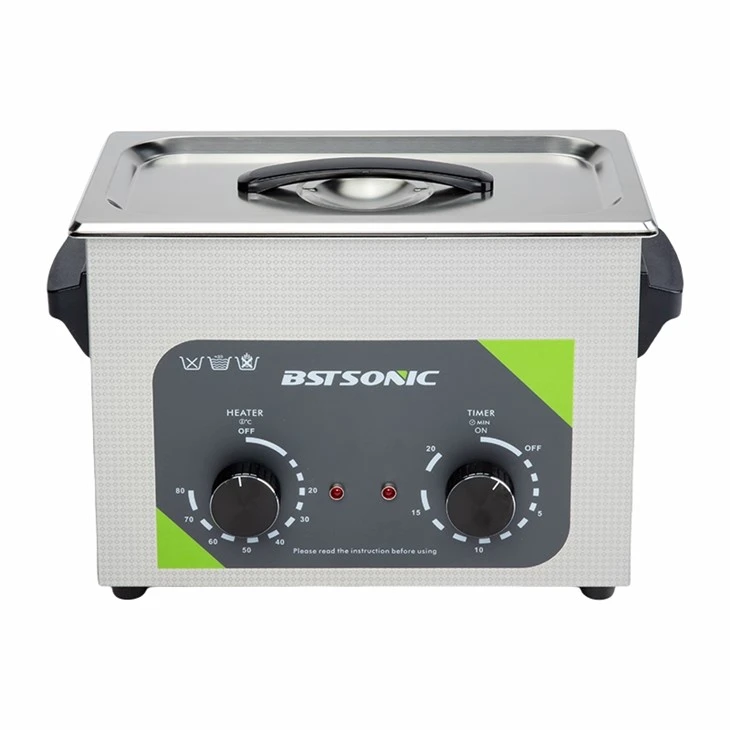

Secondly, it protects delicate items. Delicate items like jewelry or electronic components can be damaged by high temperatures. With temperature control, you can set a lower temperature to ensure that these items are cleaned without being damaged.
Finally, it saves energy. Instead of constantly heating the cleaning solution to a high temperature, the temperature control function allows you to maintain the optimal temperature, reducing energy consumption.
Our Ultrasonic Cleaner Electronic Circuits
As a supplier of Ultrasonic Cleaner Electronic Circuits, we've put a lot of effort into developing circuits that offer reliable temperature control. Our circuits are designed to be efficient, durable, and easy to integrate into different types of ultrasonic cleaners.
We use high - quality components in our circuits to ensure stable performance. The temperature control system is highly accurate, allowing for precise temperature adjustment. Whether you're building a small - scale Harmonica Ultrasonic Cleaner or a large - scale industrial ultrasonic cleaner for fishing reels, our circuits can meet your needs.
Contact Us for Procurement
If you're in the market for ultrasonic cleaner electronic circuits with temperature control functions, we'd love to hear from you. We can provide you with detailed product information, technical support, and competitive pricing. Whether you're a manufacturer looking to integrate our circuits into your products or a distributor looking for high - quality components, we're here to help. So, don't hesitate to reach out and start a conversation about your procurement needs.
References
- Smith, J. (2020). Ultrasonic Cleaning Technology. Springer.
- Johnson, A. (2019). Electronic Circuits for Industrial Applications. Wiley.