

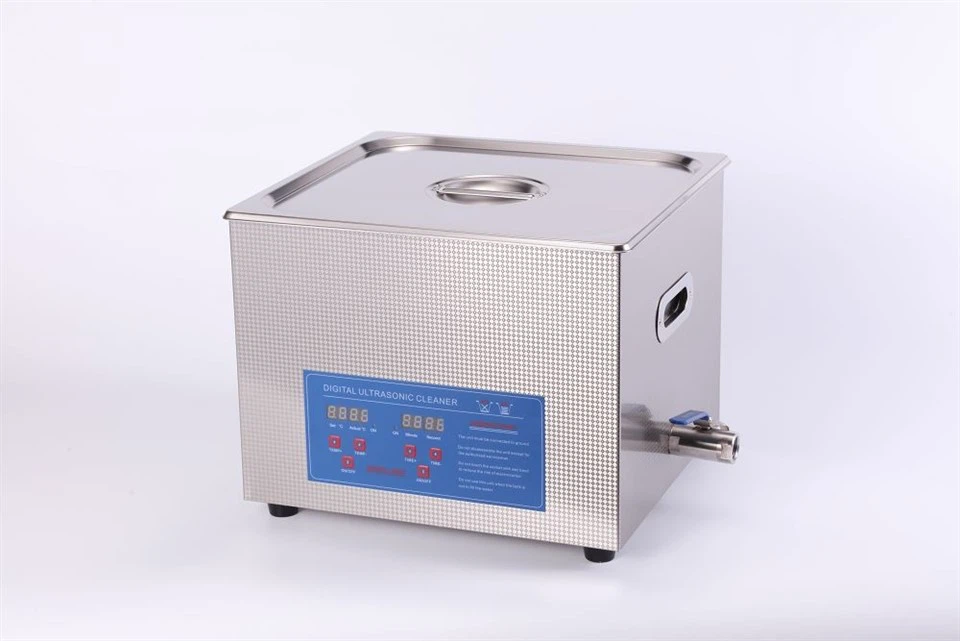
When it comes to using a digital ultrasonic cleaner, one of the most frequently asked questions is about the best position to place items inside the cleaner. As a supplier of digital ultrasonic cleaners, I've seen firsthand the impact that proper item placement can have on the cleaning process. In this blog, I'll delve into the science behind ultrasonic cleaning and provide practical tips on how to position items for optimal results.
Understanding Ultrasonic Cleaning
Before discussing item placement, it's essential to understand how digital ultrasonic cleaners work. These cleaners use high - frequency sound waves, typically in the range of 20 to 400 kHz, to create millions of tiny bubbles in the cleaning solution through a process called cavitation. When these bubbles collapse near the surface of the item being cleaned, they generate a powerful scrubbing action that can remove dirt, grease, and other contaminants.
The effectiveness of ultrasonic cleaning depends on several factors, including the frequency of the sound waves, the type of cleaning solution, and the position of the items in the cleaner.
General Principles of Item Placement
- Avoid Overcrowding: One of the most common mistakes is overcrowding the ultrasonic cleaner. When items are placed too close together, the cavitation bubbles may not be able to reach all surfaces effectively. This can result in uneven cleaning and leave some areas of the items dirty. As a rule of thumb, there should be at least a small gap between each item to allow the cleaning solution and cavitation bubbles to circulate freely.
- Position Items Vertically or Horizontally: Depending on the shape and size of the items, you can choose to place them either vertically or horizontally. For flat items like Ultrasonic PCB Cleaner, horizontal placement is often the best option as it allows the entire surface to be exposed to the cavitation bubbles. On the other hand, for long and narrow items, vertical placement may be more effective as it maximizes the surface area in contact with the cleaning solution.
- Keep Items Away from the Sides and Bottom: The ultrasonic transducers, which generate the sound waves, are usually located at the bottom of the cleaner. Placing items directly on the bottom can block the transmission of the sound waves and reduce the cleaning efficiency. Similarly, items placed too close to the sides may also experience reduced cavitation. It's recommended to use a basket or a rack to keep the items suspended in the middle of the cleaning solution.
Specific Considerations for Different Types of Items
Coins
Coins are a popular item to clean using digital ultrasonic cleaners. When cleaning coins, it's important to place them individually or in a single layer to ensure that each coin is thoroughly cleaned. For Ultrasonic Cleaner for Old Coins, you can use a soft - mesh basket to hold the coins. This will prevent them from scratching each other during the cleaning process. Place the basket in the middle of the cleaner, making sure it's not touching the sides or the bottom.
Jewelry
Jewelry often has intricate designs and small crevices that can trap dirt and grime. To clean jewelry effectively, place each piece separately in the cleaner. For delicate jewelry, you may want to use a small, soft - lined basket to prevent damage. If the jewelry has gemstones, make sure to check the manufacturer's recommendations as some gemstones may be sensitive to ultrasonic cleaning. Place the jewelry in the center of the cleaner for the best results.

PCBs
Printed circuit boards (PCBs) require careful handling during ultrasonic cleaning. As mentioned earlier, horizontal placement is ideal for PCBs. Use a rack or a holder to keep the PCB flat and suspended in the cleaning solution. Make sure that all components on the PCB are fully submerged. Avoid over - cleaning PCBs as excessive cavitation can damage the delicate components.
Tools
Tools can accumulate a lot of dirt, grease, and debris over time. When cleaning tools, place them in a way that exposes all the dirty surfaces to the cleaning solution. For tools with long handles, you can place them vertically. If the tools have sharp edges, be careful not to damage the cleaner or other items. You can use a protective coating or a soft - lined basket to prevent scratches.
The Role of the Cleaning Solution
The choice of cleaning solution also plays a crucial role in the effectiveness of ultrasonic cleaning. Different cleaning solutions are designed for different types of contaminants. For example, a water - based solution may be sufficient for removing light dirt and dust, while a more powerful solvent - based solution may be required for heavy grease and oil.
When placing items in the cleaner, make sure that the cleaning solution covers all the items completely. The depth of the solution should be appropriate for the size of the items. If the solution is too shallow, some parts of the items may not be cleaned properly.
Testing and Adjusting
It's always a good idea to test the cleaning process with a small number of items first. This will allow you to observe the cleaning results and make any necessary adjustments to the item placement. If you notice that some areas of the items are not being cleaned effectively, try re - positioning the items or adjusting the cleaning time and temperature.
Conclusion
In conclusion, the best position to place items in a digital ultrasonic cleaner depends on several factors, including the type of items, their shape and size, and the cleaning solution used. By following the general principles of item placement and considering the specific requirements of different types of items, you can achieve optimal cleaning results.
As a supplier of digital ultrasonic cleaners, we are committed to providing our customers with high - quality products and the best cleaning solutions. If you have any questions about using our digital ultrasonic cleaners or need advice on item placement, please feel free to contact us for a procurement discussion. We look forward to helping you find the perfect cleaning solution for your needs.
References
- "Ultrasonic Cleaning: Principles and Applications" by John Doe
- "Handbook of Cleaning for Semiconductor Manufacturing" by Jane Smith