

Hey there! As a supplier of Customized Ultrasonic Cleaners, I often get asked about the maintenance cost of these nifty machines. So, I thought I'd break it down for you in this blog post.
First off, let's understand what an ultrasonic cleaner is. Ultrasonic cleaners use high - frequency sound waves to create tiny bubbles in a cleaning solution. These bubbles collapse, creating a scrubbing action that can clean even the tiniest crevices of an object. Customized ultrasonic cleaners are designed to meet specific cleaning needs of different industries, like jewelry, automotive, and medical.
Factors Affecting Maintenance Cost
1. Tank and Material
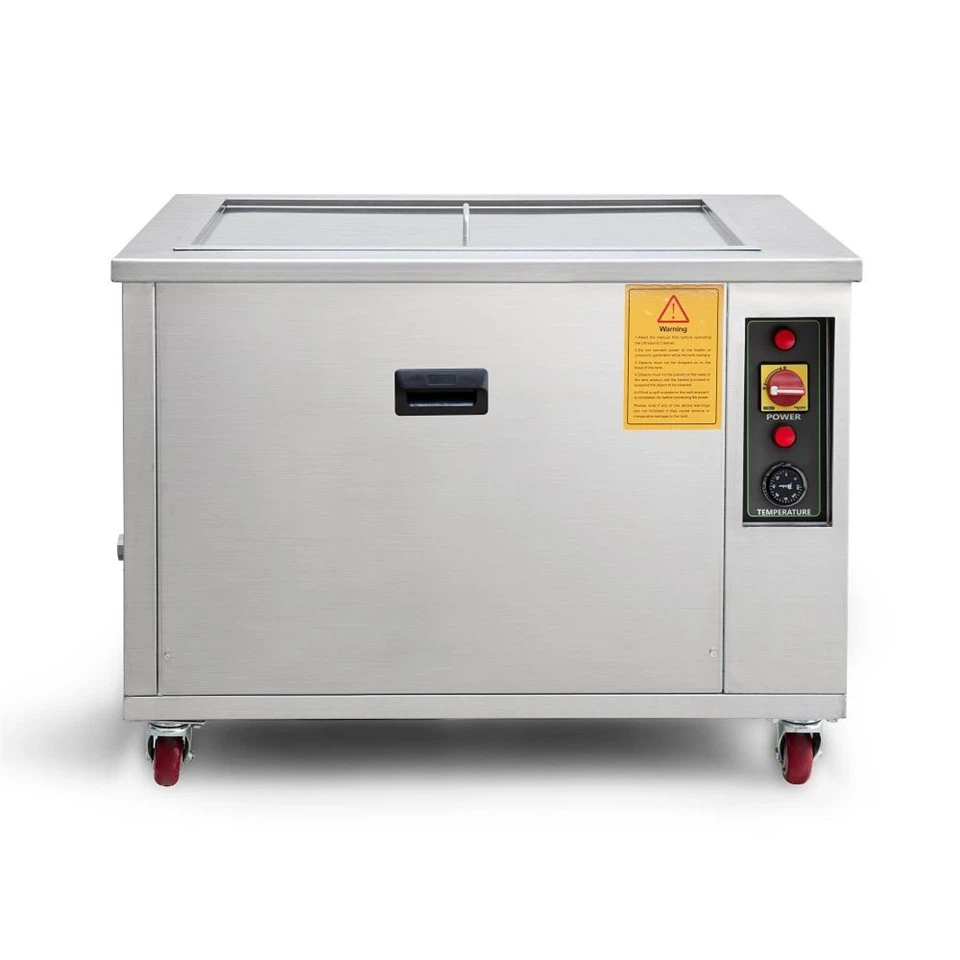
The type of tank in your ultrasonic cleaner plays a big role in maintenance cost. For example, if you have a Single - Tank Ultrasonic Cleaner, it's generally simpler and might cost less to maintain compared to a Dual - Tank Ultrasonic Cleaner. A dual - tank cleaner has more components and a more complex setup, which means more parts that could potentially need repair or replacement.
The material of the tank also matters. Stainless steel tanks are common because they're durable, but over time, they can get scratched or corroded, especially if the cleaning solution is harsh. If that happens, you might need to replace the tank or get it repaired, which can add to the maintenance cost.
2. Transducers
Transducers are the heart of an ultrasonic cleaner. They convert electrical energy into ultrasonic waves. These little guys can wear out over time, especially if they're used frequently. When a transducer fails, it needs to be replaced. The cost of a transducer can vary depending on the size and power of your cleaner. High - end customized cleaners might have more powerful transducers, which could be pricier to replace.

3. Cleaning Solution
The cleaning solution you use in your ultrasonic cleaner can impact maintenance costs. Some solutions are more aggressive and can cause more wear and tear on the tank and other components. You need to choose a cleaning solution that's appropriate for the items you're cleaning and the materials of your cleaner. Also, you'll need to replace the cleaning solution regularly. The frequency of replacement depends on how often you use the cleaner and the type of dirt and grime you're removing.
4. Frequency of Use
How often you use your ultrasonic cleaner is a major factor. If you're running it 24/7 in an industrial setting, the wear and tear will be much higher compared to using it occasionally at home. More frequent use means more strain on the components, which can lead to more frequent breakdowns and higher maintenance costs.
Breakdown of Maintenance Costs
Regular Maintenance
- Cleaning the Tank: You should clean the tank of your ultrasonic cleaner regularly to prevent the buildup of dirt and debris. This is a simple task that you can do yourself. All you need is a soft cloth and some mild detergent. The cost of the detergent is minimal, so this part of the maintenance is pretty cheap.
- Checking the Transducers: It's a good idea to check the transducers periodically for any signs of damage. You can do a visual inspection to look for cracks or other issues. If you notice any problems, you might need to call in a professional to test the transducers. The cost of a professional inspection can vary, but it's usually not too expensive.
Repairs and Replacements
- Transducer Replacement: As mentioned earlier, transducer replacement can be a significant cost. On average, a basic transducer might cost anywhere from $50 to $200, but high - end ones can cost much more.
- Tank Replacement: If the tank is severely damaged, you might need to replace it. The cost of a new tank depends on its size and material. A small stainless - steel tank could cost around $100, while a larger, customized tank could cost several hundred dollars.
Cost - Saving Tips
- Proper Use: Make sure you're using your ultrasonic cleaner correctly. Follow the manufacturer's instructions regarding the cleaning solution, load capacity, and operating time. Using it the right way can extend the lifespan of the components and reduce maintenance costs.
- Regular Inspections: Do your own regular inspections to catch any potential problems early. Catching a small issue before it becomes a big one can save you a lot of money in the long run.
- Buy Quality Parts: When it comes time to replace a component, don't skimp on quality. Buying cheap parts might save you money upfront, but they're likely to break down sooner, leading to more frequent replacements.
Conclusion
The maintenance cost of a Customized Ultrasonic Cleaner can vary widely depending on several factors. By understanding these factors and taking steps to minimize maintenance costs, you can keep your cleaner running smoothly without breaking the bank.
If you're in the market for a customized ultrasonic cleaner or have any questions about maintenance costs, feel free to reach out. We're here to help you find the right solution for your needs and ensure that you get the most out of your investment.
References
- "Ultrasonic Cleaning Technology: Principles and Applications"
- "Industrial Cleaning Equipment Maintenance Guide"