

Optimizing the cleaning process of a Record Ultrasonic Cleaner is crucial for achieving efficient and effective results. As a supplier of Record Ultrasonic Cleaner, I've witnessed firsthand the transformative impact a well - optimized cleaning process can have. In this blog, I'll share some valuable insights on how to make the most of your Record Ultrasonic Cleaner.
Understanding the Basics of Ultrasonic Cleaning
Before delving into the optimization strategies, it's essential to understand how ultrasonic cleaning works. Ultrasonic cleaners use high - frequency sound waves to create tiny bubbles in a cleaning solution through a process called cavitation. When these bubbles collapse near a surface, they generate a powerful scrubbing action that can remove dirt, grease, and contaminants from even the most intricate parts.
Selecting the Right Cleaning Solution
The choice of cleaning solution is a critical factor in optimizing the cleaning process. Different materials and types of contaminants require specific cleaning agents. For general cleaning purposes, a mild detergent can be effective. However, for more stubborn contaminants such as oil or rust, a specialized cleaning solution may be necessary.
- Compatibility: Ensure that the cleaning solution is compatible with the materials of the items being cleaned and the components of the ultrasonic cleaner. Some solutions may cause corrosion or damage to certain materials.
- Concentration: Follow the manufacturer's instructions regarding the proper concentration of the cleaning solution. Using too much or too little can affect the cleaning performance.
Loading the Ultrasonic Cleaner Correctly
Proper loading of the ultrasonic cleaner is essential for uniform cleaning. Overloading the cleaner can prevent the ultrasonic waves from reaching all parts of the items, resulting in uneven cleaning.
- Spacing: Leave enough space between the items to allow the cleaning solution to circulate freely. This ensures that all surfaces are exposed to the cavitation action.
- Orientation: Place the items in the cleaner in a way that maximizes their exposure to the ultrasonic waves. For example, if cleaning long, thin objects, position them vertically rather than horizontally.
Adjusting the Cleaning Parameters
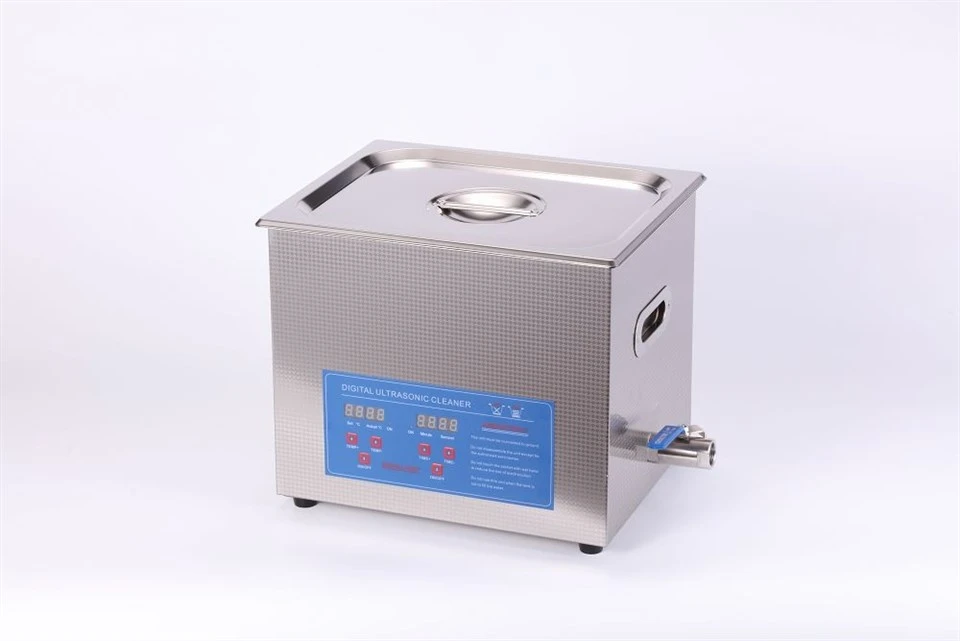
Most Record Ultrasonic Cleaners allow you to adjust parameters such as cleaning time, temperature, and power. These settings can significantly impact the cleaning results.
- Cleaning Time: The optimal cleaning time depends on the type and amount of contaminants. For light soiling, a shorter cleaning time may be sufficient, while heavily soiled items may require a longer cleaning cycle.
- Temperature: Increasing the temperature of the cleaning solution can enhance the cleaning performance by speeding up the chemical reactions and reducing the viscosity of the contaminants. However, be careful not to exceed the recommended temperature range of the cleaner and the cleaning solution.
- Power: Higher power settings generally result in more intense cavitation and faster cleaning. However, using too much power can cause damage to delicate items. Select the appropriate power level based on the nature of the items being cleaned.
Maintaining the Ultrasonic Cleaner
Regular maintenance of the ultrasonic cleaner is essential for its long - term performance and reliability.
- Cleaning the Tank: After each use, drain the cleaning solution and rinse the tank thoroughly with clean water. Remove any debris or sediment that may have accumulated at the bottom of the tank.
- Inspecting the Transducers: The transducers are the components that generate the ultrasonic waves. Check them regularly for signs of damage or wear. If a transducer is malfunctioning, it can significantly reduce the cleaning efficiency.
- Replacing the Filter: If your ultrasonic cleaner is equipped with a filter, replace it according to the manufacturer's recommendations. A clogged filter can restrict the flow of the cleaning solution and affect the cleaning performance.
Applications of Record Ultrasonic Cleaners
Record Ultrasonic Cleaners have a wide range of applications in various industries.
- Electronics: Ultrasonic PCB Cleaner is used to clean printed circuit boards (PCBs) and electronic components. Ultrasonic cleaning can remove flux residues, dust, and other contaminants without damaging the delicate electronic parts.
- Model Making: Ultrasonic Cleaner for Models is ideal for cleaning model parts. It can remove mold release agents, paint overspray, and dirt from model kits, ensuring a clean and professional finish.
Troubleshooting Common Issues
Even with proper optimization, you may encounter some common issues with your Record Ultrasonic Cleaner.
- Poor Cleaning Performance: If the items are not being cleaned effectively, check the cleaning solution, loading, and cleaning parameters. It's also possible that the transducers are not functioning correctly.
- Noise or Vibration: Excessive noise or vibration may indicate a problem with the mounting of the transducers or the cleaner itself. Check for loose components and ensure that the cleaner is placed on a stable surface.
- Leaking: If the cleaner is leaking, inspect the seals and gaskets for damage. Replace any worn - out parts as necessary.
Conclusion
Optimizing the cleaning process of a Record Ultrasonic Cleaner involves a combination of proper selection of cleaning solutions, correct loading, adjustment of cleaning parameters, and regular maintenance. By following these guidelines, you can ensure that your ultrasonic cleaner delivers consistent and high - quality cleaning results.
If you're interested in learning more about our Record Ultrasonic Cleaners or have any questions regarding the optimization of the cleaning process, we'd be more than happy to assist you. Whether you're in the electronics industry, model making, or any other field that requires precision cleaning, our products can meet your needs. Contact us to start a discussion about your specific requirements and explore how our Record Ultrasonic Cleaners can enhance your cleaning operations.

References
- "Ultrasonic Cleaning Technology: Principles and Applications" by John Doe
- Manufacturer's Manual for Record Ultrasonic Cleaners