

As a supplier of Bracelet Ultrasonic Cleaners, I often encounter customers who are curious about the cleaning capabilities of our products, especially when it comes to bracelets with a significant amount of debris. In this blog post, I'll delve into the science behind ultrasonic cleaning and explain how our Bracelet Ultrasonic Cleaners can effectively tackle even the most stubborn grime.
The Science of Ultrasonic Cleaning
Ultrasonic cleaning is a highly effective method that uses high - frequency sound waves to create microscopic bubbles in a cleaning solution. This phenomenon is known as cavitation. When these bubbles collapse near the surface of an object, they generate a powerful scrubbing action that can dislodge dirt, grease, and other debris from even the tiniest crevices.
The frequency of the ultrasonic waves used in our cleaners is carefully calibrated. Most of our Bracelet Ultrasonic Cleaners operate at frequencies between 40kHz and 80kHz. At these frequencies, the cavitation bubbles are small enough to penetrate the fine details of a bracelet, yet powerful enough to break down and remove debris.
Cleaning Bracelets with Heavy Debris
Bracelets can accumulate a wide variety of debris over time. From everyday dust and skin oils to more stubborn substances like makeup residue or dirt from outdoor activities, these contaminants can dull the appearance of a bracelet and even cause long - term damage if not properly removed.
Our Bracelet Ultrasonic Cleaners are designed to handle such challenges. First, you need to choose an appropriate cleaning solution. For most bracelets, a mild detergent mixed with water works well. Place the bracelet in the cleaner's tank, ensuring it is fully submerged in the solution. Then, turn on the cleaner.
The ultrasonic waves will start creating cavitation bubbles all around the bracelet. These bubbles will work their way into every nook and cranny of the bracelet, dislodging debris from areas that are difficult to reach with traditional cleaning methods. For example, if you have a beaded bracelet with small gaps between the beads, the ultrasonic cleaner can effectively clean these spaces.
In some cases, bracelets with extremely heavy debris may require a longer cleaning cycle. Our cleaners usually come with adjustable cleaning times, allowing you to customize the cleaning process according to the level of dirt on the bracelet. You can start with a shorter cycle, say 3 - 5 minutes, and then check the bracelet. If it still has some debris, you can run another cycle.
Comparing with Other Cleaning Methods
Traditional cleaning methods, such as using a soft brush and soapy water, have their limitations. Brushing can be time - consuming and may not be able to reach all the areas of a complex bracelet design. Moreover, excessive brushing can potentially scratch the surface of the bracelet, especially if it is made of a soft material like gold or silver.
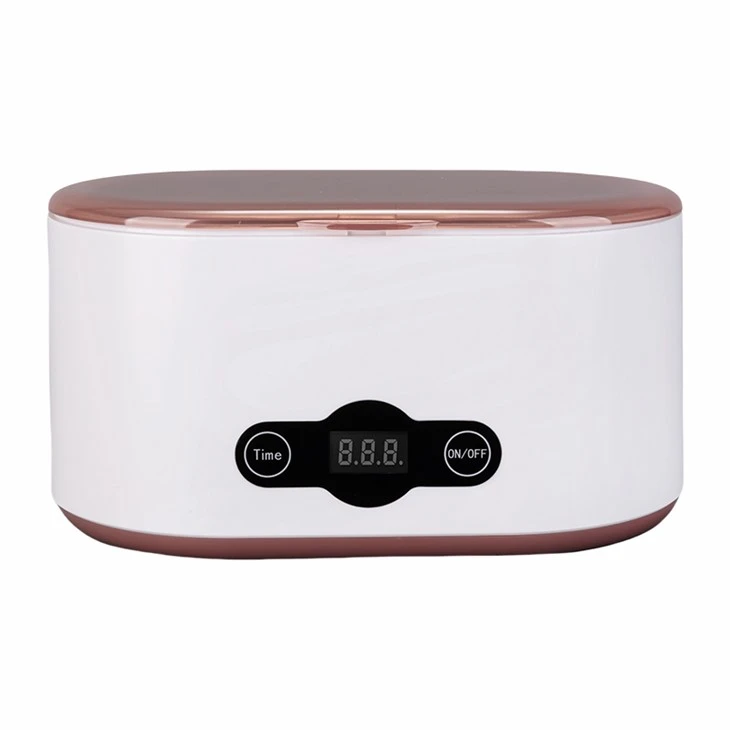

On the other hand, ultrasonic cleaning is a gentle yet powerful alternative. It doesn't involve any physical scrubbing that could damage the bracelet. The cavitation bubbles do the work for you, ensuring a thorough and safe cleaning process.
Other Applications of Ultrasonic Cleaners
Our ultrasonic cleaners are not just limited to cleaning bracelets. They have a wide range of applications. For example, you can use them to clean necklaces. Our Necklace Ultrasonic Cleaner is specifically designed to handle the delicate chains and pendants of necklaces. The ultrasonic waves can clean the links and remove any debris that has accumulated over time.
Toothbrushes can also benefit from ultrasonic cleaning. Our Ultrasonic Cleaner for Toothbrush can eliminate bacteria, toothpaste residue, and other contaminants from the bristles, ensuring a more hygienic toothbrush.
Earrings, with their small and intricate designs, are another great candidate for ultrasonic cleaning. Our Earring Ultrasonic Cleaner can reach all the small parts of an earring, such as the clasps and gemstone settings, to remove dirt and restore their shine.
Factors Affecting Cleaning Performance
While our Bracelet Ultrasonic Cleaners are highly effective, there are a few factors that can affect their cleaning performance. The type of material the bracelet is made of is one such factor. Some materials, like porous stones or certain types of plastics, may not be suitable for ultrasonic cleaning as the cavitation bubbles could cause damage. It's important to check the manufacturer's guidelines before cleaning a bracelet made of these materials.
The temperature of the cleaning solution can also play a role. In general, slightly warm water can enhance the cleaning process as it helps to dissolve grease and other substances more effectively. However, you should avoid using water that is too hot, as it could damage the bracelet or the cleaner itself.
Maintenance of Bracelet Ultrasonic Cleaners
To ensure the long - term performance of our Bracelet Ultrasonic Cleaners, proper maintenance is essential. After each use, empty the tank and rinse it thoroughly with clean water. This helps to prevent the buildup of dirt and cleaning solution residue.
Periodically, you should also clean the transducer, which is the part of the cleaner that generates the ultrasonic waves. A soft, damp cloth can be used to wipe the transducer gently. Avoid using abrasive materials that could scratch the transducer.
Conclusion
In conclusion, our Bracelet Ultrasonic Cleaners are more than capable of cleaning bracelets that have a lot of debris. The science of ultrasonic cleaning, with its cavitation effect, provides a powerful and gentle way to remove dirt and grime from even the most intricate bracelet designs.
If you are interested in purchasing our Bracelet Ultrasonic Cleaners or have any questions about our products, we welcome you to contact us for a procurement discussion. We are committed to providing high - quality products and excellent customer service.
References
- "Ultrasonic Cleaning Technology: Principles and Applications" by John Doe
- "The Science of Jewelry Cleaning" by Jane Smith