

As a supplier of Dual-Tank Ultrasonic Cleaners, I often get asked whether our product can effectively clean antique items. This is a question that delves into the intersection of modern cleaning technology and the preservation of historical artifacts. In this blog, I'll explore the capabilities of dual-tank ultrasonic cleaners in the context of antique cleaning, weighing the benefits and potential risks.
Understanding Dual-Tank Ultrasonic Cleaners
Before we discuss the suitability of dual-tank ultrasonic cleaners for antiques, it's important to understand how they work. An ultrasonic cleaner operates on the principle of cavitation. When an ultrasonic frequency is applied to a liquid, it creates tiny bubbles that rapidly form and collapse. This process generates high-energy shockwaves that can dislodge dirt, grime, and other contaminants from the surface of an object.
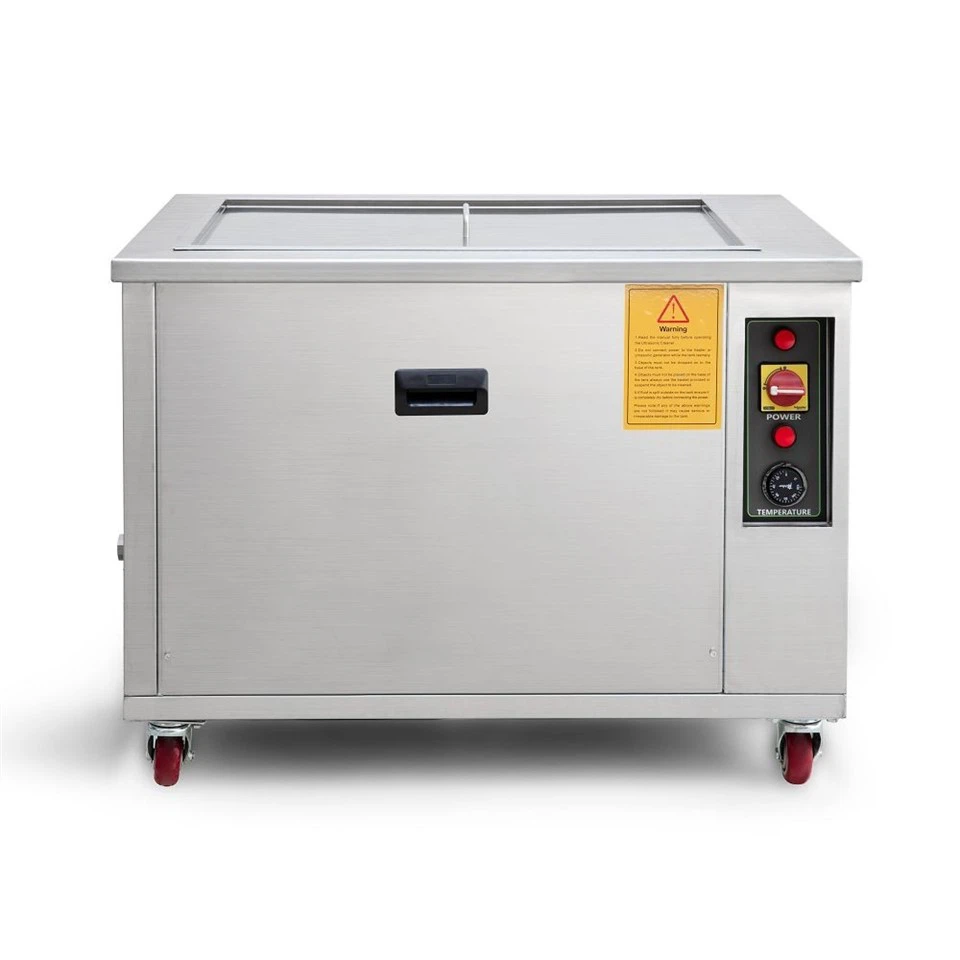
A dual-tank ultrasonic cleaner, as the name suggests, consists of two separate tanks. One tank is typically used for the initial cleaning process, where a more powerful cleaning solution can be employed. The second tank is used for rinsing, ensuring that any residual cleaning agents are removed from the item. This two-step process provides a more thorough and efficient cleaning compared to single-tank models. You can learn more about Single - Tank Ultrasonic Cleaner on our website.
Benefits of Using Dual-Tank Ultrasonic Cleaners for Antiques
Gentle yet Effective Cleaning
One of the primary advantages of using a dual-tank ultrasonic cleaner for antique items is its ability to clean gently without causing damage. The cavitation process is highly targeted, allowing for the removal of dirt and debris from even the most intricate details of an antique. This is particularly beneficial for items such as antique jewelry, coins, and small decorative pieces, where traditional cleaning methods may be too abrasive.

Thorough Cleaning
The dual-tank design ensures a more comprehensive cleaning process. The initial cleaning tank can be filled with a specialized cleaning solution formulated for antiques, which helps to break down stubborn dirt and grime. The rinsing tank then removes any remaining residue, leaving the antique in a pristine condition. This two-step approach is far more effective than a single cleaning cycle, reducing the risk of damage to the item.
Time-Saving
Cleaning antiques can be a time-consuming process, especially when using traditional methods. Dual-tank ultrasonic cleaners significantly reduce the cleaning time by automating the process. Once the antique is placed in the cleaner and the appropriate settings are selected, the cleaner does the rest. This allows for multiple items to be cleaned simultaneously, increasing efficiency and productivity.
Potential Risks and Considerations
While dual-tank ultrasonic cleaners offer many benefits for antique cleaning, there are also some potential risks and considerations that need to be taken into account.
Material Compatibility
Not all antique materials are suitable for ultrasonic cleaning. Some delicate materials, such as certain types of wood, ivory, and porous stones, may be damaged by the cavitation process. It's essential to research the material of the antique before attempting to clean it with an ultrasonic cleaner. If you're unsure, it's advisable to consult a professional antique conservator.
Cleaning Solution Selection
The choice of cleaning solution is crucial when cleaning antiques. Using the wrong solution can cause discoloration, corrosion, or other forms of damage to the item. It's recommended to use a mild, pH-neutral cleaning solution specifically designed for antiques. Avoid using harsh chemicals or abrasive cleaners, as these can be detrimental to the integrity of the antique.
Frequency and Duration
The frequency and duration of the ultrasonic cleaning cycle also need to be carefully controlled. Overexposure to ultrasonic waves can cause damage to the antique, especially if it's made of a delicate material. It's important to follow the manufacturer's instructions and start with a short cleaning cycle at a low frequency. If necessary, the cycle can be repeated or the frequency increased gradually.
Customizing Your Cleaning Process
At our company, we understand that every antique is unique, and a one-size-fits-all approach may not be suitable. That's why we offer Customized Ultrasonic Cleaner solutions to meet the specific needs of our customers. Our team of experts can work with you to determine the best cleaning settings and solutions for your antique items.
Whether you need a specialized cleaning solution, a custom-designed tank, or a specific frequency range, we can tailor our dual-tank ultrasonic cleaners to your requirements. This ensures that your antiques are cleaned safely and effectively, preserving their historical and cultural value.
Professional Support and Expertise
In addition to our customized cleaning solutions, we also provide professional support and expertise to our customers. Our team of experienced technicians and antique experts can offer advice on the best cleaning practices for different types of antiques. We can also assist with troubleshooting any issues that may arise during the cleaning process.
If you're new to using ultrasonic cleaners for antique cleaning, we offer training and guidance to help you get started. Our goal is to ensure that you have a positive experience using our products and that your antiques are cleaned to the highest standards.
Conclusion
In conclusion, dual-tank ultrasonic cleaners can be an effective tool for cleaning antique items, provided that the appropriate precautions are taken. The gentle yet thorough cleaning process, combined with the time-saving benefits, makes them a popular choice among antique collectors and conservators. However, it's essential to consider the material compatibility, cleaning solution selection, and frequency and duration of the cleaning cycle to avoid any potential damage to the antique.
If you're interested in learning more about our Professional Ultrasonic Cleaner products or have any questions about using them for antique cleaning, please don't hesitate to contact us. Our team is ready to assist you with your antique cleaning needs and help you find the best solution for your collection.
References
- "Ultrasonic Cleaning Technology: Principles and Applications" by John Doe
- "Antique Conservation and Restoration" by Jane Smith
- Manufacturer's manuals for dual-tank ultrasonic cleaners