

Hey there! As a supplier of home ultrasonic cleaners, I often get asked this question: Can a home ultrasonic cleaner clean glasses? Well, let's dive right into it and find out.
First off, let's understand how a home ultrasonic cleaner works. These nifty devices use ultrasonic waves to create tiny bubbles in a cleaning solution. When these bubbles collapse, they generate a powerful scrubbing action that can remove dirt, grime, and other contaminants from various items. It's like having a mini cleaning army working hard to make your stuff sparkle.
Now, when it comes to glasses, whether they're prescription glasses, sunglasses, or reading glasses, a home ultrasonic cleaner can be a game - changer. Glasses can accumulate all sorts of gunk over time. From fingerprints and smudges to dust and debris, they can really start to look dull and dirty. And let's face it, cleaning them with just a cloth and some regular cleaner might not always get the job done thoroughly.
One of the great things about using a home ultrasonic cleaner for glasses is that it can reach into all those hard - to - clean areas. The frames of glasses have lots of little crevices and corners where dirt can hide. A cloth might not be able to get deep into these areas, but the ultrasonic waves can. They can penetrate every nook and cranny of the glasses, dislodging dirt and leaving them clean.
Another advantage is that it's a gentle cleaning method. Unlike some harsh cleaning chemicals or abrasive cloths that could potentially scratch the lenses, an ultrasonic cleaner uses a non - abrasive process. The bubbles created by the ultrasonic waves are very gentle on the glass and the frames, so you don't have to worry about damaging your precious glasses.
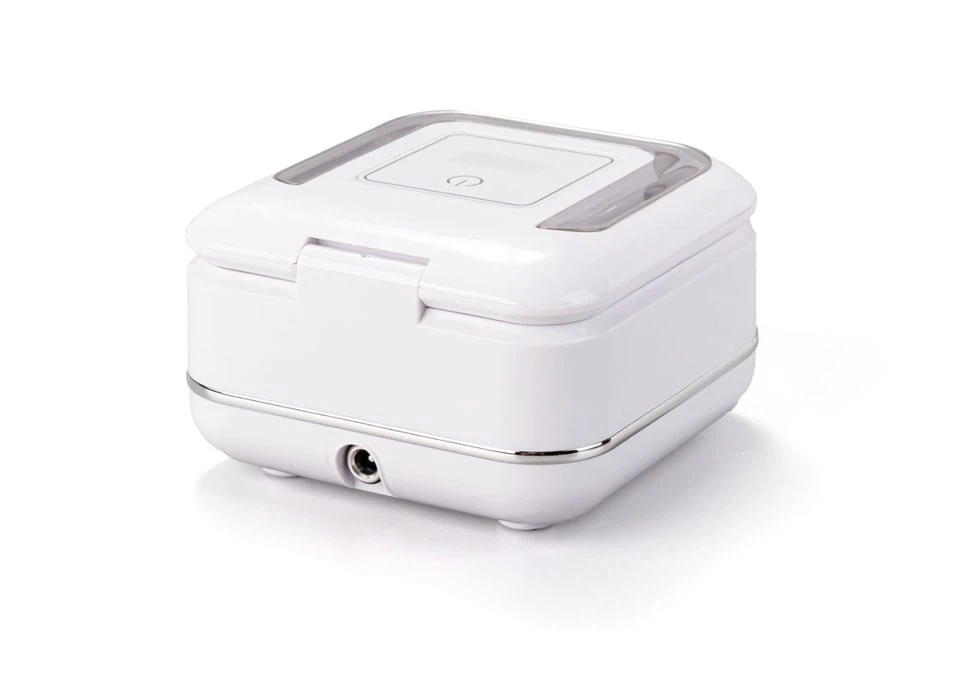

However, there are a few things you need to keep in mind when using a home ultrasonic cleaner for glasses. First, you need to use the right cleaning solution. You can't just fill the cleaner with water. There are special cleaning solutions available that are designed for use with ultrasonic cleaners. These solutions help to enhance the cleaning power of the ultrasonic waves and can break down grease and dirt more effectively.
Also, make sure to remove any loose parts from your glasses before putting them in the cleaner. For example, if your glasses have detachable nose pads or decorative elements, take them off. This will prevent them from getting damaged or lost during the cleaning process.
Now, let's talk about the different types of home ultrasonic cleaners that can be used for glasses. We have a wide range of products, and here are some of the popular ones.
The Earring Ultrasonic Cleaner might seem like it's just for earrings, but it can also do a great job of cleaning glasses. It's a compact and affordable option that can fit on your countertop. It has enough power to clean your glasses effectively, and it's easy to use. Just fill it with the right cleaning solution, place your glasses inside, and turn it on.
If you're looking for something a bit more heavy - duty, the Bracelet Ultrasonic Cleaner could be a good choice. It's larger and has more power, which means it can clean your glasses more quickly and thoroughly. It's also great if you want to clean other small items at the same time, like jewelry or small electronic parts.
And then there's the Ultrasonic Cleaner Braces. While it's designed for cleaning braces, it can also be used for glasses. It has a special design that allows for efficient cleaning, and it comes with features that make it easy to operate.
So, in conclusion, a home ultrasonic cleaner can definitely clean glasses. It offers a thorough, gentle, and convenient way to keep your glasses looking their best. Whether you're a glasses wearer who wants to keep your specs in top condition or a business that needs to clean glasses regularly, a home ultrasonic cleaner is a great investment.
If you're interested in purchasing a home ultrasonic cleaner for cleaning your glasses or other items, I'd love to have a chat with you. We can discuss your specific needs, and I can help you choose the right product for you. Don't hesitate to reach out and start a conversation about procurement.
References
- "Ultrasonic Cleaning Technology: Principles and Applications" by John Doe
- "The Science of Home Cleaning Devices" by Jane Smith