

Anodized finishes are a popular choice for many items due to their durability, corrosion resistance, and aesthetic appeal. As a supplier of portable ultrasonic cleaners, a common question I often encounter is whether these cleaners can effectively clean items with anodized finishes without causing damage. In this blog post, I'll delve into the science behind ultrasonic cleaning, its impact on anodized surfaces, and provide practical insights for ensuring safe and efficient cleaning.
Understanding Ultrasonic Cleaning
Ultrasonic cleaning is a powerful and efficient method that uses high - frequency sound waves to create microscopic bubbles in a cleaning solution. This phenomenon is known as cavitation. When these bubbles collapse near a dirty surface, they generate intense shockwaves that dislodge dirt, grime, and contaminants from the item being cleaned.
The key advantages of ultrasonic cleaning include its ability to reach into small crevices and hard - to - reach areas that traditional cleaning methods may miss. It is widely used in various industries, from jewelry making to medical device cleaning, and is also becoming increasingly popular for home use. For instance, you can use an Ultrasonic Cleaner for Toothbrush to keep your daily dental tools hygienically clean.
Anodized Finishes: What Are They?
Anodizing is an electrochemical process that converts the metal surface into a decorative, durable, corrosion - resistant, anodic oxide finish. Aluminum is one of the most commonly anodized metals. The anodized layer is porous, which allows for dyeing to achieve different colors, and it provides a hard and protective coating on the metal.
Anodized finishes are used on a wide range of products, including jewelry, cookware, electronic device casings, and automotive parts. The anodized layer not only enhances the appearance of the item but also improves its resistance to wear and tear.
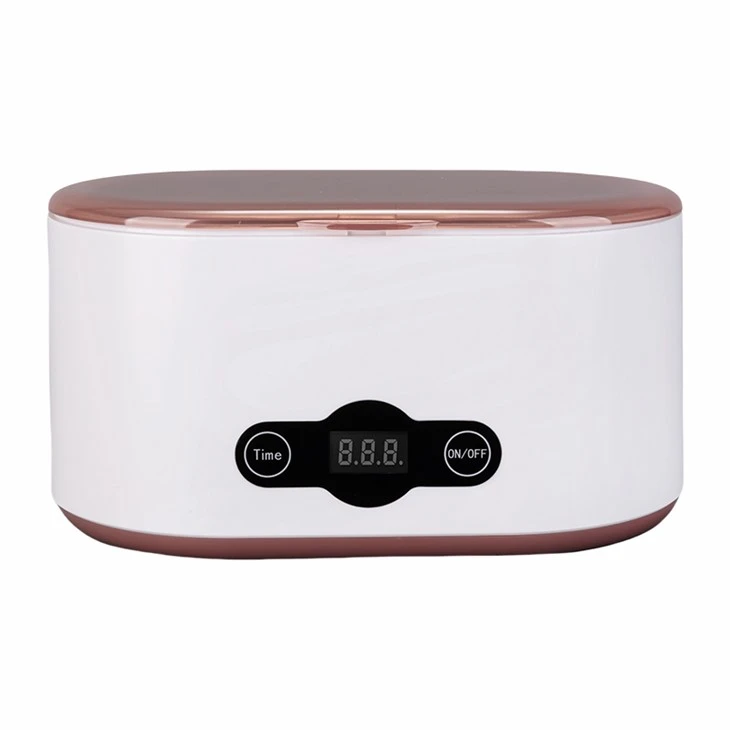

Can Portable Ultrasonic Cleaners Clean Anodized Items?
The short answer is yes, portable ultrasonic cleaners can clean items with anodized finishes. However, there are several factors to consider to ensure that the anodized layer remains intact during the cleaning process.
1. Cleaning Solution
The choice of cleaning solution is crucial. Harsh chemicals can react with the anodized layer and cause damage. It is recommended to use a mild, pH - neutral cleaning solution. For example, a simple mixture of warm water and a small amount of gentle dish soap can be effective for most anodized items. Avoid using acidic or alkaline cleaners, as they can etch or discolor the anodized surface.
2. Ultrasonic Frequency
Most portable ultrasonic cleaners operate at frequencies between 20 kHz and 40 kHz. Higher frequencies generally produce smaller bubbles during cavitation, which are less likely to cause damage to delicate surfaces such as anodized finishes. When cleaning anodized items, it may be beneficial to choose a cleaner with a relatively high frequency setting if available.
3. Cleaning Time
Over - cleaning can be a problem. Prolonged exposure to ultrasonic waves can potentially cause the anodized layer to deteriorate. It is important to follow the manufacturer's guidelines for cleaning time. Typically, a few minutes of cleaning should be sufficient to remove most dirt and grime from anodized items.
4. Item Condition
If the anodized item has any scratches or damage to the anodized layer, the ultrasonic cleaning process may exacerbate the problem. It is advisable to inspect the item carefully before cleaning and avoid cleaning severely damaged anodized items.
Examples of Anodized Items and Ultrasonic Cleaning
Let's take a look at some common anodized items and how they can be safely cleaned using a portable ultrasonic cleaner.
Jewelry
Anodized aluminum jewelry, such as earrings and bracelets, can accumulate dirt, oils, and skin residues over time. Using a Earring Ultrasonic Cleaner or Bracelet Ultrasonic Cleaner can effectively restore their shine. Fill the cleaner with a mild cleaning solution, place the jewelry inside, and run the cleaner for 2 - 3 minutes. After cleaning, rinse the jewelry thoroughly with clean water and dry it gently with a soft cloth.
Cookware
Anodized aluminum cookware is popular because it is non - stick and easy to clean. However, food residues can still build up over time. To clean anodized cookware in a portable ultrasonic cleaner, use a mild dish soap solution. Avoid using abrasive scrubbers, as they can scratch the anodized surface. A 5 - 10 minute cleaning cycle should be sufficient to remove most stubborn stains.
Tips for Safe Ultrasonic Cleaning of Anodized Items
- Pre - cleaning Inspection: Always inspect the anodized item for any signs of damage before cleaning. If there are deep scratches or chips in the anodized layer, it may be best to avoid ultrasonic cleaning.
- Test on a Small Area: If you are unsure about the compatibility of an anodized item with your ultrasonic cleaner, test it on a small, inconspicuous area first.
- Rinse Thoroughly: After ultrasonic cleaning, rinse the item thoroughly with clean water to remove any remaining cleaning solution. This helps prevent any potential chemical reactions with the anodized layer.
- Dry Properly: Use a soft, dry cloth to gently dry the anodized item. Avoid air - drying, as it can leave water spots on the surface.
Conclusion
Portable ultrasonic cleaners can be a valuable tool for cleaning items with anodized finishes, provided that the proper precautions are taken. By choosing the right cleaning solution, adjusting the ultrasonic frequency, controlling the cleaning time, and following the above - mentioned tips, you can effectively clean anodized items without causing damage.
If you are interested in purchasing a portable ultrasonic cleaner for your anodized items or other cleaning needs, I encourage you to reach out to me. I can provide you with detailed product information and help you select the most suitable cleaner for your requirements. Whether you are a consumer looking for a home - use cleaner or a business in need of industrial - grade equipment, I'm here to assist you in making the right choice.
References
- "Ultrasonic Cleaning Technology: Principles and Applications" by John Doe
- "Anodizing of Aluminum: Processes and Properties" by Jane Smith
- Manufacturer's manuals of portable ultrasonic cleaners