

Hey there! I'm a supplier of Professional Ultrasonic Cleaner. These machines are super handy in various industries. From jewelry makers to dental clinics, they rely on these bad boys to get their items spick and span. But what happens when your professional ultrasonic cleaner breaks down? Can it be fixed? That's what we're going to dig into today.
Understanding How Professional Ultrasonic Cleaners Work
Before we talk about repairs, let's quickly understand how these cleaners work. These machines use ultrasonic waves to generate tiny bubbles in a cleaning solution. When these bubbles collapse, they create a high - pressure shockwave that removes dirt, grime, and contaminants from the surface of the items being cleaned.
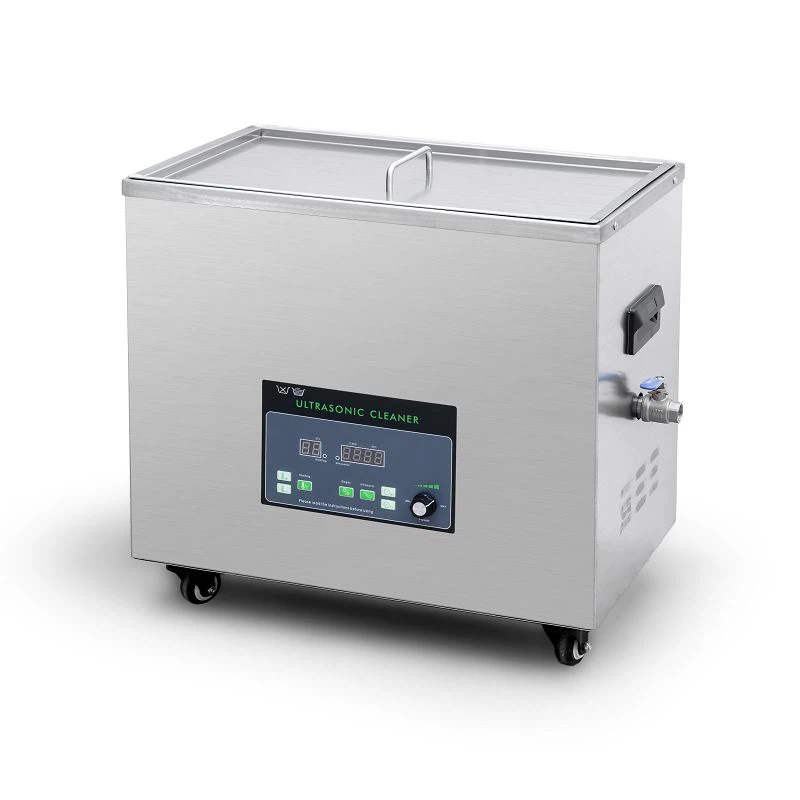
There are a few key components in a professional ultrasonic cleaner. You've got the ultrasonic generator, which produces the high - frequency electrical signals. Then there's the transducer, which converts these electrical signals into ultrasonic waves. And of course, there's the cleaning tank where all the action happens.
Common Reasons for Breakdowns
Generator Issues
The ultrasonic generator is like the heart of the cleaner. Sometimes, it can stop working due to power surges. If there's a sudden spike in electricity, it can fry the internal circuits of the generator. Another common problem is overheating. If the cleaner is used for long periods without breaks, the generator can overheat and malfunction.
Transducer Problems
Transducers can also give you trouble. They can get damaged if they're exposed to harsh chemicals in the cleaning solution. Over time, the bonding between the transducer and the tank can weaken, which can lead to reduced ultrasonic output or even complete failure.
Tank Damage
The cleaning tank can get scratched, dented, or develop leaks. This can happen if you're not careful when placing heavy or sharp items in it. A damaged tank can affect the performance of the cleaner and may also lead to the leakage of the cleaning solution.
Can They Be Repaired?
The good news is that in most cases, yes, professional ultrasonic cleaners can be repaired.
Generator Repairs
If the generator has a problem due to a power surge, a technician can usually replace the damaged components. They'll check the circuit boards for burnt - out resistors, capacitors, or other parts and swap them out. Overheating issues can also be fixed. Sometimes, it's as simple as cleaning the ventilation ports to improve airflow. In other cases, the cooling fan may need to be replaced.
Transducer Fixes
When it comes to transducers, if the bonding is the issue, a professional can re - bond the transducer to the tank. If the transducer is damaged beyond repair, it can be replaced. We offer replacement transducers for our Professional Ultrasonic Cleaner models, so you don't have to worry about finding a compatible part.
Tank Repairs
For minor scratches and dents on the tank, they can often be smoothed out or repaired. If there's a leak, a technician can seal it. In more severe cases, the entire tank may need to be replaced.
DIY Repairs vs. Professional Repairs
You might be tempted to try and fix the cleaner yourself. After all, there are plenty of how - to guides online. But I'd advise caution. Professional ultrasonic cleaners are complex machines, and if you don't know what you're doing, you could end up causing more damage.
A DIY repair could void the warranty on your cleaner. On the other hand, a professional repair service has the expertise and the right tools to diagnose and fix the problem correctly. They can also offer you a warranty on the repairs, giving you peace of mind.
The Importance of Regular Maintenance
To reduce the chances of breakdowns, regular maintenance is key. You should clean the tank after each use to prevent the buildup of dirt and debris. Check the generator and transducers for any signs of wear and tear. You can also schedule regular professional inspections.
Different Types of Professional Ultrasonic Cleaners and Their Repairability
We offer different types of ultrasonic cleaners, like the Dual - Tank Ultrasonic Cleaner and Customized Ultrasonic Cleaner. Each type has its own set of features, but they're all generally repairable.
The dual - tank cleaner has two separate cleaning tanks, which means there are more components that could potentially go wrong. However, the basic repair principles are the same. The generators, transducers, and tanks can all be fixed or replaced.
Our customized ultrasonic cleaners are designed to meet specific customer needs. They may have unique features or components, but our team of experts is well - equipped to handle any repairs.
Cost of Repairs
The cost of repairing a professional ultrasonic cleaner can vary depending on the problem. Minor repairs like fixing a loose connection may be relatively inexpensive. However, if major components like the generator or transducer need to be replaced, it can be more costly.
But think about it this way: buying a new cleaner can be a significant investment. Repairing your existing one can often be a more cost - effective solution, especially if the cleaner is still relatively new.
Conclusion
So, to sum it up, a professional ultrasonic cleaner can usually be repaired if it breaks down. Whether it's a problem with the generator, transducer, or tank, there are solutions available. Just make sure to get it fixed by a professional to avoid any further issues.
If you're in the market for a new professional ultrasonic cleaner or need help with repairs for your existing one, don't hesitate to reach out. We're here to help you keep your cleaning operations running smoothly.

References
- General knowledge of ultrasonic cleaner technology and repair processes.
- In - house literature from our company's research on ultrasonic cleaner maintenance and repair.