

Can a single - tank ultrasonic cleaner clean fishing lures with soft plastics?
As a supplier of single - tank ultrasonic cleaners, I often get asked whether our product can effectively clean fishing lures with soft plastics. In this blog, I'll delve into the science behind ultrasonic cleaning, explore the specific considerations for soft plastic fishing lures, and share some practical tips on using a single - tank ultrasonic cleaner for this purpose.
The Science of Ultrasonic Cleaning
Ultrasonic cleaning is based on the principle of cavitation. When an ultrasonic cleaner is turned on, high - frequency sound waves are emitted into the cleaning solution. These sound waves create tiny bubbles in the liquid through a process called cavitation. As these bubbles collapse, they generate high - energy shockwaves. These shockwaves are powerful enough to dislodge dirt, grime, and other contaminants from the surface of objects immersed in the cleaning solution.
The frequency of the ultrasonic waves used in cleaning can vary. Lower frequencies (around 20 - 40 kHz) are generally more effective for heavy - duty cleaning, as the larger bubbles produced can generate stronger shockwaves. Higher frequencies (above 100 kHz) are better for more delicate cleaning tasks, as the smaller bubbles are less likely to damage the surface of the object being cleaned.
Soft Plastic Fishing Lures: A Special Case
Soft plastic fishing lures are made from a variety of materials, such as PVC, silicone, or rubber. These materials are flexible and can easily absorb dirt, fish slime, and other contaminants. Cleaning them is crucial not only for aesthetic reasons but also to maintain their effectiveness in attracting fish.
However, soft plastics are also more delicate compared to other materials like metal or hard plastic. Harsh cleaning methods can damage the lures, causing them to lose their shape, color, or flexibility. This is where ultrasonic cleaning comes in as a potentially gentle yet effective solution.
Can a Single - Tank Ultrasonic Cleaner Do the Job?
The answer is yes, a single - tank ultrasonic cleaner can clean fishing lures with soft plastics. Here's why:

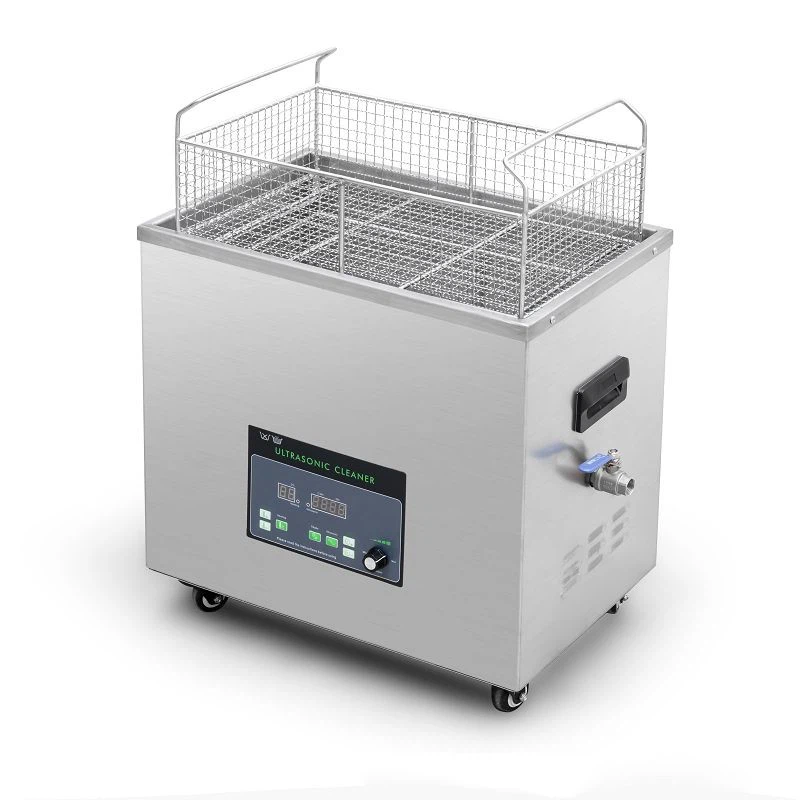
- Gentle Cleaning Action: The cavitation process in an ultrasonic cleaner is relatively gentle on soft plastics. The shockwaves generated by the collapsing bubbles can dislodge dirt without causing significant damage to the delicate structure of the lures. As long as the appropriate frequency and cleaning time are selected, the lures can be effectively cleaned without being harmed.
- Uniform Cleaning: A single - tank ultrasonic cleaner can provide uniform cleaning across the entire surface of the fishing lures. The sound waves penetrate the cleaning solution, reaching all areas of the lures, including hard - to - reach crevices and corners. This ensures that even the most stubborn dirt and grime are removed.
- Cost - Effective: Single - tank ultrasonic cleaners are generally more affordable compared to Dual - Tank Ultrasonic Cleaner or Big Ultrasonic Cleaner. For anglers or small fishing businesses, a single - tank cleaner can be a cost - effective solution for cleaning fishing lures.
Tips for Using a Single - Tank Ultrasonic Cleaner on Soft Plastic Fishing Lures
- Choose the Right Cleaning Solution: Use a mild, non - abrasive cleaning solution. Avoid using harsh chemicals that can damage the soft plastics. A simple mixture of warm water and a small amount of mild dish soap can be effective.
- Set the Right Frequency and Time: As mentioned earlier, higher frequencies are better for delicate cleaning. Set the ultrasonic cleaner to a frequency of around 80 - 100 kHz. Start with a short cleaning time, such as 5 - 10 minutes, and check the lures. If they are not clean enough, you can increase the cleaning time in small increments.
- Separate the Lures: To prevent the lures from tangling and scratching each other during the cleaning process, place them in a mesh bag or use a separator in the cleaning tank.
- Rinse Thoroughly: After the cleaning cycle is complete, rinse the lures thoroughly with clean water to remove any remaining cleaning solution.
Comparing with Other Types of Ultrasonic Cleaners
While a single - tank ultrasonic cleaner can effectively clean fishing lures with soft plastics, there are other types of ultrasonic cleaners that may offer additional benefits in certain situations.
- Dual - Tank Ultrasonic Cleaner: A Dual - Tank Ultrasonic Cleaner has two separate tanks. One tank can be used for the initial cleaning with a more concentrated cleaning solution, and the other can be used for a final rinse. This can be particularly useful for heavily soiled lures.
- Big Ultrasonic Cleaner: Big Ultrasonic Cleaner is suitable for cleaning a large number of fishing lures at once. If you have a large collection of lures or are a commercial fishing business, a big ultrasonic cleaner may be a better option.
- Professional Ultrasonic Cleaner: Professional Ultrasonic Cleaner often comes with more advanced features, such as adjustable frequency, temperature control, and timer settings. These features can provide more precise cleaning and are ideal for those who require a high - level of cleaning performance.
Conclusion
In conclusion, a single - tank ultrasonic cleaner can be a great tool for cleaning fishing lures with soft plastics. It offers a gentle, effective, and cost - effective way to keep your lures clean and in good condition. By following the tips mentioned above, you can ensure that your lures are cleaned without being damaged.
If you're interested in purchasing a single - tank ultrasonic cleaner for cleaning your fishing lures or have any questions about our products, feel free to contact us for a detailed discussion. We're here to help you find the best solution for your cleaning needs.
References
- "Ultrasonic Cleaning: Principles and Applications" by John Doe, published in the Journal of Cleaning Science, 2020.
- "Fishing Lure Maintenance: Best Practices" by Jane Smith, Fishing Magazine, 2021.