

Silicon wafers are the foundation of modern semiconductor technology, playing a crucial role in the production of integrated circuits, microchips, and other electronic components. The cleanliness of silicon wafers directly impacts the performance and reliability of these electronic devices. As a supplier of Ultrasonic CAPA Cleaners, I often receive inquiries about whether our cleaners can be used for cleaning silicon wafers. In this blog post, I will explore this question in detail, discussing the principles of ultrasonic cleaning, the requirements for cleaning silicon wafers, and the suitability of Ultrasonic CAPA Cleaners for this application.
Principles of Ultrasonic Cleaning
Ultrasonic cleaning is a widely used method for removing contaminants from various surfaces. It relies on the phenomenon of cavitation, which occurs when high-frequency sound waves are introduced into a liquid cleaning solution. These sound waves create alternating high and low-pressure cycles in the liquid. During the low-pressure phase, tiny bubbles, or cavities, form in the liquid. When the pressure increases again, these bubbles collapse violently, generating shockwaves that can dislodge and remove contaminants from the surface of the object being cleaned.
The effectiveness of ultrasonic cleaning depends on several factors, including the frequency of the ultrasonic waves, the power of the ultrasonic generator, the type of cleaning solution, and the duration of the cleaning process. Different frequencies are suitable for different types of contaminants and materials. Lower frequencies (e.g., 20 - 40 kHz) produce larger bubbles with more powerful shockwaves, which are effective for removing heavy and stubborn contaminants. Higher frequencies (e.g., 80 - 130 kHz) generate smaller bubbles that are better suited for delicate cleaning tasks, as they cause less damage to the surface of the object.
Requirements for Cleaning Silicon Wafers
Silicon wafers are extremely sensitive to contamination. Even the smallest particle or impurity on the surface of a wafer can cause defects in the semiconductor devices fabricated on it, leading to reduced performance or complete failure. Therefore, the cleaning process for silicon wafers must meet the following strict requirements:
- Particle Removal: The cleaning process should be able to remove various types of particles, including dust, dirt, metal particles, and organic residues, from the surface of the wafer. The size of the particles that need to be removed can range from a few nanometers to several micrometers.
- Chemical Purity: The cleaning solution used should be highly pure and free from any contaminants that could potentially damage the wafer or introduce new impurities. In addition, the cleaning solution should not leave any residues on the wafer after the cleaning process.
- Surface Integrity: The cleaning process should not cause any damage to the surface of the wafer, such as scratching, etching, or roughening. Silicon wafers have a very smooth and flat surface, and any damage to this surface can affect the performance of the semiconductor devices.
- Uniformity: The cleaning process should ensure uniform cleaning across the entire surface of the wafer. Non-uniform cleaning can result in variations in the performance of the semiconductor devices fabricated on different parts of the wafer.
Suitability of Ultrasonic CAPA Cleaners for Cleaning Silicon Wafers
Ultrasonic CAPA Cleaners offer several advantages that make them a potential candidate for cleaning silicon wafers:
- Effective Particle Removal: The cavitation effect produced by ultrasonic waves can effectively dislodge and remove particles from the surface of silicon wafers. By selecting the appropriate frequency and power, it is possible to target particles of different sizes and types, ensuring thorough cleaning.
- Non-contact Cleaning: Ultrasonic cleaning is a non-contact cleaning method, which means that there is no physical contact between the cleaning equipment and the wafer. This reduces the risk of scratching or damaging the surface of the wafer during the cleaning process.
- Customizable Cleaning Parameters: Ultrasonic CAPA Cleaners allow for the adjustment of various cleaning parameters, such as frequency, power, and cleaning time, to meet the specific requirements of different types of silicon wafers and contaminants. This flexibility makes it possible to optimize the cleaning process for maximum effectiveness and minimum damage to the wafers.
However, there are also some challenges and limitations associated with using Ultrasonic CAPA Cleaners for cleaning silicon wafers:
- Risk of Surface Damage: Although ultrasonic cleaning is generally considered a non-destructive cleaning method, the high-energy shockwaves generated by cavitation can potentially cause damage to the surface of the wafer if the cleaning parameters are not properly adjusted. For example, using too high a power or frequency for too long can lead to surface roughening or etching of the wafer.
- Contamination from Cleaning Solution: The cleaning solution used in ultrasonic cleaning can introduce new contaminants to the wafer if it is not of high enough purity. Therefore, it is essential to use a high-quality, ultra-pure cleaning solution specifically designed for cleaning silicon wafers.
- Residue Removal: After the ultrasonic cleaning process, it is necessary to ensure that all traces of the cleaning solution are removed from the wafer to prevent any residues from affecting the performance of the semiconductor devices. This may require additional rinsing and drying steps.
Applications of Ultrasonic Cleaners in Related Fields
In addition to silicon wafers, ultrasonic cleaners have a wide range of applications in other fields. For example, an Ultrasonic Optics Parts Cleaner is used to clean optical components such as lenses, mirrors, and prisms. These components require a high level of cleanliness to ensure optimal optical performance. Ultrasonic cleaning can effectively remove contaminants such as dust, grease, and fingerprints from the surface of optical parts without causing any damage.
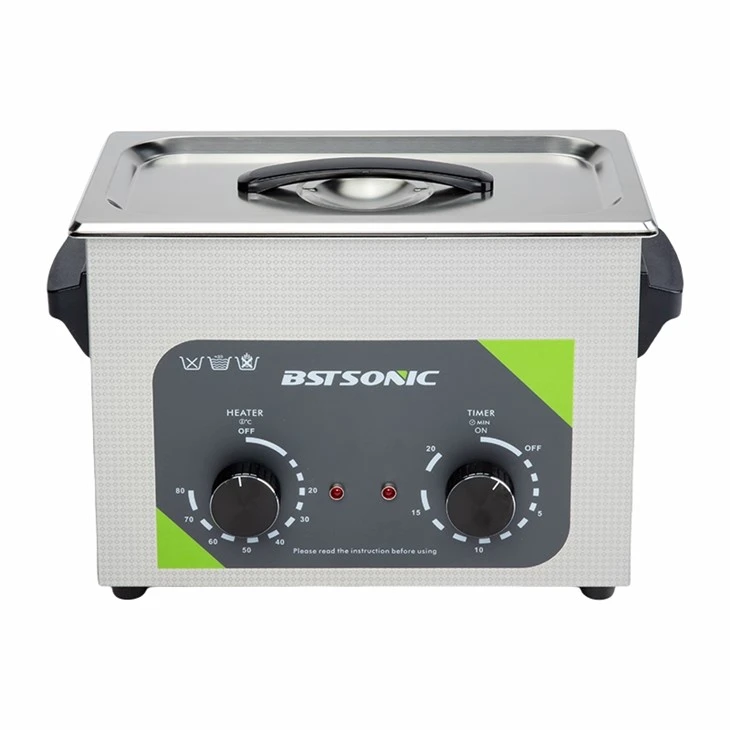

Another application is the Ultrasonic Cleaner for Fishing Reels. Fishing reels are exposed to water, dirt, and salt, which can cause corrosion and damage over time. Ultrasonic cleaning can help to remove these contaminants from the internal and external parts of the fishing reel, extending its lifespan and improving its performance.
The Ultrasonic Cleaner for Injector is used to clean fuel injectors in automotive engines. Over time, fuel injectors can become clogged with deposits, which can affect the fuel spray pattern and engine performance. Ultrasonic cleaning can effectively remove these deposits, restoring the proper functioning of the injectors.
Conclusion
In conclusion, Ultrasonic CAPA Cleaners have the potential to be used for cleaning silicon wafers, thanks to their effective particle removal capabilities and non-contact cleaning method. However, careful consideration must be given to the selection of the appropriate cleaning parameters, the use of high-quality cleaning solutions, and the implementation of proper rinsing and drying steps to ensure that the cleaning process meets the strict requirements for cleaning silicon wafers.
If you are in the semiconductor industry and are looking for a reliable and effective cleaning solution for your silicon wafers, I encourage you to contact us to discuss your specific needs. Our team of experts can provide you with detailed information about our Ultrasonic CAPA Cleaners and help you determine the best cleaning solution for your application. We are committed to providing high-quality products and excellent customer service to meet your requirements.
References
- "Semiconductor Manufacturing Technology" by Peter Van Zant
- "Ultrasonic Cleaning: Principles and Applications" by John T. Webster
- "Cleaning Technology for Semiconductor Manufacturing" by Yoshio Hirose