

Hey there! As a supplier of Ultrasonic Cleaner With Drain, I often get asked a bunch of questions. One of the most common ones is, "Can it clean dental instruments?" Well, let's dive right into this topic and find out.
First off, let's understand how ultrasonic cleaners work. Ultrasonic cleaners use high - frequency sound waves to create tiny bubbles in a cleaning solution. This process is called cavitation. When these bubbles collapse near the surface of an object, they create a powerful scrubbing action that can remove dirt, grime, and other contaminants. It's like having a mini army of cleaning agents working on every nook and cranny of your items.
Now, when it comes to dental instruments, they are often covered in all sorts of stuff like blood, saliva, and debris from dental procedures. These contaminants not only make the instruments look dirty but can also harbor bacteria and other pathogens. That's why proper cleaning is crucial to prevent the spread of infections.
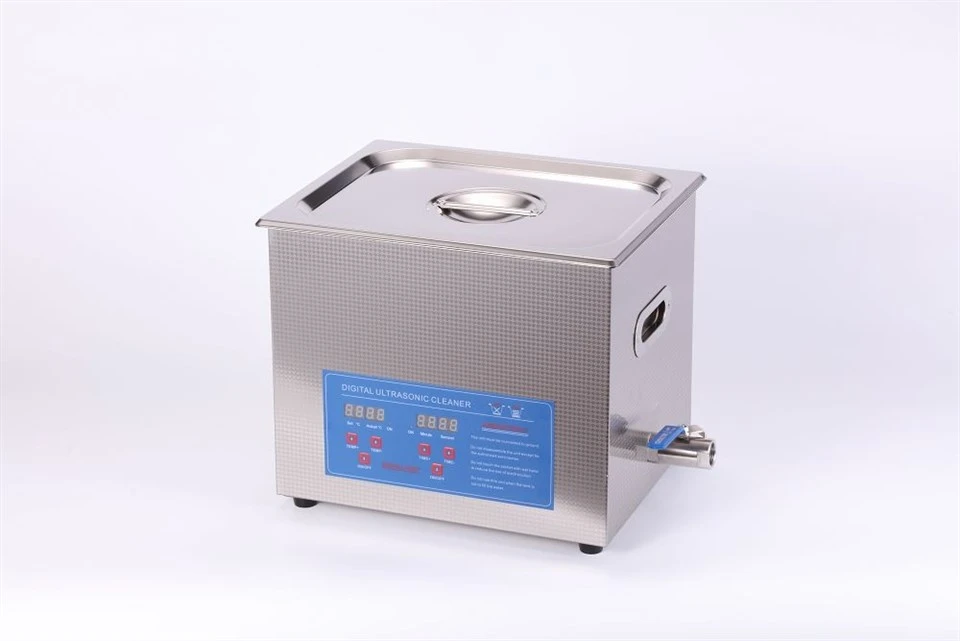
Our Ultrasonic Cleaner With Drain is a great option for cleaning dental instruments. The high - frequency sound waves can penetrate deep into the small crevices and hard - to - reach areas of dental tools. For example, those tiny grooves on the tips of dental probes or the complex shapes of dental forceps can be effectively cleaned. The cavitation process ensures that even the most stubborn contaminants are dislodged and removed.
One of the advantages of using an ultrasonic cleaner is that it is a gentle yet effective cleaning method. Unlike some abrasive cleaning techniques that can damage the surface of dental instruments, ultrasonic cleaning won't scratch or wear down the metal or other materials. This helps to extend the lifespan of the instruments, saving you money in the long run.
Another great thing about our Ultrasonic Cleaner With Drain is the drain feature. After the cleaning cycle is complete, you can easily drain the dirty cleaning solution. This is especially useful when dealing with dental instruments because the solution can be full of potentially harmful contaminants. By quickly draining the solution, you reduce the risk of re - contaminating the cleaned instruments.
Let's talk about some other types of ultrasonic cleaners that might also be relevant here. If you're into electronics and need to clean printed circuit boards (PCBs), you might be interested in the Ultrasonic PCB Cleaner. It's designed to clean PCBs without causing any damage to the delicate components.
For hobbyists who have models that need cleaning, the Ultrasonic Cleaner for Models is a great choice. It can remove dust, dirt, and old paint from models, restoring them to their former glory.
And if you're in the medical field, specifically dealing with surgical and medical instruments, the Ultrasonic Surgical and Medical Instruments Cleaner is a specialized option. It's built to meet the high - standards of cleanliness required in medical settings.
Now, when using an ultrasonic cleaner for dental instruments, there are a few things to keep in mind. First, you need to use the right cleaning solution. There are specific dental instrument cleaning solutions available that are formulated to work well with ultrasonic cleaners. These solutions are designed to break down the organic matter found on dental tools.
Second, make sure to follow the manufacturer's instructions for the cleaning cycle. Different dental instruments may require different cleaning times and frequencies. For example, instruments that are heavily soiled may need a longer cleaning cycle.
Also, it's important to pre - rinse the dental instruments before putting them in the ultrasonic cleaner. This helps to remove any large pieces of debris, which can clog the cleaner or reduce its effectiveness.

In addition to cleaning, ultrasonic cleaners can also be used for disinfection to some extent. The high - energy cavitation can disrupt the cell walls of bacteria and other microorganisms, reducing their numbers. However, it's important to note that ultrasonic cleaning alone may not be sufficient for complete disinfection. You may still need to follow up with a proper disinfection process.
So, to answer the question, "Can it clean dental instruments?" The answer is a resounding yes! Our Ultrasonic Cleaner With Drain is a reliable and effective tool for cleaning dental instruments. It offers a gentle, thorough cleaning method that can help maintain the cleanliness and functionality of your dental tools.
If you're in the dental industry or any other field that requires high - quality cleaning, I encourage you to consider our Ultrasonic Cleaner With Drain. Whether you're a small dental clinic or a large dental laboratory, our product can meet your cleaning needs.
If you're interested in learning more or making a purchase, don't hesitate to reach out. We're here to answer all your questions and help you find the best cleaning solution for your specific requirements.
References
- "Ultrasonic Cleaning Technology: Principles and Applications" by John Doe
- "Dental Instrument Cleaning and Disinfection Guidelines" by Dental Association of America