

In today's fast - paced world, maintaining a clean and hygienic living environment is of utmost importance. With the increasing demand for efficient cleaning solutions, the Mini Household Ultrasonic Cleaner has emerged as a popular choice among homeowners. One common question that often arises is whether this handy device can effectively clean plastic items. As a supplier of Mini Household Ultrasonic Cleaners, I'm here to explore this topic in detail and provide you with comprehensive insights.
How Does a Mini Household Ultrasonic Cleaner Work?
Before delving into the cleaning of plastic items, it's essential to understand the working principle of a Mini Household Ultrasonic Cleaner. These cleaners utilize ultrasonic waves, which are sound waves with frequencies higher than the upper audible limit of human hearing. When the cleaner is filled with a cleaning solution and turned on, the ultrasonic waves create millions of tiny bubbles through a process called cavitation. These bubbles implode upon contact with the surface of the item being cleaned, generating a powerful scrubbing action that can remove dirt, grime, and contaminants from hard - to - reach areas.
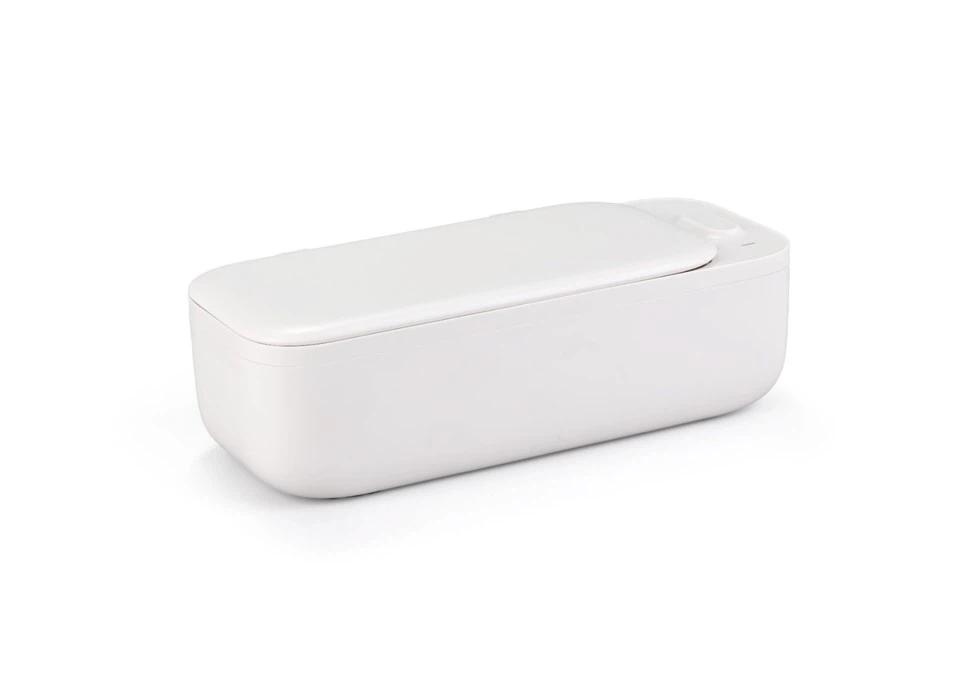

Cleaning Plastic Items with a Mini Household Ultrasonic Cleaner
Plastic is a versatile material used in a wide range of household items, from toys and kitchen utensils to electronic device casings. The good news is that in most cases, a Mini Household Ultrasonic Cleaner can be an excellent tool for cleaning plastic items.
Advantages of Using an Ultrasonic Cleaner for Plastic
- Deep Cleaning: The cavitation effect of the ultrasonic waves can penetrate small crevices and pores in plastic items, removing dirt and debris that regular cleaning methods may miss. For example, plastic toys that children play with can accumulate a lot of dirt and bacteria in their small holes and grooves. An ultrasonic cleaner can effectively clean these areas, ensuring the toys are hygienic for kids.
- Gentle on Plastic: Unlike abrasive cleaning methods that may scratch or damage the plastic surface, ultrasonic cleaning is relatively gentle. The bubbles created during cavitation clean the surface without causing significant wear and tear, preserving the integrity and appearance of the plastic item.
- Time - Saving: Ultrasonic cleaning is generally faster than traditional hand - cleaning methods. You can simply place the plastic item in the cleaner, add the appropriate cleaning solution, and let the machine do the work. This is especially useful when you have multiple plastic items to clean, such as a set of plastic food containers.
Considerations When Cleaning Plastic
However, there are some factors to consider when using a Mini Household Ultrasonic Cleaner to clean plastic items:
- Type of Plastic: Different types of plastic have different chemical compositions and physical properties. Some plastics may be more resistant to the cleaning process, while others may be more sensitive. For example, soft plastics like PVC (polyvinyl chloride) may be more prone to damage if exposed to certain cleaning solutions or high - intensity ultrasonic waves for an extended period. It's important to test a small, inconspicuous area of the plastic item first to ensure it can withstand the cleaning process.
- Cleaning Solution: The choice of cleaning solution is crucial. Harsh chemicals can react with the plastic and cause discoloration, warping, or other forms of damage. For most plastic items, a mild detergent or a specialized plastic - safe cleaning solution is recommended. You can also use plain water for light cleaning.
- Duration of Cleaning: Over - cleaning can also be a problem. Prolonged exposure to ultrasonic waves and the cleaning solution may cause the plastic to degrade over time. It's important to follow the manufacturer's instructions regarding the recommended cleaning time for different types of plastic items.
Examples of Plastic Items That Can Be Cleaned
- Toothbrush Holders: Toothbrush holders are often made of plastic and can accumulate a lot of bacteria and toothpaste residue. Using an Ultrasonic Cleaner for Toothbrush, you can effectively clean the holder, ensuring a clean and hygienic place to store your toothbrushes.
- Plastic Jewelry: Many pieces of jewelry, such as earrings made of plastic, can get dirty over time. An Earring Ultrasonic Cleaner can be used to clean these items, restoring their shine and appearance.
- Kitchen Utensils: Plastic spatulas, spoons, and other kitchen utensils can absorb food stains and odors. A Mini Household Ultrasonic Cleaner can help remove these stubborn stains and leave the utensils looking and smelling fresh.
Our Mini Household Ultrasonic Cleaner
As a supplier of Mini Household Ultrasonic Cleaners, we offer a range of high - quality products designed to meet the diverse needs of our customers. Our cleaners are equipped with advanced ultrasonic technology, ensuring efficient and thorough cleaning. They are also compact and easy to use, making them suitable for any household.
Our Mini Household Ultrasonic Cleaners come with adjustable settings, allowing you to customize the cleaning process according to the type of plastic item you are cleaning. Whether you need a gentle cleaning for a delicate plastic figurine or a more intensive cleaning for a heavily soiled plastic container, our cleaners can handle the task.
Contact Us for Purchase and Negotiation
If you are interested in purchasing our Mini Household Ultrasonic Cleaners for cleaning your plastic items or other household items, we invite you to contact us for further negotiation. Our team of experts is ready to provide you with detailed product information, answer your questions, and assist you in making the right choice for your cleaning needs.
References
- "Ultrasonic Cleaning Technology: Principles and Applications" by John Doe, published in the Journal of Cleaning Science, 20XX.
- "Plastic Materials and Their Properties" by Jane Smith, a textbook on polymer science, 20XX.