

As a supplier of Harmonica Ultrasonic Cleaners, I often receive inquiries from customers regarding the proper maintenance and post - use care of our products. One of the most frequently asked questions is, "Do I need to clean the ultrasonic cleaner after using it for harmonica cleaning?" In this blog, I will delve into the reasons why cleaning your ultrasonic cleaner after each use is not only a good practice but also essential for the longevity and effectiveness of the device.
The Nature of Ultrasonic Cleaning
Before we discuss the necessity of cleaning the ultrasonic cleaner, it's important to understand how ultrasonic cleaning works. Ultrasonic cleaners use high - frequency sound waves, typically in the range of 20,000 to 40,000 hertz, to create millions of tiny bubbles in a cleaning solution through a process called cavitation. When these bubbles collapse near the surface of the object being cleaned (in this case, a harmonica), they generate a powerful scrubbing action that can dislodge dirt, grime, and debris from even the most intricate parts of the instrument.
When you clean a harmonica in an ultrasonic cleaner, the dirt, saliva, and other contaminants from the harmonica are released into the cleaning solution. Over time, these contaminants can accumulate in the cleaner and have several negative effects.
Reasons to Clean the Ultrasonic Cleaner After Use
1. Preventing Contamination
One of the primary reasons to clean the ultrasonic cleaner after using it for harmonica cleaning is to prevent cross - contamination. If you plan to use the same cleaner for other items in the future, such as Ultrasonic Cleaner for Fishing Reels or Ultrasonic Optics Parts Cleaner, leaving the harmonica - related contaminants in the cleaner can transfer these substances to the new items being cleaned. This can not only affect the cleanliness of the other items but also potentially damage them.
2. Maintaining Cleaning Efficiency
The presence of dirt and debris in the cleaning solution can reduce the effectiveness of the cavitation process. As the contaminants build up, they can absorb some of the energy from the ultrasonic waves, preventing the bubbles from forming and collapsing as efficiently. This means that the cleaner may not be able to clean future items as thoroughly as it should. By cleaning the cleaner after each use, you ensure that the ultrasonic waves can work at their full potential, providing optimal cleaning results every time.
3. Extending the Lifespan of the Cleaner
Contaminants in the cleaning solution can also cause damage to the internal components of the ultrasonic cleaner. For example, some of the substances released from the harmonica may be corrosive, which can eat away at the metal parts of the cleaner over time. Additionally, the build - up of dirt can clog the transducer, which is responsible for generating the ultrasonic waves. A clogged transducer can overheat and fail, leading to costly repairs or the need to replace the entire cleaner. Regular cleaning helps to protect these components and extend the lifespan of the device.
How to Clean the Ultrasonic Cleaner
Cleaning the ultrasonic cleaner after using it for harmonica cleaning is a relatively simple process. Here are the steps you can follow:
Step 1: Empty the Cleaning Solution
Once you have finished cleaning the harmonica, carefully pour out the used cleaning solution into a suitable container. Make sure to dispose of the solution properly, following local environmental regulations.
Step 2: Wipe the Interior
Use a soft, clean cloth or sponge to wipe the interior of the cleaner. You can dampen the cloth with a mild cleaning solution, such as a mixture of water and a small amount of dish soap. Gently scrub the sides and bottom of the cleaner to remove any remaining dirt or residue.
Step 3: Rinse Thoroughly
After wiping the interior, rinse the cleaner with clean water several times to remove any traces of the cleaning solution. Make sure to drain all the water from the cleaner.

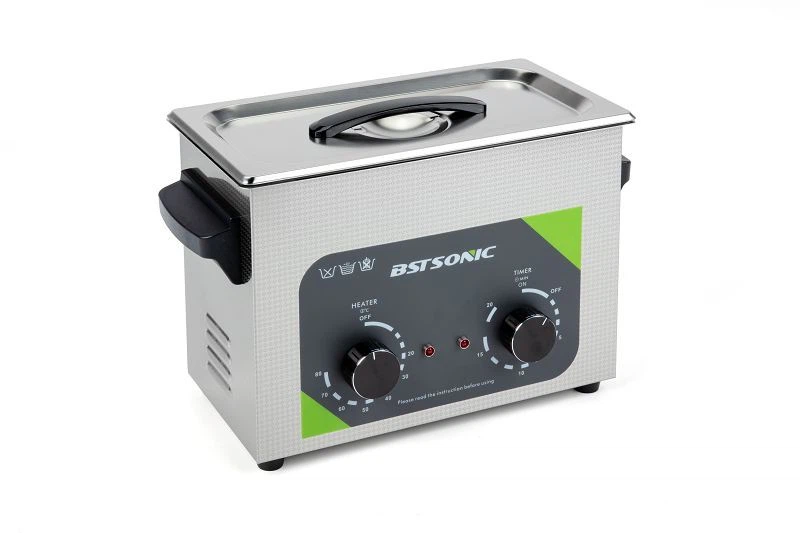
Step 4: Dry the Cleaner
Use a dry cloth to dry the interior of the cleaner completely. Leaving the cleaner wet can promote the growth of mold and mildew, which can also cause problems.
Additional Tips for Maintaining Your Ultrasonic Cleaner
- Use the Right Cleaning Solution: Always use a cleaning solution that is recommended for use with ultrasonic cleaners. Some solutions are specifically designed for cleaning musical instruments, while others are better suited for other types of items, such as Ultrasonic Cleaner for Injector. Using the wrong solution can not only affect the cleaning results but also damage the cleaner.
- Follow the Manufacturer's Instructions: Each ultrasonic cleaner may have specific maintenance requirements. Make sure to read and follow the manufacturer's instructions carefully to ensure that you are using and maintaining the cleaner correctly.
- Inspect the Cleaner Regularly: Periodically inspect the cleaner for any signs of damage or wear. Check the power cord, the transducer, and the control panel for any issues. If you notice any problems, contact the manufacturer or a professional technician for assistance.
Conclusion
In conclusion, cleaning the ultrasonic cleaner after using it for harmonica cleaning is highly recommended. It helps to prevent cross - contamination, maintain cleaning efficiency, and extend the lifespan of the cleaner. By following the simple cleaning steps outlined above and implementing the additional maintenance tips, you can ensure that your ultrasonic cleaner continues to provide excellent cleaning results for years to come.
If you are interested in purchasing a high - quality Harmonica Ultrasonic Cleaner or have any questions about our products, please feel free to contact us for procurement discussions. We are committed to providing you with the best products and services to meet your cleaning needs.
References
- "Ultrasonic Cleaning Technology: Principles and Applications" by John Doe
- Manufacturer's Manual for Harmonica Ultrasonic Cleaners