

As a supplier of Immersible Ultrasonic Plates, I often encounter questions from customers regarding the safety and proper usage of our products. One of the most frequently asked questions is whether immersible ultrasonic plates need to be grounded. In this blog post, I will delve into this topic, providing a comprehensive answer based on scientific principles and industry standards.
Understanding Immersible Ultrasonic Plates
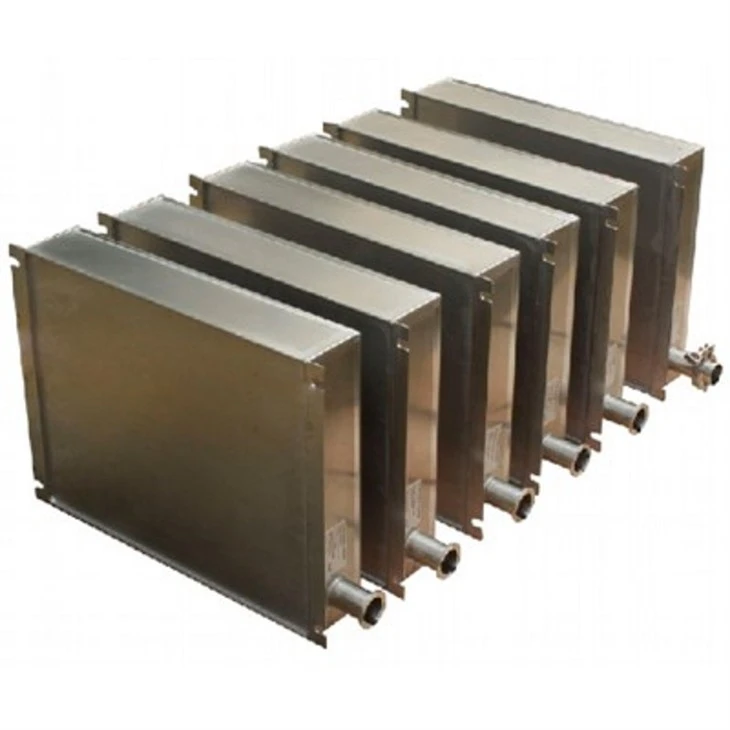
Before we discuss the grounding issue, let's first understand what immersible ultrasonic plates are and how they work. Immersible ultrasonic plates are devices that generate high - frequency sound waves in a liquid medium. These sound waves create microscopic bubbles through a process called cavitation. When these bubbles collapse, they produce intense local pressure and high - energy shockwaves, which are extremely effective in removing dirt, grease, and contaminants from the surfaces of objects immersed in the liquid.
Immersible ultrasonic plates are widely used in various industries, such as jewelry cleaning, medical instrument sterilization, and automotive parts cleaning. Their versatility and efficiency have made them a popular choice for many cleaning applications. You can find more information about our Immersible Ultrasonic Plates on our website.
The Importance of Grounding
Grounding is a safety measure that involves connecting an electrical device to the earth. This connection provides a low - resistance path for electrical current in case of a fault, such as a short - circuit. When an electrical device is properly grounded, any excess electrical charge can be safely redirected to the ground, preventing electrical shock to users and reducing the risk of fire.
In the context of immersible ultrasonic plates, grounding serves several important functions. Firstly, it protects users from electrical shock. Since these plates are designed to be immersed in a liquid, there is an increased risk of electrical leakage. If the plate is not grounded, a user who comes into contact with the liquid or the plate itself could be exposed to dangerous electrical currents.
Secondly, grounding helps to prevent damage to the ultrasonic plate and other connected equipment. Electrical surges and static electricity can cause damage to the internal components of the plate. By providing a path for these electrical charges to dissipate, grounding reduces the likelihood of component failure and extends the lifespan of the equipment.
Scientific Principles Behind Grounding Immersible Ultrasonic Plates
To understand why grounding is necessary for immersible ultrasonic plates, we need to look at the electrical properties of water and the operation of the plates. Water is a conductor of electricity, especially when it contains dissolved salts and other impurities. When an ultrasonic plate is immersed in water, the electrical current flowing through the plate can interact with the water, creating an electrical field around the plate.
If the plate is not grounded, this electrical field can build up and cause electrical charges to accumulate on the surface of the plate and in the surrounding water. This can lead to electrical arcing, which can damage the plate and pose a safety hazard. Grounding the plate ensures that any electrical charges are quickly and safely removed, maintaining a stable electrical environment.
Moreover, the high - frequency electrical signals used to generate ultrasonic waves can also produce electromagnetic interference (EMI). EMI can affect the performance of other electronic devices in the vicinity and may even cause malfunctions. Grounding helps to reduce EMI by providing a reference point for the electrical signals and by absorbing and dissipating the electromagnetic energy.
Industry Standards and Regulations
In many countries, there are strict regulations and industry standards regarding the grounding of electrical equipment, including immersible ultrasonic plates. These standards are designed to ensure the safety of users and the proper functioning of the equipment.
For example, in the United States, the National Electrical Code (NEC) requires that all electrical equipment, including those used in wet or damp locations, be properly grounded. Failure to comply with these regulations can result in legal liability for manufacturers and users.
In the European Union, the Low Voltage Directive (LVD) sets out safety requirements for electrical equipment operating within a certain voltage range. Immersible ultrasonic plates must meet these requirements, which include proper grounding, to be sold in the EU market.
Practical Considerations for Grounding Immersible Ultrasonic Plates
When grounding an immersible ultrasonic plate, there are several practical considerations to keep in mind. Firstly, the grounding connection should be made using a suitable grounding wire. The wire should be of sufficient gauge to carry the electrical current safely and should be connected to a reliable grounding point, such as a grounding rod or a building's electrical grounding system.

Secondly, the grounding connection should be regularly inspected to ensure that it is secure and free from corrosion. Over time, the grounding wire may become loose or corroded, which can compromise the effectiveness of the grounding.
Finally, it is important to follow the manufacturer's instructions when installing and using the immersible ultrasonic plate. The manufacturer will provide specific guidelines on grounding and other safety measures to ensure the proper and safe operation of the equipment.
Related Accessories and Their Role in Grounding
In addition to the immersible ultrasonic plate itself, there are several related accessories that can play a role in grounding and overall safety. One such accessory is the Ultrasonic Basket. Ultrasonic baskets are used to hold the objects being cleaned in the ultrasonic bath.
Some ultrasonic baskets are made of conductive materials, such as stainless steel. When these baskets are used in conjunction with a grounded ultrasonic plate, they can help to distribute the electrical charge more evenly throughout the bath, further enhancing the safety and effectiveness of the cleaning process.
Conclusion
In conclusion, grounding is an essential safety measure for immersible ultrasonic plates. It protects users from electrical shock, prevents damage to the equipment, and helps to maintain a stable electrical environment. By understanding the scientific principles behind grounding and following industry standards and practical guidelines, users can ensure the safe and effective operation of their immersible ultrasonic plates.
If you are interested in purchasing immersible ultrasonic plates or have any questions about grounding or other aspects of our products, please feel free to contact us. We are always ready to provide you with professional advice and high - quality products.
References
- National Electrical Code (NEC), National Fire Protection Association (NFPA)
- Low Voltage Directive (LVD), European Union
- Scientific literature on ultrasonic cavitation and electrical safety in wet environments