

As a supplier of ultrasonic PCB cleaners, I've received numerous inquiries about the performance of these devices in high - humidity environments. This is a crucial question, especially for industries operating in regions with high moisture levels or those exposed to humid conditions during the manufacturing process. In this blog, I'll delve into the science behind ultrasonic PCB cleaners and their effectiveness in high - humidity settings.
How Ultrasonic PCB Cleaners Work
Before discussing their performance in high - humidity environments, it's essential to understand how ultrasonic PCB cleaners function. These cleaners rely on the principle of ultrasonic cavitation. When an ultrasonic transducer is immersed in a cleaning solution, it emits high - frequency sound waves. These waves create alternating high - and low - pressure cycles in the liquid. During the low - pressure phase, tiny bubbles, or cavities, form in the liquid. When these bubbles reach a critical size, they collapse violently during the high - pressure phase. This collapse generates intense shockwaves that can dislodge dirt, grease, and other contaminants from the surface of the PCB.
The cleaning process is highly effective because it can reach into small crevices and hard - to - reach areas on the PCB. The shockwaves can break down even stubborn contaminants, ensuring a thorough cleaning.
Impact of High Humidity on Ultrasonic PCB Cleaners
High humidity can have several effects on ultrasonic PCB cleaners and the cleaning process.
Effect on the Cleaning Solution
One of the primary concerns is the impact on the cleaning solution. In a high - humidity environment, the cleaning solution can absorb moisture from the air. This dilution can change the chemical properties of the solution, potentially reducing its cleaning effectiveness. For example, if the solution contains detergents or solvents, the increased water content can lower their concentration, making it more difficult to break down contaminants.
Moreover, the presence of excess moisture can also lead to the growth of mold and bacteria in the cleaning solution over time. This not only affects the quality of the cleaning but can also pose a risk to the PCBs being cleaned.
Effect on the Ultrasonic Transducer
The ultrasonic transducer is a critical component of the cleaner. High humidity can cause corrosion and oxidation of the transducer's surface. This can reduce its efficiency in generating ultrasonic waves, leading to a decrease in the cavitation effect. As a result, the cleaning power of the device may be compromised.

In addition, moisture can seep into the electrical connections of the transducer, causing short - circuits or other electrical problems. This can not only damage the transducer but also pose a safety hazard.
Effect on the PCBs
High humidity can also have a direct impact on the PCBs being cleaned. PCBs are sensitive to moisture, and prolonged exposure to high humidity can cause corrosion of the metal components on the board. This can lead to electrical failures and reduce the lifespan of the PCB.
During the cleaning process, if the PCBs are not dried properly after being cleaned in a high - humidity environment, there is a risk of moisture remaining on the board. This can attract dust and other contaminants, undoing the cleaning work and potentially causing further damage.
Mitigating the Effects of High Humidity
Despite the challenges posed by high humidity, there are several strategies that can be employed to ensure the effective operation of ultrasonic PCB cleaners in such environments.
Proper Maintenance of the Cleaning Solution
To counteract the dilution of the cleaning solution, regular monitoring and adjustment of its concentration are necessary. This can be done by using chemical testing kits to measure the concentration of the active ingredients in the solution. If the concentration is too low, additional cleaning agents can be added to restore its effectiveness.
It's also important to change the cleaning solution regularly to prevent the growth of mold and bacteria. A proper filtration system can be installed to remove any debris and contaminants from the solution, extending its useful life.
Protection of the Ultrasonic Transducer
To protect the ultrasonic transducer from high humidity, it can be coated with a protective layer, such as a waterproof paint or a corrosion - resistant material. This can prevent moisture from coming into direct contact with the transducer's surface.
Regular inspection of the transducer's electrical connections is also crucial. Any signs of corrosion or damage should be addressed immediately. If necessary, the connections can be cleaned and coated with a conductive grease to prevent further corrosion.
Drying the PCBs
After cleaning, it's essential to dry the PCBs thoroughly. This can be done using a hot - air dryer or an oven set at a low temperature. Ensuring that the PCBs are completely dry before storing or using them can prevent moisture - related damage.
Our Solutions for High - Humidity Environments
At our company, we understand the challenges of using ultrasonic PCB cleaners in high - humidity environments. That's why we offer a range of products designed to address these issues.
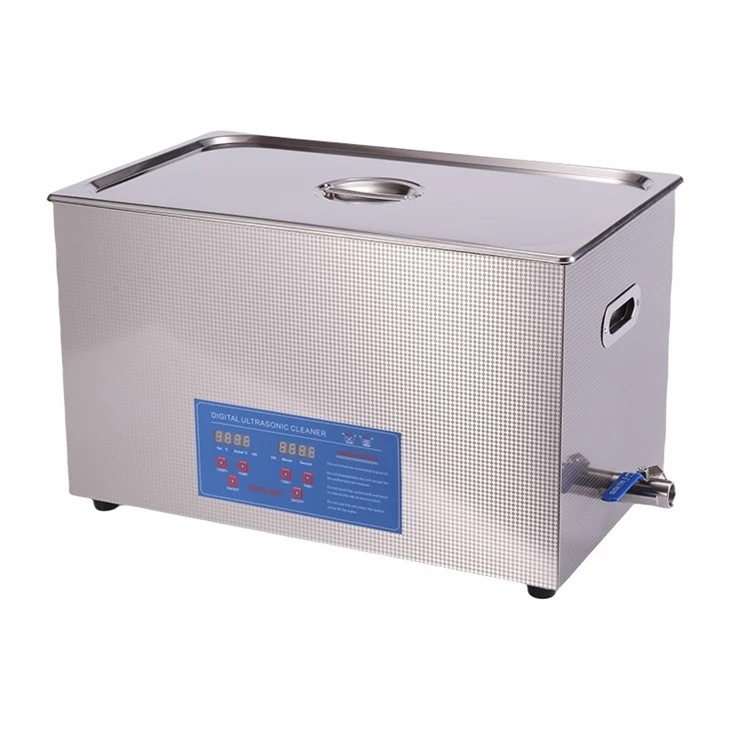
Our Record Ultrasonic Cleaner is equipped with advanced features to ensure reliable performance in high - humidity conditions. It has a sealed design to prevent moisture from entering the internal components, and its cleaning solution management system allows for easy monitoring and adjustment of the solution concentration.
The Ultrasonic Semiconductor Parts Cleaner is specifically designed for cleaning sensitive semiconductor components, which are often used in high - humidity environments. It uses high - quality ultrasonic transducers that are resistant to corrosion and oxidation, ensuring long - term reliability.
Our Ultrasonic Cleaner With Drain makes it easy to change the cleaning solution regularly, reducing the risk of contamination and ensuring optimal cleaning performance.
Conclusion
In conclusion, while high humidity can pose challenges to ultrasonic PCB cleaners, with proper maintenance and the right equipment, these cleaners can still work effectively in such environments. By understanding the potential impacts of high humidity and implementing appropriate mitigation strategies, industries can ensure the longevity and performance of their ultrasonic PCB cleaners.
If you're facing challenges with cleaning PCBs in a high - humidity environment or are looking for a reliable ultrasonic PCB cleaner, we're here to help. Our team of experts can provide you with customized solutions based on your specific needs. Contact us to discuss your requirements and explore how our products can meet your cleaning challenges.
References
- "Ultrasonic Cleaning Technology: Principles and Applications" - A technical guide on the principles and applications of ultrasonic cleaning.
- "Effects of Environmental Conditions on Electronic Components" - A research paper discussing the impact of humidity and other environmental factors on electronic components.
- "Maintenance and Troubleshooting of Ultrasonic Cleaning Equipment" - A manual providing guidelines on maintaining and troubleshooting ultrasonic cleaning equipment.