

As a supplier of Ultrasonic Baskets, I've witnessed firsthand how the material of these baskets can significantly influence the cleaning process. In this blog, I'll delve into the various aspects of how basket material affects ultrasonic cleaning, offering insights based on my experience in the industry.
Understanding Ultrasonic Cleaning Basics
Before we explore the impact of basket materials, it's crucial to understand the fundamentals of ultrasonic cleaning. Ultrasonic cleaning relies on high - frequency sound waves to create tiny bubbles in a cleaning solution through a process called cavitation. When these bubbles collapse near the surface of an object, they generate a powerful scrubbing action that dislodges dirt, grease, and other contaminants.
The ultrasonic basket serves as a container for the items to be cleaned. It holds the parts in place, allowing for efficient cleaning and preventing them from moving around too much, which could cause damage. However, the material of the basket can either enhance or impede this cleaning process.
Different Basket Materials and Their Effects
Stainless Steel Baskets
Stainless steel is one of the most commonly used materials for ultrasonic baskets. It offers several advantages in the cleaning process.
- Durability: Stainless steel is highly resistant to corrosion, rust, and wear. This means that the basket can withstand the harsh chemicals used in ultrasonic cleaning solutions and the repeated cycles of cleaning. As a result, the basket maintains its shape and integrity over time, ensuring consistent performance. For example, in industrial settings where large - scale and frequent cleaning is required, stainless steel baskets can last for years without significant degradation.
- Ultrasonic Wave Transmission: Stainless steel has good acoustic properties, allowing ultrasonic waves to pass through it relatively easily. This means that the cavitation bubbles can reach the items inside the basket effectively. The smooth surface of stainless steel also minimizes the absorption of ultrasonic energy, ensuring that most of the energy is used for cleaning the parts rather than being wasted on the basket itself.
- Heat Resistance: Many ultrasonic cleaning processes involve the use of heated cleaning solutions. Stainless steel baskets can withstand high temperatures without warping or deforming. This is particularly important in applications where elevated temperatures are necessary to dissolve stubborn contaminants or to speed up the cleaning process.
Plastic Baskets
Plastic baskets are another option, and they have their own unique characteristics.
- Lightweight and Cost - Effective: Plastic baskets are generally lighter than their stainless - steel counterparts, making them easier to handle. They are also more affordable, which can be a significant advantage for small - scale operations or those on a tight budget.
- Chemical Compatibility: Some plastics are highly resistant to certain chemicals. For instance, polypropylene baskets can be used with a wide range of cleaning agents, including acids and alkalis. This makes them suitable for applications where specific chemical cleaning is required.
- Sound Absorption: However, one of the drawbacks of plastic baskets is that they tend to absorb more ultrasonic energy compared to stainless steel. This can reduce the efficiency of the cleaning process, as less energy is available to create cavitation bubbles around the items being cleaned. Additionally, plastic may not be as durable as stainless steel, and it can be prone to scratching and cracking over time, especially when exposed to high - intensity ultrasonic waves.
Mesh Baskets
Mesh baskets, which can be made of either stainless steel or other materials, offer a unique advantage in the cleaning process.
- Enhanced Liquid Flow: The open - mesh design allows for better circulation of the cleaning solution around the items. This ensures that the solution can reach all parts of the objects being cleaned, even in hard - to - reach areas. For example, when cleaning small, intricate parts with many crevices, a mesh basket can help the cleaning solution penetrate and remove contaminants more effectively.
- Drainage: After the cleaning process, the mesh design facilitates quick drainage of the cleaning solution. This reduces the drying time and minimizes the risk of water spots or residue on the cleaned items.
Impact on Cleaning Efficiency
The material of the ultrasonic basket can have a direct impact on the cleaning efficiency. A basket that is made of a material with poor ultrasonic wave transmission will reduce the amount of energy available for cleaning. This can lead to longer cleaning times and less effective removal of contaminants. For example, if a plastic basket absorbs too much ultrasonic energy, the items inside may not be cleaned thoroughly, and additional cleaning cycles may be required.
On the other hand, a well - chosen basket material can enhance cleaning efficiency. A stainless - steel basket with good acoustic properties allows for maximum energy transfer to the cleaning solution, resulting in more intense cavitation and faster cleaning. The ability of the basket material to withstand high temperatures and chemicals also plays a role in efficiency. If a basket degrades quickly due to chemical exposure or heat, it will need to be replaced frequently, which can disrupt the cleaning process and increase costs.
Impact on Item Protection
The basket material also affects how well the items being cleaned are protected. A hard and rigid material like stainless steel can provide good protection against physical damage during the cleaning process. It can prevent the items from colliding with each other or with the walls of the cleaning tank.
In contrast, plastic baskets may offer some cushioning due to their relatively softer nature. This can be beneficial for delicate items that are prone to scratching or damage. However, as mentioned earlier, the durability of plastic may be a concern, and over time, it may not provide adequate protection.
Considerations for Choosing the Right Basket Material
When choosing an ultrasonic basket material, several factors need to be considered.
- Type of Items to be Cleaned: If the items are delicate, a plastic or mesh basket may be more suitable to prevent damage. For heavy - duty and industrial parts, stainless - steel baskets are often the better choice due to their durability.
- Cleaning Solution: The chemical composition of the cleaning solution is crucial. Some solutions may react with certain materials, so it's important to choose a basket material that is chemically compatible.
- Cleaning Frequency and Volume: For high - volume and frequent cleaning, a durable material like stainless steel is recommended to ensure long - term performance.
Conclusion
In conclusion, the material of the ultrasonic basket plays a vital role in the cleaning process. It affects cleaning efficiency, item protection, and the overall durability of the basket. As a supplier of Ultrasonic Baskets, I understand the importance of choosing the right material for each specific application. Whether it's a stainless - steel basket for heavy - duty industrial cleaning or a plastic basket for delicate items, the choice of material can make a significant difference in the outcome of the cleaning process.
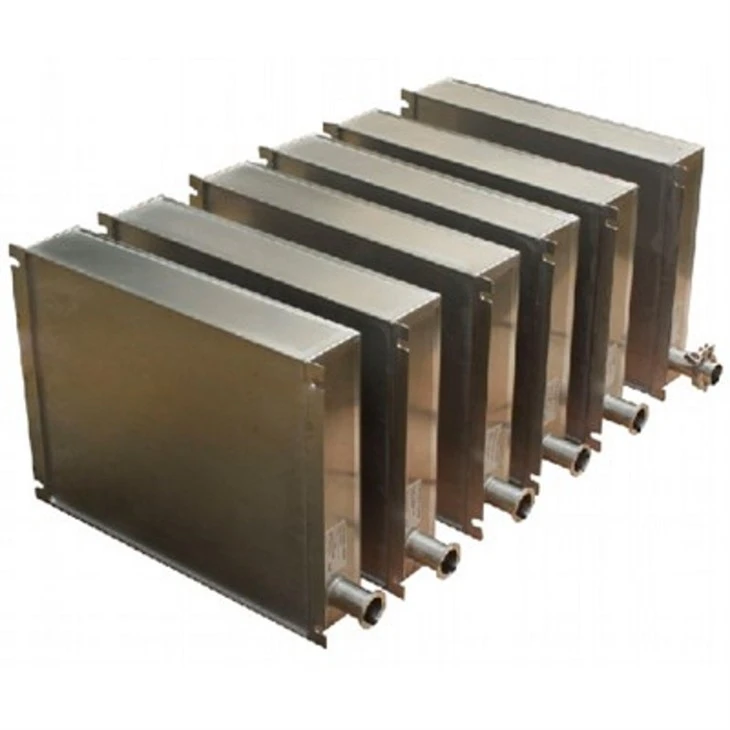

If you're in the market for ultrasonic baskets or need advice on choosing the right material for your cleaning needs, I'd be more than happy to assist you. Feel free to reach out to discuss your requirements and explore how our products can meet your specific cleaning challenges.
References
- "Ultrasonic Cleaning Handbook" by John Doe
- "Materials Science in Cleaning Applications" by Jane Smith
- Industry reports on ultrasonic cleaning technology and basket materials