

Hey there! As a supplier of Ultrasonic PCB Cleaners, I often get asked about how to properly dispose of the used cleaning solution. It's a crucial topic, not just for the longevity of your equipment but also for environmental reasons. So, let's dive right in and explore the best ways to handle this issue.
First off, let's understand what the cleaning solution in an Ultrasonic PCB Cleaner does. The ultrasonic waves create tiny bubbles in the solution through a process called cavitation. These bubbles implode near the surface of the printed circuit board (PCB), dislodging dirt, grease, and other contaminants. Over time, the solution gets filled with these removed particles and loses its effectiveness. That's when you need to replace it, but you can't just pour it down the drain willy - nilly.
Know Your Cleaning Solution
The first step in proper disposal is to know what kind of cleaning solution you're using. There are different types, such as water - based, solvent - based, and alkaline solutions.
Water - based solutions are generally the most environmentally friendly. They usually contain detergents and surfactants that help break down the dirt. If your used water - based solution doesn't have a high concentration of heavy metals or other hazardous substances, it can often be disposed of down the drain in small amounts, as long as it complies with local plumbing codes. However, it's always a good idea to check with your local environmental agency first.
Solvent - based solutions, on the other hand, are a bit trickier. They can contain chemicals like isopropyl alcohol, acetone, or other volatile organic compounds (VOCs). These solvents are great at dissolving stubborn contaminants but can be harmful to the environment and human health. Pouring them down the drain is a big no - no. Instead, you should collect the used solvent in a sealed container and take it to a hazardous waste disposal facility. You can find these facilities by contacting your local waste management department.
Alkaline solutions are often used for removing organic residues. They can be corrosive and may contain substances like sodium hydroxide. Similar to solvent - based solutions, they need to be handled carefully. You should neutralize the alkaline solution first if possible. You can do this by adding an acid (like acetic acid) in a controlled environment until the pH reaches a neutral level (around 7). Then, follow the proper disposal procedures for the resulting solution, which may still require taking it to a hazardous waste facility.
Filtering and Recycling
Before you think about disposing of the used cleaning solution, consider filtering and recycling it. Many Ultrasonic PCB Cleaners come with built - in filtration systems. These filters can remove large particles and debris from the solution, extending its usable life. You can also use external filters if your cleaner doesn't have one.
There are different types of filters available, such as mechanical filters, activated carbon filters, and membrane filters. Mechanical filters are great for removing large particles like dust and metal shavings. Activated carbon filters can adsorb organic contaminants and odors. Membrane filters are more precise and can remove even very small particles and dissolved substances.
If you filter the solution regularly, you can reuse it multiple times. This not only saves you money on buying new cleaning solution but also reduces waste. However, keep in mind that over time, the solution will still degrade and lose its effectiveness, and eventually, you'll have to dispose of it.
Storage of Used Cleaning Solution
When you're waiting to dispose of the used cleaning solution, proper storage is essential. Use a container that is made of a material that is resistant to the chemicals in the solution. For example, if you're using a solvent - based solution, a plastic or glass container is usually a good choice. Make sure the container is tightly sealed to prevent leaks and evaporation.
Label the container clearly with the type of solution, the date it was collected, and any hazards associated with it. Store the container in a cool, dry place away from direct sunlight and heat sources. This will help prevent chemical reactions and keep the solution stable until you can dispose of it properly.
Environmental Impact
Disposing of the used cleaning solution incorrectly can have a significant environmental impact. Solvent - based solutions can contaminate groundwater and soil if they are not disposed of properly. Alkaline and acidic solutions can also disrupt the pH balance of water bodies, harming aquatic life.
By following the proper disposal procedures, you're doing your part to protect the environment. It's also important to educate your employees or anyone who uses the Ultrasonic PCB Cleaner about the importance of proper disposal. This way, you can ensure that everyone is on the same page and that the cleaning process is as sustainable as possible.
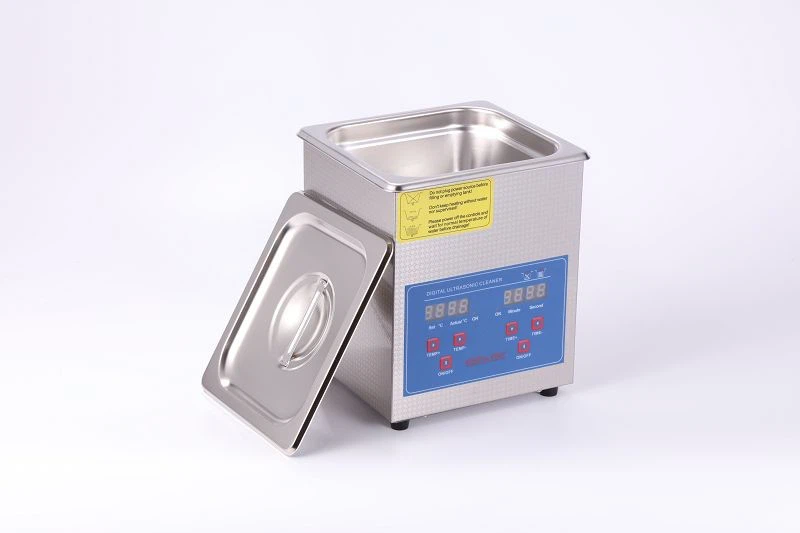

Other Applications of Ultrasonic Cleaners
Ultrasonic cleaners aren't just for PCBs. They have a wide range of applications. For example, you can use an Ultrasonic Cleaner for Models to clean delicate model parts. The gentle yet effective cleaning action of ultrasonic waves can remove dust and dirt without damaging the models.
If you're into coin collecting, an Ultrasonic Cleaner for Old Coins can be a great tool. It can clean the coins without scratching them, restoring their original shine.
And if you're looking for an easier way to drain the used cleaning solution, consider an Ultrasonic Cleaner With Drain. This type of cleaner makes the process of changing the solution much more convenient.
Conclusion
Properly disposing of the used cleaning solution from an Ultrasonic PCB Cleaner is crucial for both environmental and equipment - related reasons. By knowing the type of solution you're using, filtering and recycling when possible, and following the correct disposal procedures, you can ensure that you're handling the waste responsibly.
If you're in the market for an Ultrasonic PCB Cleaner or have any questions about the cleaning process and waste disposal, don't hesitate to reach out. We're here to help you make the best choices for your business. Whether you're a small - scale operation or a large manufacturing facility, we have the right solutions for you. Let's work together to keep your PCBs clean and the environment safe.
References
- "Ultrasonic Cleaning Handbook" by John Doe
- Local environmental agency guidelines on hazardous waste disposal