

As a supplier of Single - Tank Ultrasonic Cleaners, I've encountered numerous customers facing various issues with these devices. In this blog, I'll delve into the common problems associated with single - tank ultrasonic cleaners and offer practical solutions.
1. Insufficient Cleaning Power
One of the most prevalent problems users face is the cleaner not providing adequate cleaning results. This can manifest as stubborn dirt or contaminants remaining on the items after a cleaning cycle.
Possible Causes
- Incorrect Frequency Setting: Ultrasonic cleaners operate at different frequencies, and each frequency is suitable for specific types of dirt and items. If the frequency is set too high or too low for the task at hand, the cleaning effect will be compromised. For example, a high - frequency setting is better for delicate items and removing fine particles, while a lower frequency is more effective for heavy - duty cleaning of larger contaminants.
- Low Ultrasonic Power Output: Over time, the ultrasonic transducers in the cleaner may degrade, leading to a reduced power output. This can be due to normal wear and tear, improper maintenance, or electrical issues.
- Inadequate Cleaning Solution: Using the wrong type of cleaning solution or an insufficient amount can also result in poor cleaning performance. Some cleaning solutions are formulated for specific materials or types of dirt, and using an inappropriate one may not break down the contaminants effectively.
Solutions
- Adjust the Frequency: Refer to the user manual to determine the optimal frequency for the items you are cleaning. Experiment with different frequencies if necessary to find the best setting for your specific cleaning task.
- Check and Replace Transducers: If you suspect that the ultrasonic transducers are the problem, have them inspected by a professional. In some cases, they may need to be replaced to restore the full cleaning power of the device.
- Use the Right Cleaning Solution: Select a cleaning solution that is compatible with the materials of the items you are cleaning and the type of dirt you need to remove. Follow the manufacturer's instructions regarding the amount of solution to use.
2. Noise and Vibration Issues
Excessive noise and vibration during the operation of a single - tank ultrasonic cleaner can be a nuisance and may even indicate underlying problems.
Possible Causes
- Loose Components: Over time, the internal components of the cleaner may become loose due to vibration or normal wear. This can cause rattling noises and increased vibration levels.
- Improper Placement: Placing the cleaner on an uneven or unstable surface can lead to excessive vibration and noise. The cleaner needs to be placed on a flat, sturdy surface to operate smoothly.
- Worn - out Mounting Pads: The mounting pads that support the cleaner can wear out over time, reducing their ability to absorb vibration.
Solutions
- Tighten Loose Components: Open the cleaner (if possible and following safety procedures) and check for any loose screws, bolts, or other components. Tighten them as needed to reduce noise and vibration.
- Ensure Proper Placement: Move the cleaner to a flat, stable surface. You can also place a rubber mat or anti - vibration pad under the cleaner to further reduce vibration.
- Replace Mounting Pads: If the mounting pads are worn out, replace them with new ones. This can significantly reduce vibration and noise levels.
3. Heating Problems
Some users may notice that the cleaning solution in the single - tank ultrasonic cleaner gets too hot during operation, which can be a concern for both the cleaner and the items being cleaned.

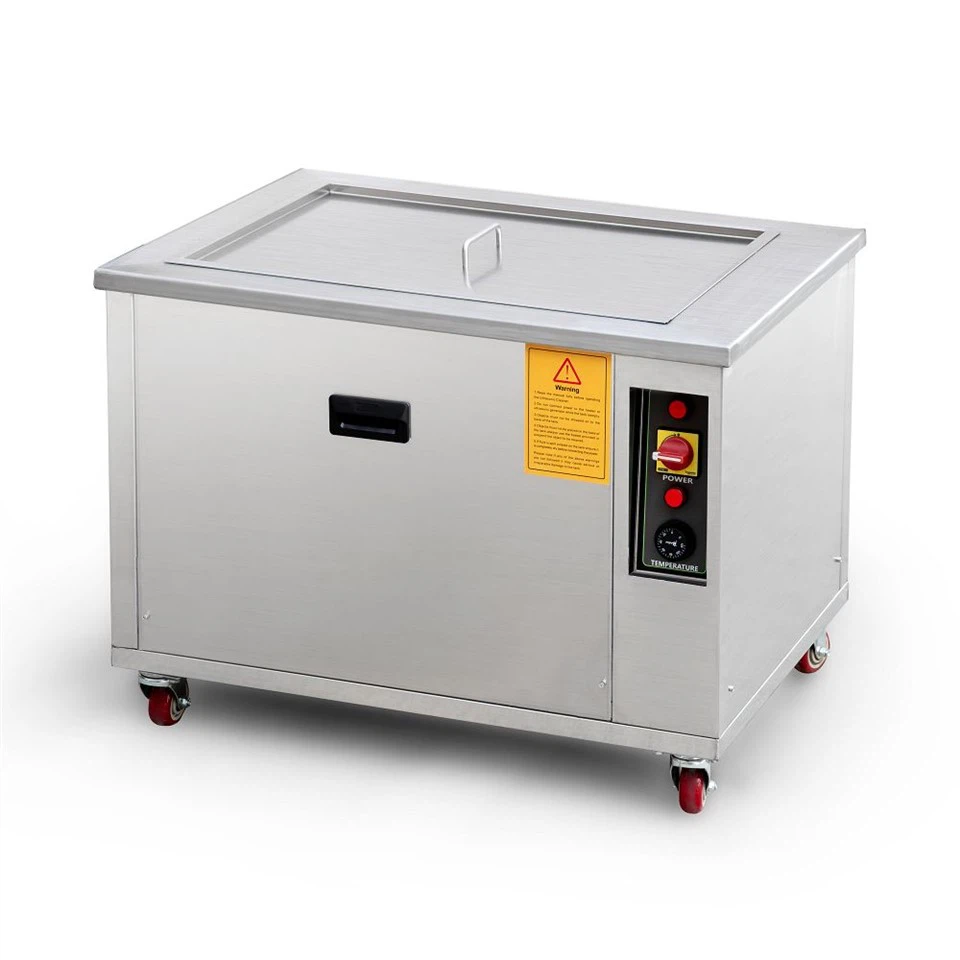
Possible Causes
- Overuse: Running the cleaner for extended periods without giving it a break can cause the cleaning solution to heat up. Ultrasonic cleaners generate heat as a by - product of the ultrasonic waves, and continuous operation can lead to excessive heating.
- Faulty Temperature Control: The temperature control system in the cleaner may malfunction, causing the solution to overheat. This could be due to a faulty thermostat or other electrical components.
- High Ambient Temperature: If the cleaner is placed in a hot environment, the ambient temperature can contribute to the heating of the cleaning solution.
Solutions
- Limit Operation Time: Follow the manufacturer's guidelines regarding the maximum continuous operation time of the cleaner. Allow the cleaner to cool down between cleaning cycles to prevent overheating.
- Check and Repair Temperature Control: If you suspect a problem with the temperature control system, have it inspected by a professional. They can diagnose and repair any faulty components.
- Improve the Environment: Move the cleaner to a cooler location or provide additional ventilation to reduce the ambient temperature around the device.
4. Leakage Issues
Leakage of the cleaning solution from the single - tank ultrasonic cleaner can be a serious problem, as it can damage the surrounding area and reduce the effectiveness of the cleaning process.
Possible Causes
- Cracks or Holes in the Tank: Over time, the tank of the cleaner may develop cracks or holes due to physical damage or chemical corrosion. This can cause the cleaning solution to leak out.
- Faulty Seals: The seals around the tank, such as the lid seal or the drain valve seal, may become worn or damaged, allowing the solution to escape.
- Overfilling: Filling the tank beyond its maximum capacity can cause the solution to spill out, especially during the operation of the cleaner when there is movement and agitation.
Solutions
- Inspect and Repair the Tank: Check the tank for any visible cracks or holes. If found, depending on the severity, you may be able to repair the tank using a suitable epoxy or sealant. In some cases, a new tank may need to be installed.
- Replace Faulty Seals: Identify the source of the leakage and replace the worn or damaged seals. Make sure to use high - quality replacement seals to prevent future leakage.
- Follow Filling Guidelines: Do not overfill the tank. Refer to the user manual for the recommended maximum filling level and follow it carefully.
5. Electrical Problems
Electrical issues can pose a safety risk and prevent the single - tank ultrasonic cleaner from functioning properly.
Possible Causes
- Faulty Power Cord: The power cord may be damaged, frayed, or have loose connections, which can cause intermittent power supply or electrical shorts.
- Malfunctioning Control Panel: The control panel of the cleaner may develop problems, such as unresponsive buttons or inaccurate display readings. This can be due to electrical component failure or software glitches.
- Internal Wiring Issues: Over time, the internal wiring of the cleaner may become loose, damaged, or corroded, leading to electrical problems.
Solutions
- Inspect and Replace Power Cord: Check the power cord for any visible damage. If found, replace the power cord with a new one that is compatible with the cleaner.
- Repair or Replace the Control Panel: If there are problems with the control panel, have it inspected by a professional. They can either repair the faulty components or replace the entire control panel if necessary.
- Check and Repair Internal Wiring: Open the cleaner (only if you have the necessary skills and following safety procedures) and check the internal wiring for any issues. Tighten loose connections, repair damaged wires, or replace corroded parts.
Conclusion
In conclusion, while single - tank ultrasonic cleaners are highly effective cleaning tools, they can encounter several common problems. By understanding the possible causes and solutions for these issues, users can ensure the optimal performance and longevity of their cleaners.
If you are experiencing any of these problems with your single - tank ultrasonic cleaner or are interested in purchasing a new one, we are here to help. As a leading supplier of Single - Tank Ultrasonic Cleaner, we also offer Customized Ultrasonic Cleaner and Professional Ultrasonic Cleaner to meet your specific needs. Contact us for more information and to discuss your procurement requirements. We look forward to assisting you in finding the perfect ultrasonic cleaning solution.
References
- Manufacturer's user manuals for single - tank ultrasonic cleaners.
- Industry reports on ultrasonic cleaning technology and common issues.