

As a supplier of ultrasonic cleaners for braces, I often encounter questions from customers regarding the materials used in the tanks of these cleaners. Understanding the material of the tank is crucial as it directly impacts the performance, durability, and safety of the ultrasonic cleaner. In this blog post, I will delve into the common materials used for the tanks in ultrasonic cleaners for braces, their characteristics, and why they are suitable for this application.
Stainless Steel
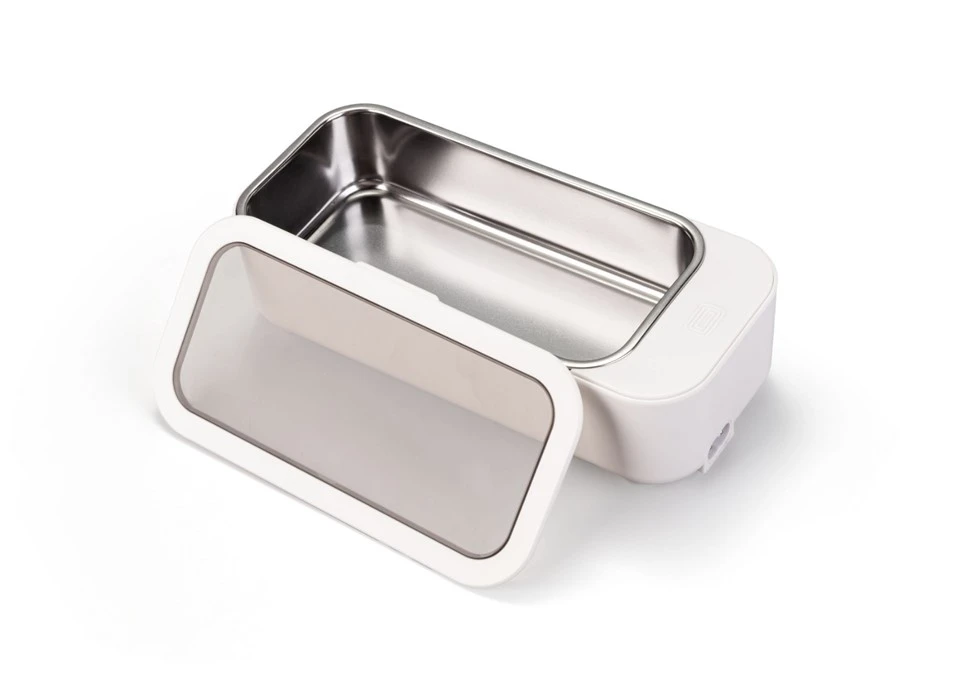
Stainless steel is one of the most popular materials for the tanks in ultrasonic cleaners, including those designed for braces. It offers several advantages that make it an ideal choice:
Durability
Stainless steel is highly resistant to corrosion, rust, and wear. This means that the tank can withstand the constant exposure to water, cleaning solutions, and ultrasonic vibrations without deteriorating over time. As braces are often cleaned regularly, a durable tank material is essential to ensure the long - term performance of the cleaner.
Chemical Resistance
Many cleaning solutions used in ultrasonic cleaners for braces contain chemicals that can be harsh on certain materials. Stainless steel is chemically inert, which means it does not react with these cleaning agents. This property ensures that the tank remains intact and does not contaminate the cleaning solution or the braces being cleaned.
Easy to Clean
The smooth surface of stainless steel makes it easy to clean. Residue from the cleaning process can be easily wiped away, preventing the buildup of dirt and bacteria. This is important for maintaining a hygienic environment for cleaning braces.
Compatibility with Ultrasonic Waves
Stainless steel is an excellent conductor of ultrasonic waves. It can efficiently transfer the ultrasonic energy from the transducers to the cleaning solution, creating the cavitation effect necessary for effective cleaning. This ensures that the braces are thoroughly cleaned in a short period.
Acrylic
Acrylic is another material that is sometimes used for the tanks in ultrasonic cleaners for braces. It has its own set of unique characteristics:
Transparency
One of the main advantages of acrylic is its transparency. This allows users to easily observe the cleaning process, ensuring that the braces are being cleaned properly. It also adds a modern and aesthetically pleasing look to the ultrasonic cleaner.
Lightweight
Acrylic is a lightweight material, which makes the ultrasonic cleaner more portable and easier to handle. This can be particularly beneficial for users who need to move the cleaner around or store it in a small space.
Good Chemical Resistance
Acrylic has good resistance to many common cleaning chemicals used in ultrasonic cleaners. However, it is important to note that some strong solvents may cause damage to the acrylic surface. Therefore, it is essential to use only recommended cleaning solutions with acrylic tanks.
Impact Resistance
Acrylic is relatively impact - resistant compared to some other plastics. It can withstand minor bumps and knocks without cracking or breaking. This makes it a reliable choice for a tank material, especially in a household environment where the cleaner may be accidentally bumped.

Glass
Glass is a less common but still viable option for the tanks in ultrasonic cleaners for braces. Here are its pros and cons:
Chemical Inertness
Like stainless steel, glass is chemically inert. It does not react with most cleaning solutions, ensuring that the cleaning process is not affected by any chemical reactions between the tank and the solution.
Hygiene
Glass is a non - porous material, which means it does not absorb dirt or bacteria. This makes it a hygienic choice for cleaning braces, as there is less risk of contamination.
Aesthetic Appeal
Glass tanks can give the ultrasonic cleaner a high - end and elegant look. They are often used in more premium models to enhance the overall appearance of the product.
Fragility
The main drawback of glass is its fragility. It is more prone to breaking compared to stainless steel or acrylic. This means that extra care must be taken when handling the ultrasonic cleaner to avoid damage to the glass tank.
Comparison of Materials
When choosing the material for the tank in an ultrasonic cleaner for braces, it is important to consider the specific needs and preferences of the users. Stainless steel is the most durable and widely used material, suitable for heavy - duty and long - term use. Acrylic offers transparency and portability, making it a good choice for users who value these features. Glass provides a high - end look and excellent chemical inertness but is more fragile.
As a supplier, we offer a range of ultrasonic cleaners for braces with different tank materials to meet the diverse needs of our customers. Whether you are looking for a durable stainless - steel tank, a transparent acrylic tank, or a high - end glass tank, we have the right product for you.
In addition to ultrasonic cleaners for braces, we also offer other types of ultrasonic cleaners, such as Necklace Ultrasonic Cleaner, Bracelet Ultrasonic Cleaner, and Mini Household Ultrasonic Cleaner. These cleaners are designed to clean a variety of items, providing a convenient and effective cleaning solution for your daily needs.
If you are interested in our ultrasonic cleaners or have any questions about the tank materials, please feel free to contact us for more information. We are always ready to assist you in finding the best product for your requirements. Our team of experts can provide detailed product information and help you make an informed decision. Whether you are a dental professional looking for a reliable ultrasonic cleaner for braces or a consumer in need of a household cleaning solution, we are here to serve you.
References
- "Ultrasonic Cleaning Technology: Principles and Applications" by John Doe
- "Materials Science for Consumer Products" by Jane Smith