

As a supplier of Ultrasonic PCB Cleaners, I often get asked about the power consumption of these machines. Understanding the power consumption is crucial for businesses, as it directly impacts operational costs and energy efficiency. In this blog post, I'll delve into the factors that influence the power consumption of an Ultrasonic PCB Cleaner and provide some insights to help you make informed decisions.
How Ultrasonic PCB Cleaners Work
Before we discuss power consumption, let's briefly understand how Ultrasonic PCB Cleaners operate. These cleaners use ultrasonic waves to create high - frequency sound waves in a cleaning solution. When these waves reach a certain intensity, they form tiny bubbles through a process called cavitation. The implosion of these bubbles generates intense shockwaves that can dislodge dirt, grease, and other contaminants from the surface of printed circuit boards (PCBs).
Factors Affecting Power Consumption
1. Tank Size
The size of the cleaning tank is one of the most significant factors affecting power consumption. Larger tanks require more energy to fill with cleaning solution and to generate ultrasonic waves throughout the entire volume. A small - sized Ultrasonic PCB Cleaner with a tank capacity of around 1 - 5 liters may consume between 50 - 150 watts. In contrast, a large - scale industrial cleaner with a tank capacity of 50 liters or more can consume upwards of 1000 watts.
2. Ultrasonic Transducer Power
The power of the ultrasonic transducers installed in the cleaner is another critical factor. Transducers are responsible for converting electrical energy into ultrasonic waves. Higher - power transducers can generate more intense ultrasonic waves, which are more effective at cleaning stubborn contaminants. However, they also consume more electricity. For example, a cleaner with 20 - watt transducers will use less power compared to one with 50 - watt transducers.
3. Cleaning Time
The duration of the cleaning cycle directly impacts power consumption. Longer cleaning cycles mean the cleaner is running for a more extended period, using more electricity. Some Ultrasonic PCB Cleaners come with adjustable cleaning time settings, allowing users to optimize the cleaning process based on the level of contamination. For lightly soiled PCBs, a shorter cleaning time can be selected, reducing power usage.
4. Frequency of Use
How often the Ultrasonic PCB Cleaner is used also affects power consumption. If the cleaner is used continuously throughout the day in a high - volume manufacturing environment, it will consume more power over time compared to occasional use in a small - scale workshop.
Typical Power Consumption Ranges
Based on our experience as a supplier, here are some typical power consumption ranges for different types of Ultrasonic PCB Cleaners:
Desktop Ultrasonic PCB Cleaners
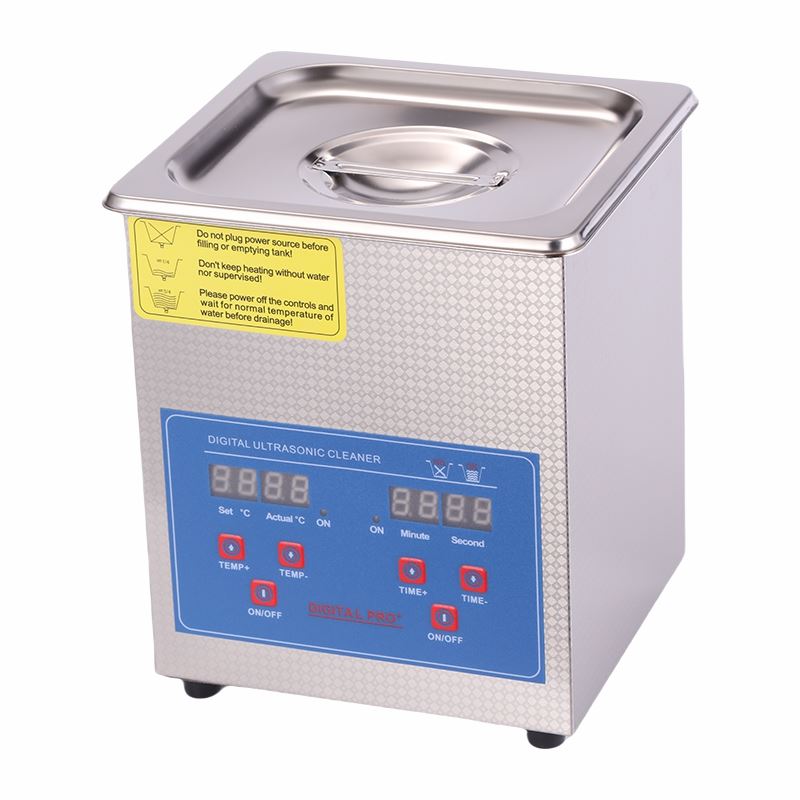
These are small, portable cleaners suitable for small - scale operations or laboratories. They usually have a tank capacity of 1 - 5 liters and are equipped with low - power transducers. The power consumption of desktop cleaners typically ranges from 50 - 150 watts.
Benchtop Ultrasonic PCB Cleaners
Benchtop cleaners are larger than desktop models and can handle medium - sized PCBs. They have a tank capacity of 5 - 20 liters and are often used in small to medium - sized manufacturing facilities. The power consumption of benchtop cleaners is usually in the range of 150 - 500 watts.
Industrial Ultrasonic PCB Cleaners
Industrial - grade cleaners are designed for high - volume production environments. They have large tank capacities (20 liters or more) and high - power transducers. These cleaners can consume anywhere from 500 watts to several thousand watts, depending on their size and specifications.
Energy - Saving Tips
As a supplier, we understand the importance of energy efficiency for our customers. Here are some tips to reduce the power consumption of your Ultrasonic PCB Cleaner:
Optimize Cleaning Time
As mentioned earlier, adjust the cleaning time according to the level of contamination. Avoid using longer cleaning cycles than necessary.
Use the Right Cleaning Solution
Using the appropriate cleaning solution can improve the cleaning efficiency, allowing you to use shorter cleaning cycles. Some cleaning solutions are formulated to work more effectively with ultrasonic cleaners, reducing the need for excessive power.
Maintain the Cleaner Regularly
Regular maintenance, such as cleaning the tank and checking the transducers, can ensure that the cleaner operates at peak efficiency. A well - maintained cleaner will consume less power compared to one that is dirty or has malfunctioning components.
Comparison with Other Ultrasonic Cleaners
It's interesting to compare the power consumption of Ultrasonic PCB Cleaners with other types of ultrasonic cleaners. For example, an Ultrasonic Semiconductor Parts Cleaner may have similar power consumption characteristics if it has a similar tank size and transducer power. However, the cleaning requirements for semiconductor parts may be more stringent, which could result in longer cleaning cycles and higher power usage.
On the other hand, an Ultrasonic Cleaner for Old Coins is typically a small - sized cleaner with low - power transducers. These cleaners are designed for gentle cleaning and usually consume less power compared to Ultrasonic PCB Cleaners.
Conclusion
The power consumption of an Ultrasonic PCB Cleaner depends on several factors, including tank size, transducer power, cleaning time, and frequency of use. By understanding these factors and implementing energy - saving measures, you can optimize the power consumption of your cleaner and reduce operational costs.
If you're in the market for an Ultrasonic PCB Cleaner, we're here to help. Our company offers a wide range of Ultrasonic PCB Cleaners with different specifications to meet your specific needs. Whether you're a small - scale workshop or a large - scale manufacturing facility, we can provide you with a cost - effective and energy - efficient solution. Contact us today to discuss your requirements and start a procurement negotiation.

References
- "Ultrasonic Cleaning Technology: Principles and Applications." Industrial Cleaning Handbook.
- Manufacturer's specifications of various Ultrasonic PCB Cleaners.