

In the realm of precision cleaning, ultrasonic optics parts cleaners have emerged as a cornerstone technology, especially for industries that demand the utmost cleanliness and precision in their optical components. As a leading supplier of ultrasonic optics parts cleaners, I've witnessed firsthand the transformative power of these machines. Central to the operation of an ultrasonic optics parts cleaner is the ultrasonic generator, a component that plays a pivotal role in the cleaning process.
Understanding the Basics of Ultrasonic Cleaning
Before delving into the role of the ultrasonic generator, it's essential to understand the fundamental principles of ultrasonic cleaning. Ultrasonic cleaning relies on the phenomenon of cavitation. When high - frequency sound waves are introduced into a cleaning solution, they create alternating high - and low - pressure cycles. During the low - pressure phase, tiny bubbles, or cavities, form in the liquid. When these bubbles reach a critical size, they collapse violently during the high - pressure phase. This collapse generates intense shockwaves and microjets that can dislodge dirt, grease, and other contaminants from the surface of the optics parts being cleaned.
The Function of the Ultrasonic Generator
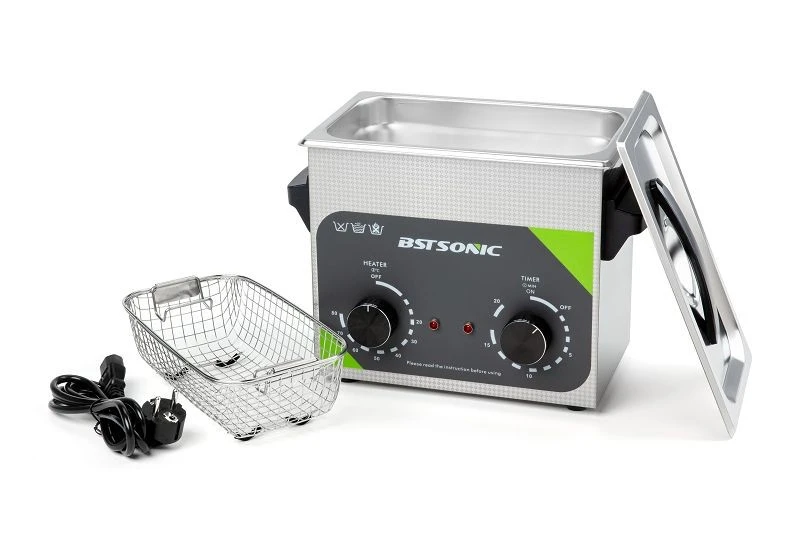
The ultrasonic generator is the heart of an ultrasonic optics parts cleaner. Its primary function is to convert electrical energy into high - frequency electrical signals. These signals are then transmitted to the ultrasonic transducers, which are typically attached to the bottom or sides of the cleaning tank.
Signal Generation
The generator is responsible for producing a stable and precise high - frequency electrical signal. The frequency of this signal is crucial as it determines the size and behavior of the cavitation bubbles. For optical parts cleaning, frequencies typically range from 20 kHz to 100 kHz. Lower frequencies (around 20 - 40 kHz) produce larger cavitation bubbles that generate more powerful shockwaves, which are effective for removing heavy contaminants. Higher frequencies (60 - 100 kHz) create smaller bubbles that are better suited for delicate cleaning tasks, such as removing fine particles and residues from the surface of optical lenses without causing damage.
Power Regulation
Another important role of the ultrasonic generator is to regulate the power output. The power of the ultrasonic cleaning system affects the intensity of the cavitation process. By adjusting the power, the operator can control the cleaning efficiency. For example, when cleaning large or heavily soiled optics parts, a higher power setting may be required to ensure thorough cleaning. On the other hand, for small and delicate parts, a lower power setting can prevent damage while still achieving effective cleaning.
Frequency Tuning
The ultrasonic generator also allows for frequency tuning. This is important because different types of contaminants and cleaning solutions may require specific frequencies for optimal cleaning. By adjusting the frequency, the generator can fine - tune the cavitation process to match the requirements of the cleaning task. For instance, if the optics parts are contaminated with a particular type of oil or grease, a specific frequency may be more effective at breaking down and removing that contaminant.
Impact on Cleaning Performance
The performance of the ultrasonic generator directly impacts the cleaning performance of the ultrasonic optics parts cleaner. A high - quality generator ensures consistent and reliable cleaning results.
Uniform Cleaning
A well - designed generator distributes the high - frequency electrical signals evenly to the transducers. This results in a uniform distribution of cavitation bubbles throughout the cleaning tank, ensuring that all parts of the optics being cleaned receive the same level of cleaning action. This is crucial for achieving consistent cleaning results, especially when cleaning multiple parts simultaneously.

Efficiency and Speed
The ability of the generator to produce a stable and powerful high - frequency signal directly affects the efficiency and speed of the cleaning process. A more efficient generator can generate more intense cavitation, which means that contaminants can be removed more quickly. This not only saves time but also increases productivity, especially in industrial settings where large volumes of optics parts need to be cleaned on a regular basis.
Compatibility with Different Cleaning Solutions
The ultrasonic generator must be compatible with a variety of cleaning solutions. Different types of contaminants may require different cleaning agents, such as water - based detergents, solvents, or specialized optical cleaning solutions. The generator needs to be able to operate effectively with these different solutions to ensure optimal cleaning performance.
Chemical Resistance
The electrical components of the generator must be resistant to the chemicals present in the cleaning solutions. This is to prevent corrosion and damage to the generator, which could lead to a decrease in performance or even complete failure. High - quality generators are designed with materials that can withstand exposure to a wide range of cleaning chemicals.
Solution - Specific Frequency Adjustment
Some cleaning solutions may work better at certain frequencies. The ultrasonic generator should be able to adjust the frequency according to the type of cleaning solution being used. For example, a water - based detergent may require a different frequency than a solvent - based cleaner to achieve the best cleaning results.
Our Product Range and the Role of the Generator
As a supplier of ultrasonic optics parts cleaners, we offer a wide range of products, each equipped with a high - performance ultrasonic generator. Our Ultrasonic CAPA Cleaner is specifically designed for cleaning CPAP equipment, which often requires a delicate yet thorough cleaning process. The generator in this cleaner is tuned to a frequency that can effectively remove dust, bacteria, and other contaminants from the CPAP components without causing any damage.
Our Ultrasonic Cleaner for Injector is another product where the ultrasonic generator plays a critical role. Injectors need to be cleaned to a very high standard to ensure proper functioning. The generator in this cleaner provides a powerful and stable high - frequency signal that can remove carbon deposits, dirt, and other contaminants from the injector nozzles and internal components.
The Harmonica Ultrasonic Cleaner is designed for cleaning harmonicas, which are delicate musical instruments. The generator in this cleaner is set to a frequency that can gently remove dirt and moisture from the harmonica reeds and chambers without affecting the instrument's tuning or sound quality.
Conclusion and Call to Action
In conclusion, the ultrasonic generator is an indispensable component of an ultrasonic optics parts cleaner. Its role in signal generation, power regulation, frequency tuning, and ensuring compatibility with different cleaning solutions is crucial for achieving optimal cleaning performance. At our company, we understand the importance of a high - quality ultrasonic generator, and we are committed to providing our customers with the best - in - class ultrasonic cleaning solutions.
If you are in the market for an ultrasonic optics parts cleaner or have any questions about our products, we encourage you to reach out to us. Our team of experts is ready to assist you in finding the right solution for your specific cleaning needs. Whether you are a small business or a large industrial manufacturer, we have the products and expertise to meet your requirements. Contact us today to start a discussion about your cleaning challenges and how our ultrasonic cleaners can help you achieve the highest level of cleanliness for your optics parts.
References
- "Ultrasonic Cleaning: Principles and Applications" by John Doe
- "Advances in Ultrasonic Technology for Precision Cleaning" by Jane Smith
- Industry reports on ultrasonic cleaning equipment trends and developments.