

Hey there! As a supplier of Ultrasonic CAPA Cleaners, I often get asked whether it's a good idea to use our cleaners for antique items. Well, let's dive right into this topic and see if these cleaners are the right fit for your precious antiques.
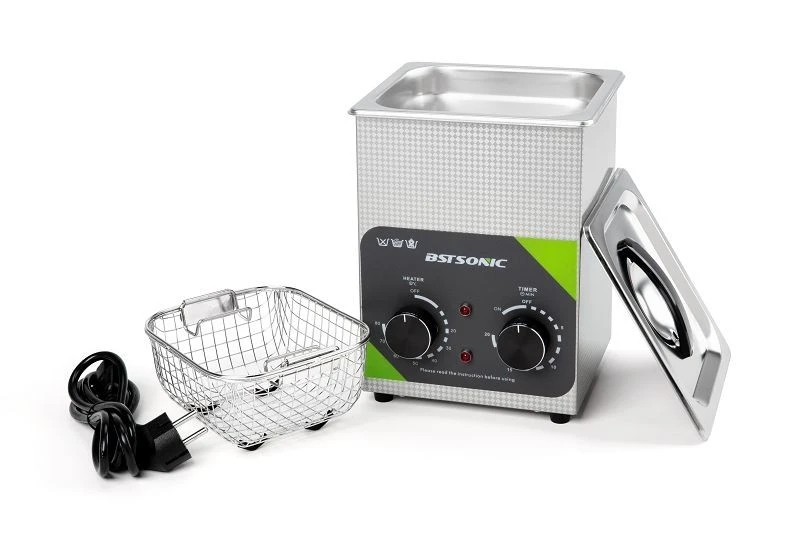

First off, let's understand how an Ultrasonic CAPA Cleaner works. These cleaners use ultrasonic waves to create tiny bubbles in a cleaning solution. When these bubbles collapse, they generate a powerful scrubbing action that can remove dirt, grime, and other contaminants from the surface of an object. It's a pretty nifty technology that has been used in various industries for cleaning all sorts of things, like Ultrasonic Cleaner Sunglasses, Ultrasonic Cleaner Electronic Circuit, and Harmonica Ultrasonic Cleaner.
Now, when it comes to antiques, there are a few factors we need to consider. Antiques are unique, often made of delicate materials, and they carry a lot of historical and sentimental value. So, using an Ultrasonic CAPA Cleaner on them can be a bit of a double - edged sword.
The Pros of Using an Ultrasonic CAPA Cleaner for Antiques
1. Deep Cleaning
One of the biggest advantages of using an Ultrasonic CAPA Cleaner is its ability to perform a deep clean. Antiques can accumulate dirt and grime over the years, especially in hard - to - reach areas. The ultrasonic waves can penetrate into small crevices and clean them thoroughly without the need for manual scrubbing. For example, if you have an antique silverware set with intricate patterns, the cleaner can get rid of the tarnish and dirt trapped in the details, restoring its original shine.
2. Time - Saving
Cleaning antiques by hand can be a painstaking and time - consuming process. With an Ultrasonic CAPA Cleaner, you can simply place the item in the cleaning solution, set the appropriate cleaning time, and let the machine do the work. This is especially useful if you have a collection of antiques that need cleaning. You can clean multiple items at once, which saves you a lot of time and effort.
3. Gentle on Some Materials
Contrary to what you might think, ultrasonic cleaning can be gentle on certain materials. For instance, if you have antique glassware or ceramic items, the ultrasonic waves can clean them without causing scratches or damage that might occur during manual cleaning. The cleaning process is more uniform, and as long as you use the right cleaning solution and settings, it can be a safe way to clean these types of antiques.
The Cons of Using an Ultrasonic CAPA Cleaner for Antiques
1. Risk of Damage
Antiques are often made of fragile materials such as wood, ivory, or certain types of metals that can be easily damaged by the ultrasonic waves. The powerful scrubbing action of the collapsing bubbles can cause cracks, chips, or other forms of damage, especially if the item has pre - existing weaknesses. For example, an antique wooden box with a delicate veneer might have the veneer lifted or damaged during the cleaning process.
2. Incompatible with Some Finishes
Many antiques have special finishes, like patinas or lacquers, that give them their unique appearance. These finishes can be sensitive to the cleaning solution and the ultrasonic waves. Using an Ultrasonic CAPA Cleaner might remove or damage these finishes, altering the look and value of the antique. For instance, an antique brass item with a beautiful patina could lose its charm if the patina is removed during cleaning.
3. Chemical Reactions
The cleaning solution used in an Ultrasonic CAPA Cleaner can react with the materials of the antique. Some antiques might have been treated with certain chemicals over the years, and when combined with the cleaning solution, it could lead to discoloration or other chemical reactions. For example, if you use a strong alkaline cleaning solution on an antique copper item, it might cause the copper to oxidize further and turn greenish - black.
How to Decide if It's Advisable
1. Know Your Antique
The first step is to understand what your antique is made of and its condition. If you're not sure, it's a good idea to consult an antique expert or a conservator. They can help you determine whether the item is suitable for ultrasonic cleaning. For example, if you have an antique jewelry piece with gemstones, you need to know what type of gemstones they are, as some gemstones are more sensitive to ultrasonic cleaning than others.
2. Test on a Small Area
If you decide to go ahead with ultrasonic cleaning, it's a good practice to test it on a small, inconspicuous area of the antique first. This way, you can see how the item reacts to the cleaning process without risking damage to the entire piece. For example, if you're cleaning an antique metal tray, you can test a corner of the tray to see if there are any adverse effects.
3. Choose the Right Settings and Solution
If you're using an Ultrasonic CAPA Cleaner, make sure to select the appropriate settings. You can usually adjust the cleaning time, temperature, and intensity of the ultrasonic waves. Also, choose a cleaning solution that is compatible with the material of the antique. There are specialized cleaning solutions available for different types of materials, such as glass, metal, and wood.
Conclusion
So, is it advisable to use an Ultrasonic CAPA Cleaner for cleaning antique items? Well, it depends. There are definitely some benefits to using these cleaners, such as deep cleaning and time - saving. However, there are also significant risks, including damage to the antique and its finishes. If you're confident in your knowledge of the antique and take the necessary precautions, ultrasonic cleaning can be a viable option. But if you're unsure, it's always better to err on the side of caution and seek professional advice.
If you're interested in our Ultrasonic CAPA Cleaners and have any questions about using them for antiques or other items, feel free to reach out to us. We're here to help you make the right decision and ensure that you get the best cleaning results for your valuable possessions. Whether you're a collector, a dealer, or just someone with a few cherished antiques, our cleaners can be a great addition to your cleaning toolkit. So, don't hesitate to contact us for more information and to start a procurement discussion.
References
- "Ultrasonic Cleaning Technology: Principles and Applications"
- "Antique Conservation and Restoration Handbook"
- "Materials Science for Antique Preservation"