

Is it possible to clean a harmonica with a clogged air passage in an ultrasonic cleaner?
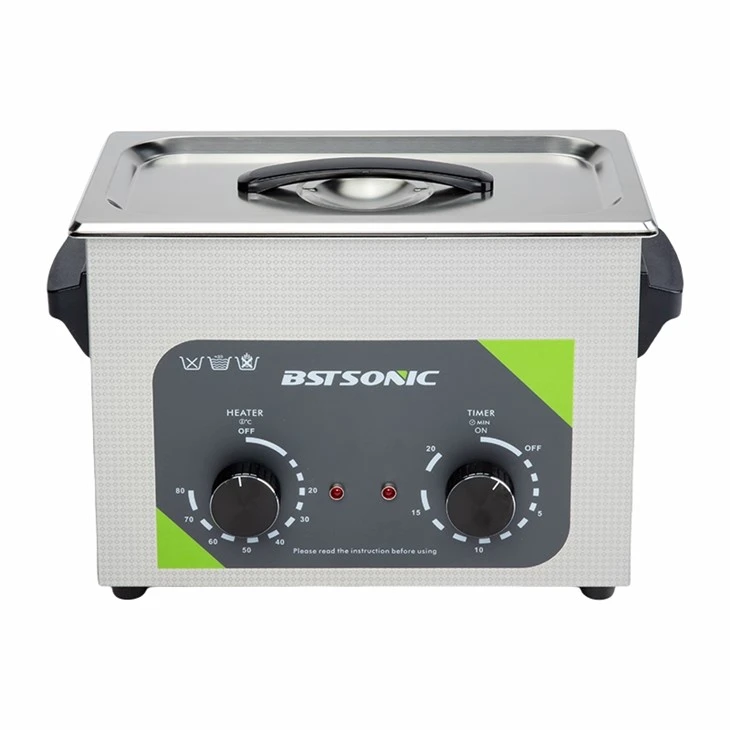

As a supplier of Harmonica Ultrasonic Cleaners, I often encounter inquiries from harmonica enthusiasts and professionals about the viability of using ultrasonic cleaners to address the issue of clogged air passages in harmonicas. In this blog post, I will delve into the science behind ultrasonic cleaning, explore its potential effectiveness for cleaning harmonicas with clogged air passages, and provide some practical insights based on my experience in the industry.
Understanding Ultrasonic Cleaning
Ultrasonic cleaning is a process that utilizes high-frequency sound waves to create microscopic bubbles in a cleaning solution. These bubbles, known as cavitation bubbles, collapse rapidly, generating intense shockwaves that can dislodge dirt, debris, and contaminants from the surface of an object. The process is highly effective for cleaning intricate and hard-to-reach areas, making it a popular choice for cleaning a wide range of items, including jewelry, watches, dental instruments, and electronic components.
The key to the effectiveness of ultrasonic cleaning lies in the frequency and intensity of the sound waves, as well as the properties of the cleaning solution. Different frequencies are suitable for different types of cleaning tasks, and the cleaning solution must be carefully selected to ensure compatibility with the object being cleaned.
Can an Ultrasonic Cleaner Clean a Clogged Harmonica?
The short answer is yes, an ultrasonic cleaner can be an effective tool for cleaning a harmonica with a clogged air passage. Harmonicas are complex instruments with numerous small holes and chambers that can easily become clogged with dirt, saliva, and other debris over time. These clogs can affect the sound quality and performance of the harmonica, making it difficult to play and producing a dull or muffled sound.
When a harmonica is placed in an ultrasonic cleaner filled with a suitable cleaning solution, the cavitation bubbles created by the sound waves can penetrate deep into the air passages and dislodge the dirt and debris that are causing the blockage. The cleaning solution helps to break down the contaminants and prevent them from reattaching to the surface of the harmonica.
However, it is important to note that not all harmonicas are suitable for ultrasonic cleaning. Some harmonicas, particularly those with delicate or sensitive components, may be damaged by the intense vibrations and cavitation bubbles generated by the ultrasonic cleaner. It is essential to check the manufacturer's instructions and recommendations before attempting to clean a harmonica in an ultrasonic cleaner.
Choosing the Right Ultrasonic Cleaner and Cleaning Solution
When selecting an ultrasonic cleaner for cleaning a harmonica, it is important to choose a model that is suitable for the size and type of harmonica you have. Look for a cleaner with adjustable frequency and power settings, as this will allow you to customize the cleaning process to suit the specific needs of your harmonica.
In addition to the ultrasonic cleaner, you will also need to choose a suitable cleaning solution. Avoid using harsh chemicals or abrasive cleaners, as these can damage the harmonica. Instead, opt for a mild, non-toxic cleaning solution that is specifically designed for use with musical instruments. You can also use a mixture of water and a small amount of mild dish soap as a simple and effective cleaning solution.
The Cleaning Process
Before placing the harmonica in the ultrasonic cleaner, it is important to remove any loose dirt or debris from the surface of the instrument. You can do this by gently brushing the harmonica with a soft-bristled brush or blowing through the air passages to dislodge any large particles.
Next, fill the ultrasonic cleaner with the cleaning solution according to the manufacturer's instructions. Make sure the cleaning solution is deep enough to completely submerge the harmonica. Place the harmonica in the cleaner, taking care to ensure that it is fully immersed in the solution and that there are no air pockets trapped inside.
Set the ultrasonic cleaner to the appropriate frequency and power setting for the type of harmonica you are cleaning. The cleaning time will depend on the severity of the clog and the type of harmonica, but it typically ranges from 5 to 15 minutes.
After the cleaning cycle is complete, carefully remove the harmonica from the ultrasonic cleaner and rinse it thoroughly with clean water to remove any remaining cleaning solution. Pat the harmonica dry with a soft cloth and allow it to air dry completely before playing it again.
Other Applications of Ultrasonic Cleaners
In addition to cleaning harmonicas, ultrasonic cleaners have a wide range of other applications. For example, they can be used to clean fishing reels, electronic circuits, and sunglasses. If you are interested in learning more about these applications, you can visit the following links:
- Ultrasonic Cleaner for Fishing Reels
- Ultrasonic Cleaner Electronic Circuit
- Ultrasonic Cleaner Sunglasses
Precautions and Tips
While ultrasonic cleaning can be an effective way to clean a harmonica, it is important to take some precautions to ensure the safety and longevity of your instrument. Here are some tips to keep in mind:
- Read the manufacturer's instructions: Before using an ultrasonic cleaner to clean your harmonica, carefully read the manufacturer's instructions and recommendations. This will help you avoid damaging your harmonica and ensure that you are using the cleaner correctly.
- Test a small area first: If you are unsure whether your harmonica is suitable for ultrasonic cleaning, it is a good idea to test a small, inconspicuous area first. This will allow you to assess the effects of the cleaning process on the harmonica and make any necessary adjustments.
- Use a suitable cleaning solution: As mentioned earlier, it is important to use a mild, non-toxic cleaning solution that is specifically designed for use with musical instruments. Avoid using harsh chemicals or abrasive cleaners, as these can damage the harmonica.
- Rinse thoroughly: After cleaning the harmonica in the ultrasonic cleaner, make sure to rinse it thoroughly with clean water to remove any remaining cleaning solution. Residual cleaning solution can damage the harmonica over time.
- Dry completely: Before playing the harmonica again, make sure it is completely dry. Moisture can cause rust and other damage to the harmonica.
Conclusion
In conclusion, an ultrasonic cleaner can be an effective tool for cleaning a harmonica with a clogged air passage. However, it is important to choose the right ultrasonic cleaner and cleaning solution, follow the manufacturer's instructions, and take the necessary precautions to ensure the safety and longevity of your instrument.
If you are a harmonica player or a music enthusiast looking for a reliable and effective way to clean your harmonica, I encourage you to consider using an ultrasonic cleaner. As a supplier of Harmonica Ultrasonic Cleaners, I am committed to providing high-quality products and excellent customer service. If you have any questions or would like to discuss your cleaning needs, please feel free to contact me. I look forward to helping you keep your harmonica in top condition.
References
- "Ultrasonic Cleaning: Principles and Applications." Industrial Cleaning Handbook, edited by Steven P. Scherge and Paul W. Schmidt, CRC Press, 2002.
- "The Science of Ultrasonic Cleaning." American Laboratory, vol. 32, no. 11, 2000, pp. 26-30.
- "Cleaning and Maintenance of Harmonicas." Harmonica World Magazine, vol. 15, no. 3, 2018, pp. 42-45.