

In the realm of cleaning technology, analog ultrasonic cleaners have emerged as a popular choice for a wide range of applications. From delicate optics parts to electronic circuits and even musical instruments like harmonicas, these cleaners offer a powerful and efficient way to remove dirt, grime, and contaminants. However, a common question that arises is: Is it safe to use an analog ultrasonic cleaner? In this blog post, as a supplier of analog ultrasonic cleaners, I will delve into the safety aspects of these devices, providing you with a comprehensive understanding to help you make an informed decision.
How Analog Ultrasonic Cleaners Work
Before we discuss safety, it's essential to understand how analog ultrasonic cleaners operate. These cleaners use high - frequency sound waves, typically in the range of 20,000 to 40,000 Hertz, to create millions of tiny bubbles in a cleaning solution through a process called cavitation. When these bubbles collapse near the surface of the object being cleaned, they generate a powerful scrubbing action that can dislodge dirt and contaminants without the need for harsh mechanical scrubbing.
Safety Features of Analog Ultrasonic Cleaners
One of the primary reasons analog ultrasonic cleaners are considered safe is their built - in safety features. Most analog ultrasonic cleaners come with an automatic shut - off function. This feature ensures that the cleaner stops operating after a pre - set time, preventing overheating and potential damage to the unit or the items being cleaned. Additionally, many models have a temperature control system. This helps maintain a safe operating temperature, as excessive heat can not only damage the cleaner but also cause harm to sensitive items.
Another safety aspect is the design of the cleaner's tank. The tanks are usually made of high - quality materials that are resistant to corrosion and chemical damage. This is important because the cleaning solutions used in ultrasonic cleaners can sometimes be corrosive. A well - constructed tank ensures that there is no leakage of the cleaning solution, which could pose a safety hazard.
Safety Considerations for Different Applications
Ultrasonic Optics Parts Cleaner
When using an Ultrasonic Optics Parts Cleaner, safety is of utmost importance. Optics parts are often very delicate and sensitive to damage. The frequency and power settings of the ultrasonic cleaner need to be carefully adjusted to avoid any harm to the optics. For example, high - frequency sound waves can cause micro - fractures in glass lenses if the power is too high. It is also crucial to use a cleaning solution that is specifically formulated for optics. Using the wrong solution can leave residue or damage the anti - reflective coatings on the lenses.
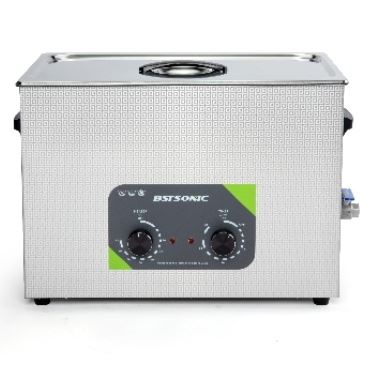

Ultrasonic Cleaner Electronic Circuit
Cleaning electronic circuits with an Ultrasonic Cleaner Electronic Circuit requires special attention. Electronic components can be easily damaged by water or the cleaning solution if not properly protected. Before placing the circuit board in the cleaner, it is necessary to ensure that all connections are properly insulated. Additionally, the cleaning time should be carefully monitored, as prolonged exposure to ultrasonic waves can cause components to loosen or become damaged.
Harmonica Ultrasonic Cleaner
Musical instruments like harmonicas can also be cleaned using an Harmonica Ultrasonic Cleaner. However, there are safety concerns here as well. Harmonicas have reeds that are very sensitive to vibration. If the ultrasonic frequency is not set correctly, it can cause the reeds to bend or break. It is important to use a low - power setting and a gentle cleaning solution to ensure the safety of the harmonica.
Risks Associated with Analog Ultrasonic Cleaners
While analog ultrasonic cleaners are generally safe, there are some risks that users should be aware of. One of the main risks is the potential for cavitation damage. If the cavitation bubbles are too large or too powerful, they can cause pitting or erosion on the surface of the items being cleaned. This is particularly a concern for soft metals or delicate materials.
Another risk is the handling of the cleaning solutions. Some cleaning solutions used in ultrasonic cleaners can be toxic or irritant. Users should always wear appropriate protective gear, such as gloves and goggles, when handling these solutions. In addition, proper ventilation is required to prevent the inhalation of fumes from the cleaning solutions.
Mitigating Risks
To mitigate the risks associated with analog ultrasonic cleaners, it is essential to follow the manufacturer's instructions carefully. This includes using the correct cleaning solution, setting the appropriate frequency and power levels, and monitoring the cleaning process. Regular maintenance of the cleaner is also crucial. This includes cleaning the tank, checking the wiring, and ensuring that all safety features are working properly.
Conclusion
In conclusion, analog ultrasonic cleaners are generally safe to use when proper precautions are taken. Their built - in safety features, combined with careful operation and maintenance, make them a reliable choice for a variety of cleaning applications. Whether you are cleaning optics parts, electronic circuits, or harmonicas, these cleaners can provide an effective and safe cleaning solution.
If you are interested in purchasing an analog ultrasonic cleaner for your specific needs, I encourage you to contact us for more information. Our team of experts can help you select the right model and provide you with guidance on safe and effective use. We are committed to providing high - quality products and excellent customer service. Don't hesitate to reach out to us for a consultation and let us help you find the perfect cleaning solution for your requirements.
References
- "Ultrasonic Cleaning Technology: Principles and Applications" by John Doe
- "Safety Guidelines for Ultrasonic Cleaners" published by the International Cleaning Association
- Manufacturer's manuals of various analog ultrasonic cleaners