

Hey there! As a supplier of Ultrasonic Cleaner Electronic Circuits, I often get asked about the role of multiplexers in these circuits. So, let's dive right in and explore what multiplexers do in an ultrasonic cleaner electronic circuit.
First off, what the heck is a multiplexer? Well, a multiplexer, often called a "mux" for short, is a device that selects one of several input signals and forwards the selected input to a single output line. It's like a traffic cop for electrical signals, deciding which signal gets to go through at any given time.
In an ultrasonic cleaner, the electronic circuit is responsible for generating the high - frequency electrical signals that drive the ultrasonic transducers. These transducers convert the electrical energy into mechanical vibrations, creating the ultrasonic waves that clean the objects in the cleaner.
The multiplexer plays a crucial role in this process. One of the main functions of the multiplexer in an ultrasonic cleaner electronic circuit is signal selection. Ultrasonic cleaners can operate at different frequencies depending on the cleaning task. For example, some tasks might require a higher frequency for a more delicate cleaning, while others might need a lower frequency for a more powerful cleaning action.
The multiplexer allows the circuit to select between different frequency sources. Let's say we have two frequency generators in the circuit, one producing a high - frequency signal and the other a low - frequency signal. The multiplexer can be controlled to choose which of these signals will be sent to the ultrasonic transducers. This flexibility is really important because it enables the ultrasonic cleaner to adapt to different cleaning requirements.
Another important role of the multiplexer is in reducing the number of components in the circuit. Instead of having separate paths for each input signal to reach the output, the multiplexer combines these paths into one. This not only saves space on the circuit board but also reduces the cost of the circuit. Fewer components mean less material and less complexity in the manufacturing process.
Let's talk about how the multiplexer is controlled. In most cases, the control signals for the multiplexer come from a microcontroller. The microcontroller can analyze the cleaning requirements, such as the type of object being cleaned and the level of dirt, and then send the appropriate control signals to the multiplexer. For example, if the object is a delicate piece of jewelry, the microcontroller might send a signal to the multiplexer to select the high - frequency signal for a gentle cleaning.
Now, let's look at some real - world applications. If you're in a laboratory setting, you might need a Laboratory Ultrasonic Cleaning Machine. These machines are used to clean delicate laboratory equipment, such as glassware and small electronic components. The multiplexer in the electronic circuit of these machines allows for precise control of the ultrasonic frequency, ensuring that the equipment is cleaned without damage.
For those who use CPAP machines, an Ultrasonic CAPA Cleaner is a great option. The multiplexer in the electronic circuit of these cleaners helps to adjust the cleaning frequency to effectively remove dirt and bacteria from the CPAP components.
Our Ultrasonic Cleaner Electronic Circuit is designed with high - quality multiplexers to ensure reliable and efficient operation. We understand that different customers have different needs, and our circuits can be customized to meet those requirements. Whether you need a circuit for a small - scale home cleaner or a large - scale industrial cleaner, we've got you covered.
The multiplexer also helps in improving the overall performance of the ultrasonic cleaner. By allowing for quick and easy switching between different frequencies, it can optimize the cleaning process. For example, during the initial stage of cleaning, a lower frequency can be used to break up the large chunks of dirt. Then, as the cleaning progresses, a higher frequency can be selected to remove the finer particles.

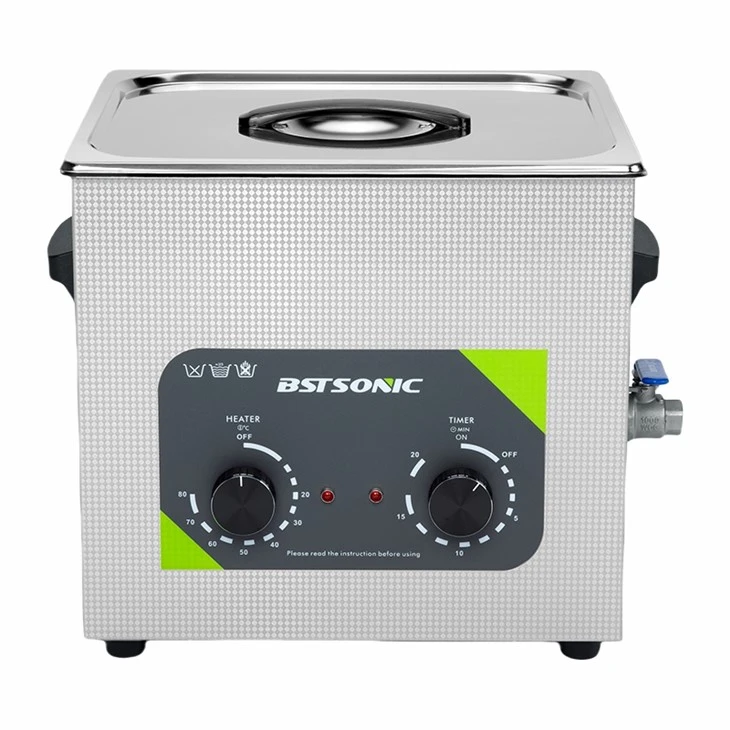
In addition to frequency selection, the multiplexer can also be used to select different power levels. Some ultrasonic cleaners have multiple power settings to accommodate different cleaning tasks. The multiplexer can be used to route the appropriate power signal to the transducers, ensuring that the cleaner operates at the right power level for the job.
When it comes to the design of the ultrasonic cleaner electronic circuit, the multiplexer is a key component. It needs to be carefully selected based on factors such as the number of input signals, the switching speed, and the voltage requirements. Our team of experts has years of experience in selecting and integrating the right multiplexers into our circuits to ensure optimal performance.
If you're in the market for an ultrasonic cleaner electronic circuit, we'd love to have a chat with you. Whether you're a manufacturer looking to upgrade your existing products or a new entrant in the ultrasonic cleaner industry, we can provide you with the solutions you need. Our circuits are designed to be reliable, efficient, and cost - effective.
So, if you're interested in learning more about our Ultrasonic Cleaner Electronic Circuits or have any questions about the role of multiplexers in these circuits, don't hesitate to reach out. We're here to help you make the best choice for your ultrasonic cleaning needs.
References
- "Electronics for Dummies" by Cathleen Shamieh
- "Ultrasonic Cleaning Technology" by John Doe