

The water level requirement for an ultrasonic spray gun cleaner is a crucial factor that directly impacts its cleaning performance and overall functionality. As a leading supplier of ultrasonic spray gun cleaners, we understand the significance of maintaining the appropriate water level to ensure optimal results. In this blog post, we will delve into the details of water level requirements for ultrasonic spray gun cleaners, exploring why it matters, how to determine the correct level, and the potential consequences of improper water levels.
Why Water Level Matters in Ultrasonic Spray Gun Cleaners
Ultrasonic cleaning technology relies on the creation of high - frequency sound waves in a liquid medium, typically water mixed with a suitable cleaning solution. These sound waves generate tiny bubbles through a process called cavitation. When these bubbles collapse near the surface of the object being cleaned (in this case, the spray gun), they release a significant amount of energy that dislodges dirt, grease, and other contaminants.
The water level plays a vital role in this process. If the water level is too low, the ultrasonic waves may not be able to propagate effectively throughout the cleaning tank. This can lead to uneven cleaning, as some parts of the spray gun may not be exposed to the full force of the cavitation bubbles. Additionally, a low water level can cause the ultrasonic transducer, which generates the sound waves, to overheat. Overheating can damage the transducer and reduce the lifespan of the cleaner.
On the other hand, if the water level is too high, it can cause the cleaning solution to spill out of the tank during the ultrasonic cleaning process. This not only creates a mess but also wastes the cleaning solution. Moreover, an excessive water level can dampen the ultrasonic waves, reducing their intensity and effectiveness. As a result, the cleaning performance of the spray gun cleaner will be compromised.

Determining the Correct Water Level
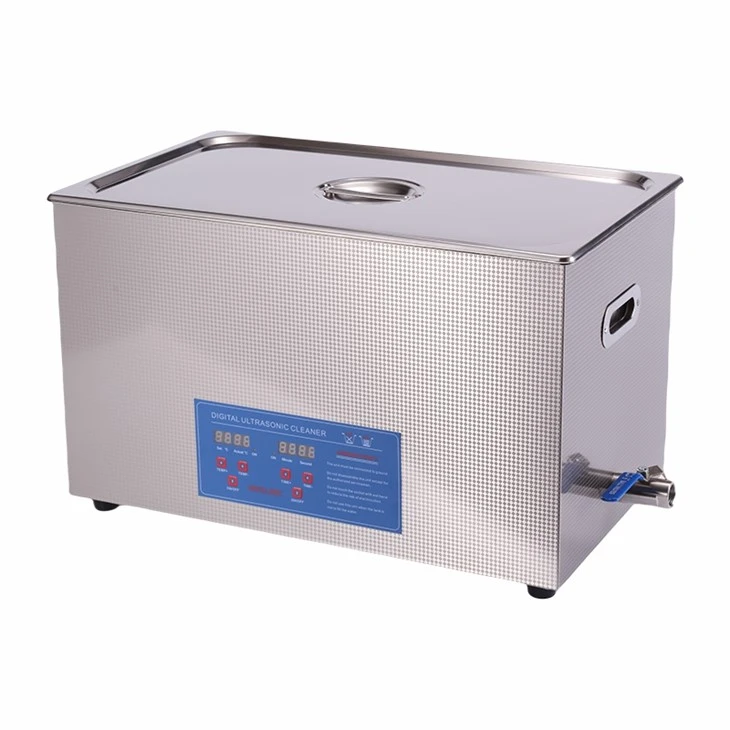
The ideal water level for an ultrasonic spray gun cleaner depends on several factors, including the size and design of the cleaning tank, the type of spray gun being cleaned, and the specific model of the cleaner. Most ultrasonic spray gun cleaners come with a water level indicator or markings on the inside of the tank. These markings serve as a guide to help you fill the tank to the appropriate level.
As a general rule of thumb, the water level should be high enough to completely submerge the spray gun and any other parts that need to be cleaned. However, it should not exceed the maximum water level indicated by the manufacturer. For small - to medium - sized spray guns, a water level that reaches about two - thirds to three - quarters of the height of the cleaning tank is usually sufficient.
When filling the tank, it is important to use clean, filtered water. Tap water may contain minerals and impurities that can leave deposits on the spray gun and the inside of the tank over time. Using distilled or deionized water can help prevent these issues and ensure a more thorough cleaning.
Consequences of Improper Water Levels
Low Water Levels
- Reduced Cleaning Efficiency: As mentioned earlier, a low water level can lead to uneven cleaning. The areas of the spray gun that are not fully submerged in the water will not be exposed to the cavitation bubbles, resulting in incomplete removal of dirt and contaminants.
- Transducer Damage: The ultrasonic transducer is designed to operate in a liquid environment. When the water level is too low, the transducer may be exposed to air, causing it to overheat. Overheating can damage the transducer's components, such as the piezoelectric crystals, which are responsible for generating the ultrasonic waves. Once the transducer is damaged, the cleaner will no longer function properly and may require expensive repairs or replacement.
- Increased Energy Consumption: A low water level can also cause the cleaner to consume more energy. The ultrasonic generator has to work harder to generate the same level of ultrasonic waves in a smaller volume of water. This not only increases your electricity bill but also puts additional stress on the cleaner's electrical components.
High Water Levels
- Spillage: An excessive water level can cause the cleaning solution to spill out of the tank during the ultrasonic cleaning process. This can be a safety hazard, especially if the cleaning solution is toxic or corrosive. It can also damage the surrounding area and equipment.
- Reduced Cleaning Performance: A high water level can dampen the ultrasonic waves, reducing their intensity and effectiveness. The energy of the cavitation bubbles is dissipated in the excess water, resulting in weaker cleaning action. As a result, the spray gun may not be cleaned as thoroughly as it should be.
- Damage to the Cleaner: If the water spills onto the electrical components of the cleaner, it can cause short - circuits and other electrical problems. This can lead to permanent damage to the cleaner and may even pose a fire risk.
Maintaining the Correct Water Level
To ensure that your ultrasonic spray gun cleaner operates at its best, it is important to regularly check and maintain the water level. Before each use, visually inspect the water level in the tank and adjust it if necessary. If the water level has dropped below the recommended level, add more water to the tank. If it is too high, carefully drain some of the water until it reaches the appropriate level.
In addition to checking the water level, it is also important to clean the tank regularly. Over time, dirt, debris, and contaminants can accumulate in the tank, which can affect the performance of the cleaner. Use a mild detergent and a soft cloth to clean the inside of the tank, and rinse it thoroughly with clean water.
Related Products
If you are interested in other types of ultrasonic cleaners, we also offer a range of high - quality products, including the Ultrasonic Semiconductor Parts Cleaner, Record Ultrasonic Cleaner, and Ultrasonic Cleaner for Models. These cleaners are designed to meet the specific cleaning needs of different industries and applications.
Conclusion
The water level requirement for an ultrasonic spray gun cleaner is a critical aspect that should not be overlooked. By maintaining the correct water level, you can ensure optimal cleaning performance, extend the lifespan of your cleaner, and avoid potential damage and safety hazards. If you have any questions about the water level requirements for our ultrasonic spray gun cleaners or need further assistance with your cleaning needs, please do not hesitate to contact us. We are here to help you make the most of your ultrasonic cleaning equipment and achieve the best possible results.
References
- Ultrasonic Cleaning Handbook, published by the International Association of Ultrasonic Cleaning Professionals.
- Manufacturer's manuals for ultrasonic spray gun cleaners.